The Rise of Hollywood
Origins of Hollywood
The Trust That Pushed Hollywood West
Before Hollywood was Hollywood, the American film industry was centered on the East Coast, primarily in New Jersey and New York. Thomas Edison, a key inventor of motion picture technology, was the industry's dominant force. To control it, he formed the Motion Picture Patents Company (MPPC), often called the Edison Trust.
The MPPC was a powerful cartel. It owned the patents for nearly all filmmaking equipment, from cameras to projectors. If you wanted to make a movie, you had to pay the Trust. They dictated who could make films, what kind of films they could make, and where they could be shown. Independent filmmakers who defied the Trust were met with lawsuits and sometimes even physical intimidation to destroy their equipment.
This monopolistic environment pushed many ambitious producers and directors westward, seeking refuge from legal battles and a more conducive environment for their creative endeavors.
This tight grip created a powerful incentive for filmmakers to find a new home, one far from Edison's reach.
Go West, Young Filmmaker
Filmmakers began looking for a place to escape the MPPC's legal arm. Southern California emerged as the perfect destination. It was far from the East Coast, making it difficult for the Trust to enforce its patents. If MPPC agents showed up, crews could quickly pack up and cross the border into Mexico.
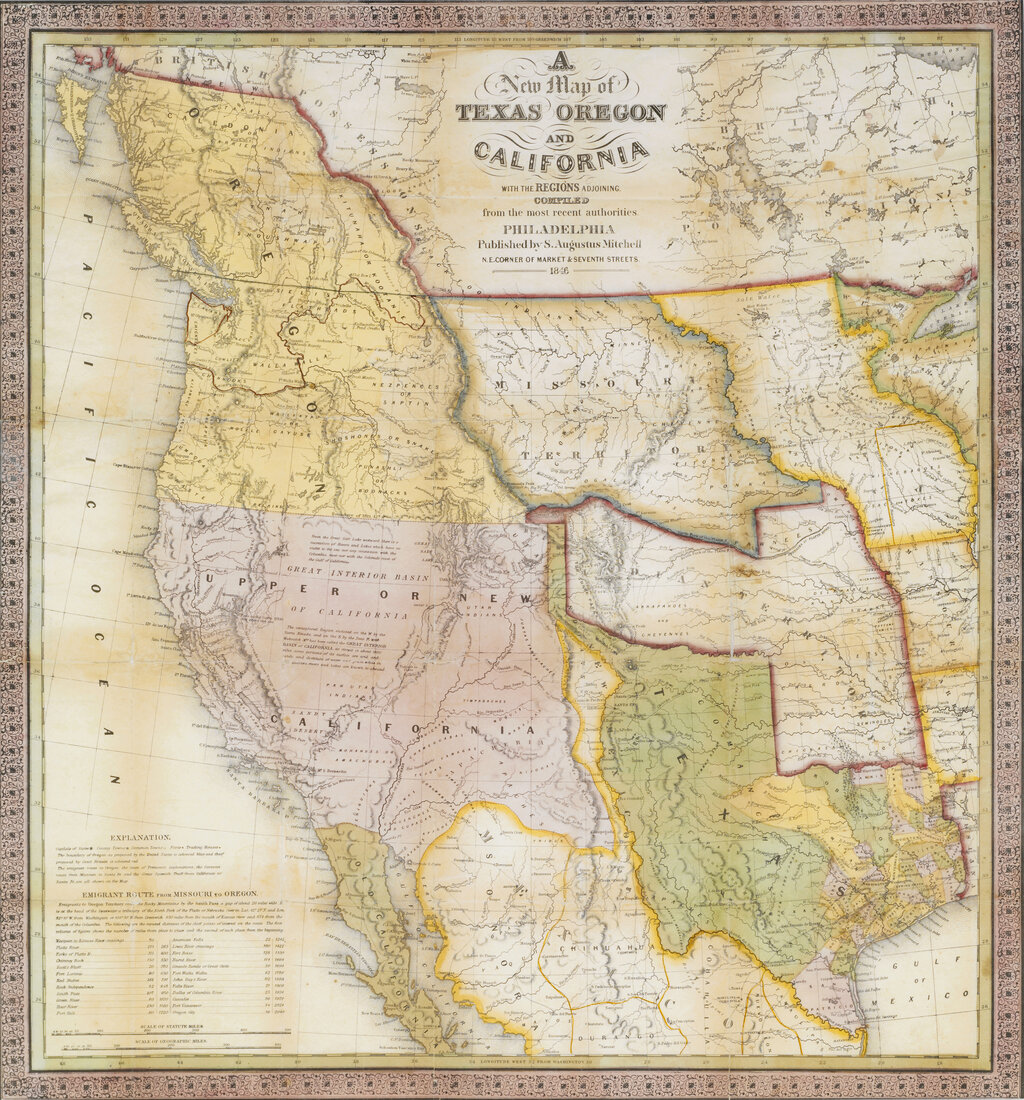
But distance wasn't the only advantage. The weather in Southern California was a filmmaker's dream. Unlike the unpredictable seasons of the East Coast, the region offered year-round sunshine, allowing for consistent outdoor shooting. Early films relied heavily on natural light, making this a massive logistical and financial benefit.
The landscape itself was like a giant, free backlot. Within a short drive, you could find snowy mountains, vast deserts, dense forests, and the Pacific Ocean. This incredible variety allowed filmmakers to create any world they imagined without having to travel far.
Building a Dream Factory
In the early 1900s, Hollywood was a small, quiet agricultural community. That all changed in 1911 when the Nestor Film Company from New Jersey set up the first permanent film studio in an old tavern. Word spread quickly about the area's benefits.
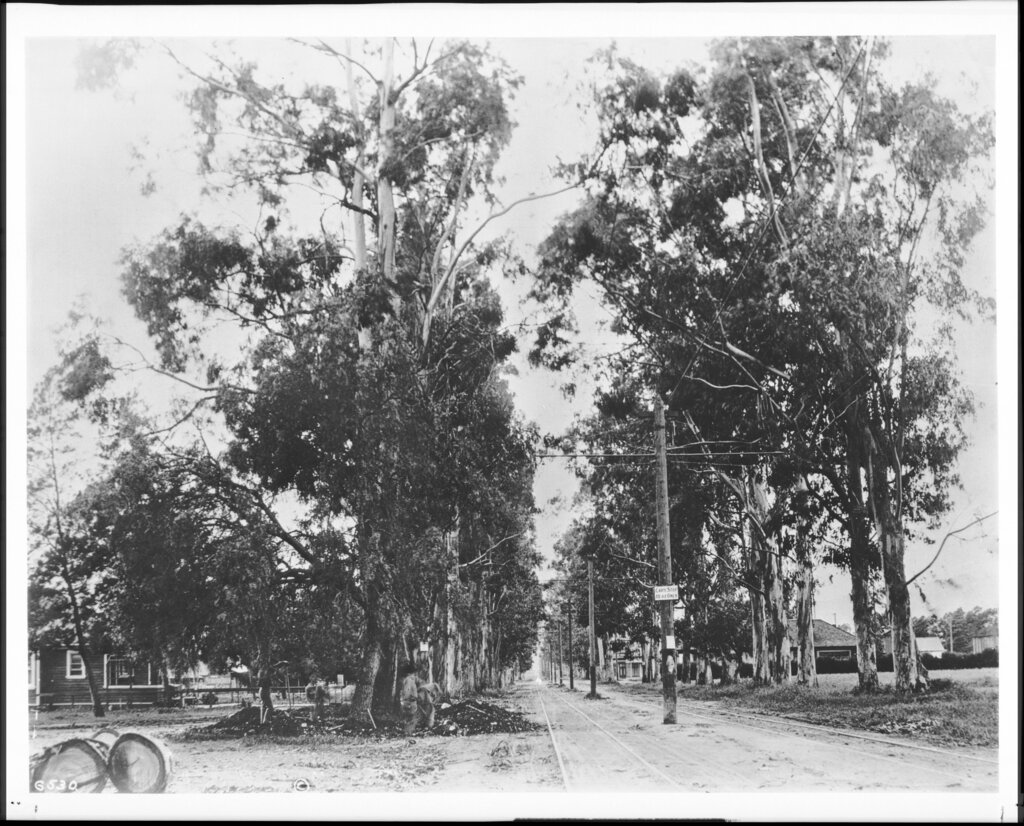
Soon, other independent filmmakers flocked to the area. Companies like Universal, Paramount, and Fox all have their roots in this westward migration. They bought up land and built larger, more sophisticated studios, transforming the orange groves into the foundation of a global entertainment capital.
One of the first films shot in Hollywood was D.W. Griffith's In Old California in 1910. Though a short melodrama, it was a sign of things to come. The productions that followed grew in scale and ambition, cementing Hollywood's reputation as the new center of the movie world.
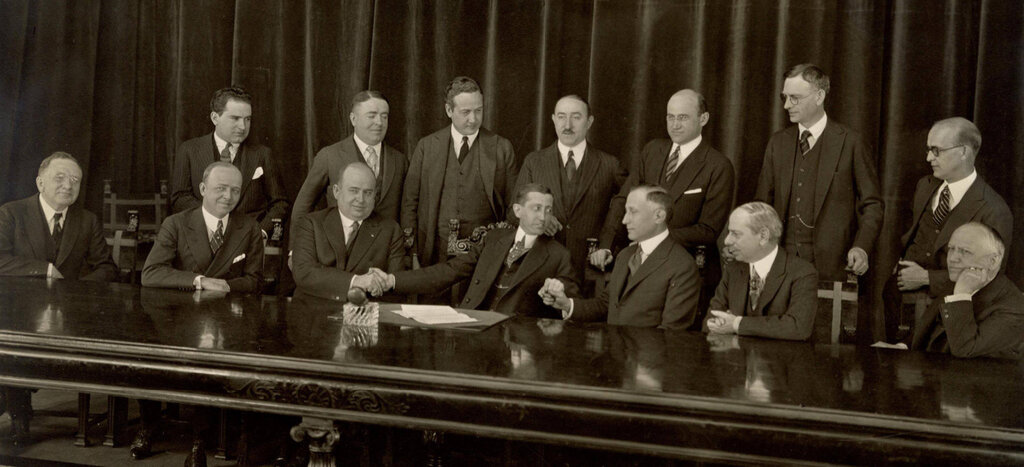
By the 1920s, the industry was firmly established. The major players organized themselves to manage production and distribution, setting the stage for Hollywood's Golden Age.
Let's check what you've learned.
What was the primary motivation for early independent filmmakers to relocate from the East Coast to Southern California?
Besides the distance from the East Coast, which two factors made Southern California particularly attractive for early filmmaking?
The move to Hollywood wasn't just a change of scenery. It was a rebellion against control that ultimately shaped the future of cinema.