The Rise of Hizru Boys in India
Introduction to 'Hizru Boys' Phenomenon
The Rise of the 'Hizru Boys'
In recent years, a new social phenomenon has captured attention across India, particularly in urban and semi-urban areas. The term 'Hizru boys' has emerged to describe a specific group of young men, typically in their late teens and early twenties. The name itself is a colloquial blend, but it points to a distinct identity shaped by modern aspirations and traditional backgrounds.
So, what defines a 'Hizru boy'? While there's no strict checklist, the label generally refers to young men who are often the first in their families to pursue higher education or white-collar jobs. They are navigating a world vastly different from that of their parents, balancing the pressures of academic performance, career ambitions, and a new kind of social life influenced by globalization and the internet.
This group is characterized by its ambition and its struggle to bridge two worlds: the traditional values of their upbringing and the fast-paced, competitive environment of modern India.
Origins and Context
The emergence of the 'Hizru boys' isn't sudden. It's rooted in decades of economic liberalization and educational expansion in India. As opportunities grew, so did the aspirations of millions of families from smaller towns and rural areas. They invested heavily in their sons' education, hoping to secure a foothold in the new economy. This created a generation of young men who moved to cities for school and work, becoming pioneers for their families.
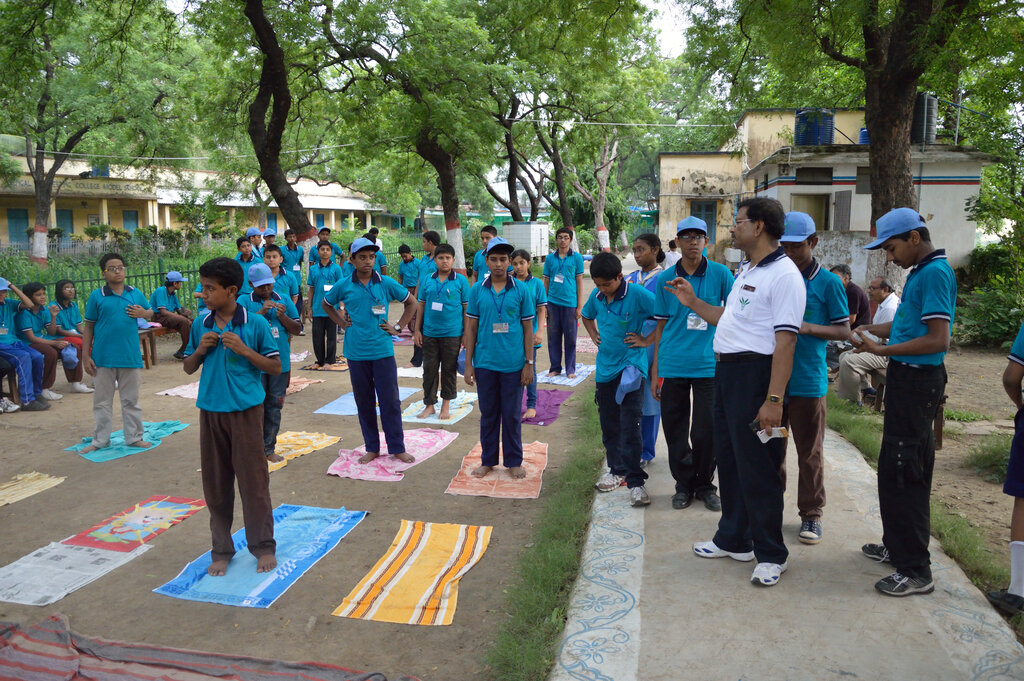
This migration, both physical and cultural, is central to their identity. They often find themselves in environments where the social norms, language, and expectations are unfamiliar. This experience of being an 'outsider' trying to fit in, while also holding onto their roots, is a key part of the 'Hizru boy' story.
Initial Reactions
When the term first began circulating, public and media reactions were mixed. Some early portrayals were dismissive, painting the 'Hizru boys' as awkward or out of place in cosmopolitan settings. They were often characterized by their accents, fashion choices, or unfamiliarity with urban social etiquette. These depictions focused on the surface-level aspects of their cultural dislocation.
However, other observers saw a more complex and compelling story. They highlighted the group's resilience, hard work, and determination. To them, the 'Hizru boys' represented the dynamic and evolving nature of Indian society. They were not just a subject of curiosity but a significant demographic shift, embodying the hopes and challenges of a nation in transition. This more nuanced view recognized their crucial role in shaping India's future.