The Rise of Eukaryotic Cells Through Endosymbiosis
Introduction to Symbiosis
Life Together
No organism is an island. In nature, different species constantly interact. They compete for food, hunt each other, or sometimes, form incredibly close, long-term relationships. This intimate living arrangement between two different species is called symbiosis.
symbiosis
noun
A close and long-term interaction between two different biological species. The nature of the interaction can vary.
Think of it like having a roommate. Some roommates are great and help with chores. Others are neutral; they just exist in the same space without causing problems. And some are terrible—they eat your food and never clean up. Symbiotic relationships fall into similar categories, based on who benefits and who doesn't.
Mutualism: A Win-Win
The best-case scenario in symbiosis is mutualism, where both partners get something valuable out of the deal. It's a relationship of cooperation that helps both species thrive in ways they couldn't on their own.
A classic example is the partnership between bees and flowers. Bees fly from flower to flower to collect nectar, a sugary liquid they use for food. As they do, pollen from the flower sticks to their fuzzy bodies. When the bee visits the next flower, some of that pollen rubs off, pollinating the plant so it can reproduce. The bee gets a meal, and the flower gets to make seeds. Both win.
Another great example is the relationship between clownfish and sea anemones. The anemone's stinging tentacles provide the clownfish with a safe home, protecting it from predators. In return, the clownfish cleans the anemone and might even lure in other fish for the anemone to eat.
Even you are in a mutualistic relationship. Your intestines are home to trillions of bacteria that help you digest food and produce essential vitamins. In exchange, you provide them with a warm, nutrient-rich place to live.
Commensalism: One-Sided Benefits
Sometimes, one organism benefits while the other isn't really affected one way or the other. This is commensalism. It’s a one-sided benefit, but without any cost to the other party.
Imagine a barnacle attached to the skin of a whale. The barnacle is a filter feeder, and by hitching a ride on the whale, it gets transported through vast areas of the ocean, encountering more food than it would if it were stuck in one place. The whale, being enormous, doesn't even notice the tiny barnacle. The barnacle benefits, and the whale is unharmed and unbothered.
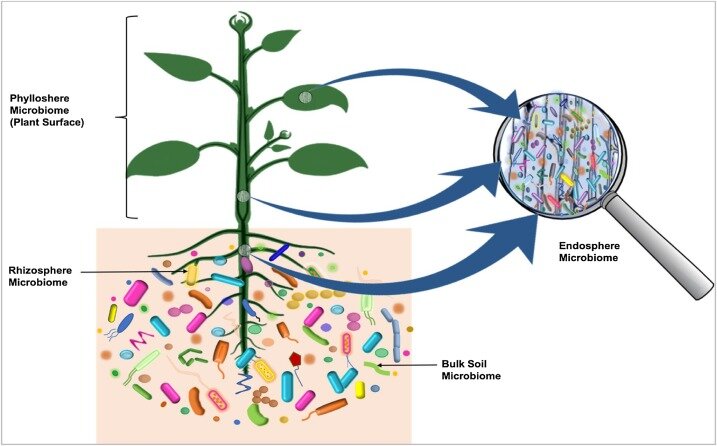
Another example is certain orchids that grow on the branches of tall trees in dense rainforests. This perch high up allows the orchid to get the sunlight it needs to survive, which it wouldn't get on the dark forest floor. The tree is simply a place to live and is not harmed by the orchid's presence.
Parasitism: A Raw Deal
Parasitism is the dark side of symbiosis. In this relationship, one organism, the parasite, benefits by harming the other, the host. The parasite lives on or inside the host, feeding on its nutrients and often causing illness or weakness.
Fleas on a dog are a textbook example. The fleas feed on the dog's blood for nourishment, which can cause the dog discomfort, itchiness, and even disease. The flea benefits at the direct expense of the dog.
Similarly, a tapeworm living in the intestines of an animal is a parasite. It absorbs nutrients directly from the host's digested food, robbing the host of nutrition and potentially causing digestive issues and weight loss.
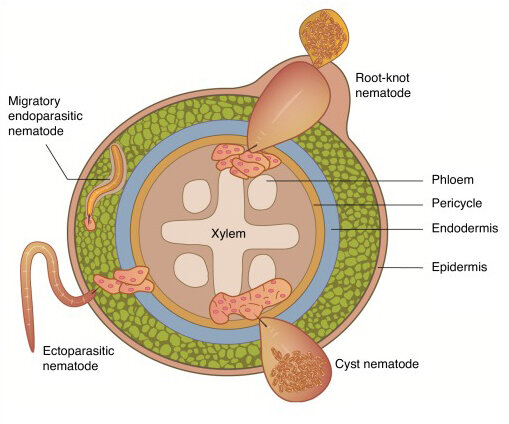
These different forms of symbiosis show just how interconnected life is. From mutually beneficial partnerships to one-sided exploitation, these close relationships have shaped the evolution of countless species on Earth.
Which of the following best defines symbiosis?
A barnacle attaches itself to a whale. The barnacle gets to travel through nutrient-rich waters, while the massive whale is not affected. This is an example of ______.