The Rise of American Hegemony and the Dollar
Origins of the U.S. Dollar
From Spanish Silver to American Money
Before the United States was a country, its colonies were a patchwork of different economies. People used a mix of foreign money to buy and sell goods, but one coin was king: the Spanish dollar. Minted in Spain's vast American colonies, these silver coins were known for their consistent weight and purity, making them the most trusted currency in circulation.
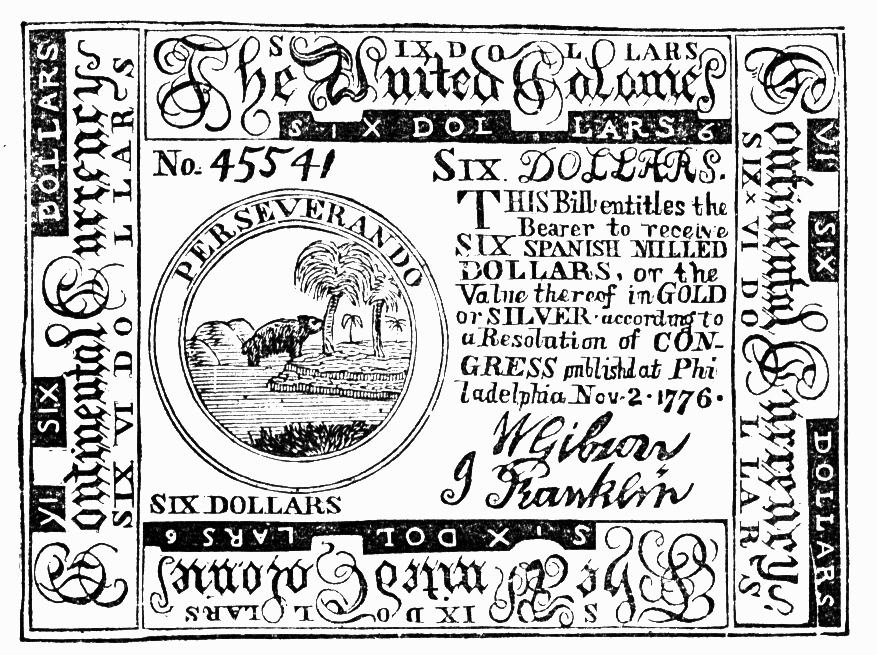
These coins were so common they were often called “pieces of eight” because they could be physically cut into eight wedge-shaped pieces, or “bits,” to make change. This practice is why a quarter is sometimes called “two bits.” When the newly formed United States decided to create its own currency, it looked to the familiar and reliable Spanish dollar as a model.
A New Nation, A New Dollar
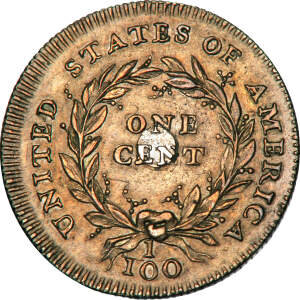
After the Revolutionary War, the young nation needed a unified currency to stabilize its economy and assert its independence. The answer came with the Coinage Act of 1792. This landmark legislation officially established the U.S. dollar as the country's standard unit of money and created the United States Mint in Philadelphia to produce it.
The Coinage Act of 1792 was more than just a law about money; it was a declaration of economic independence.
The Act defined the dollar's value in terms of both silver and gold, establishing what is known as a bimetallic standard. A U.S. dollar was defined as being worth 371.25 grains of pure silver or 24.75 grains of pure gold. This set a fixed exchange rate between the two precious metals: 15 units of silver were equal to 1 unit of gold. The Mint was authorized to produce a range of coins, from copper half-cents to ten-dollar gold eagles, all based on this standard.
Adopting the Gold Standard
For much of the 19th century, the bimetallic system faced challenges. The market prices of gold and silver often shifted, making the fixed 15-to-1 ratio difficult to maintain. If gold became more valuable on the open market, people would hoard gold coins and spend silver ones. If silver became more valuable, the opposite would happen. This instability led to calls for a simpler, more predictable system.
The gold standard emerged in the 19th century, linking national currencies to a specific amount of gold.
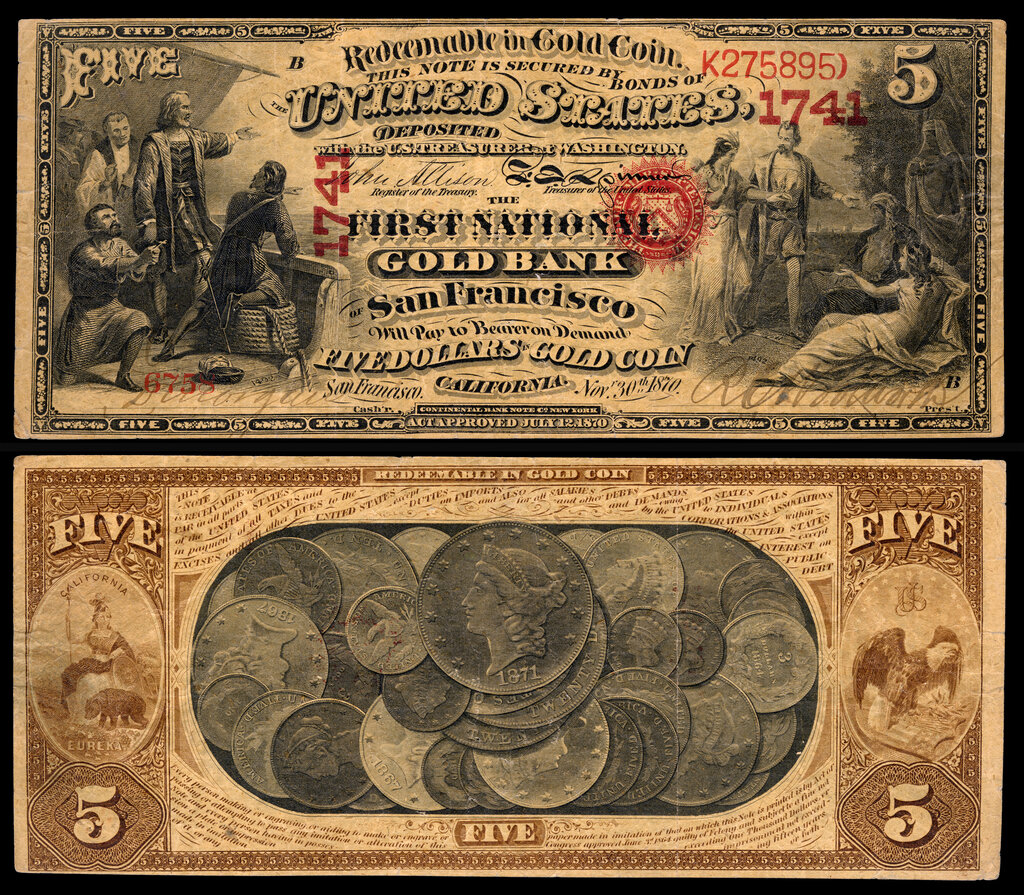
By the late 1800s, the U.S. began to move away from bimetallism and unofficially favor gold. This shift culminated in the Gold Standard Act of 1900. The law formally ended the bimetallic standard and defined the dollar solely in terms of gold. Now, paper money could be redeemed for a set amount of gold from the U.S. Treasury, giving the currency a tangible backing that inspired confidence at home and abroad. This decision would shape the dollar's role in the global economy for decades to come.
Now, let's test your knowledge on the early history of the U.S. dollar.
Before the creation of the U.S. Mint, what was the most widely trusted currency in the American colonies?
The Coinage Act of 1792 established a bimetallic standard, which meant the U.S. dollar's value was based on a fixed ratio of gold and silver.
That covers the essential origins of the U.S. dollar, from its inspiration to its official establishment and initial backing by gold.