The Rise of 3PL
Introduction to 3PL
What is Third-Party Logistics?
Imagine you run a growing online business selling handmade candles. You're great at creating new scents and marketing them, but you're spending all your time packing boxes and running to the post office. As orders pile up, you can't keep up with the shipping. What do you do?
You could hire another company to handle all the storage, packing, and shipping for you. That company is a third-party logistics provider, or 3PL.
A 3PL is a partner that manages part or all of another company's supply chain operations. They specialize in the logistics of moving and storing goods so other businesses don't have to.
Instead of building your own warehouses and buying a fleet of trucks, you outsource these tasks to an expert. This frees you up to focus on what you do best—in this case, making fantastic candles.
Core Functions of a 3PL
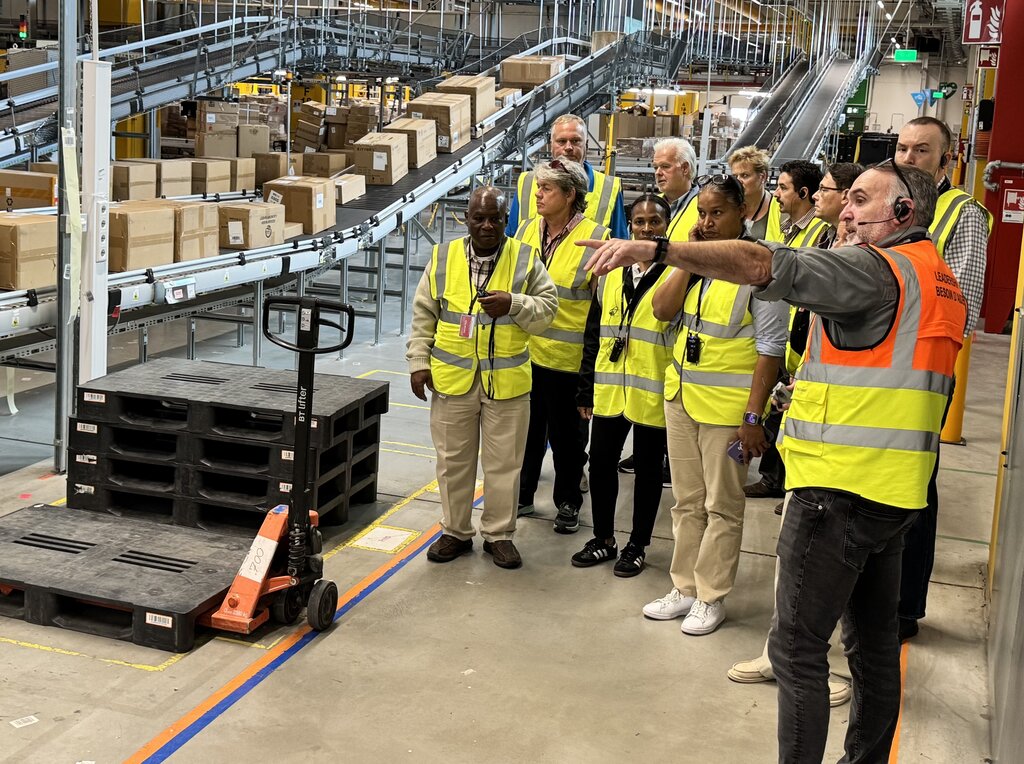
While 3PLs can offer a wide range of services, their work generally revolves around a few key functions. These are the nuts and bolts of getting a product from the factory to the customer's doorstep.
| Function | Description |
|---|---|
| Transportation | Manages the movement of goods. This can include freight shipping by truck, train, plane, or ship, both nationally and internationally. |
| Warehousing | Stores inventory securely and efficiently. This involves managing storage space, organizing products, and keeping track of stock levels. |
| Distribution | Fulfills customer orders. This includes picking items from warehouse shelves, packing them for shipment, and coordinating with carriers for delivery. |
Many 3PLs also handle related tasks like inventory management, freight forwarding, and even reverse logistics—the process of handling customer returns.
Why 3PLs Matter
In today's global economy, supply chains are more complex than ever. A single product might have components from three different countries, get assembled in a fourth, and be sold to customers all over the world. Managing this process is a massive undertaking.
This complexity is where 3PLs become essential. They bring expertise and scale that most individual companies can't achieve on their own.
By using a 3PL, businesses can tap into a global network of transportation and warehousing without the massive upfront investment. It allows a small e-commerce shop to offer the same fast shipping as a major retailer.
Furthermore, 3PLs help businesses become more agile. If your sales suddenly spike in a new region, a 3PL can quickly scale up warehousing and distribution there. If a shipping lane is disrupted, they have the knowledge and network to find alternative routes. This flexibility is a major competitive advantage.
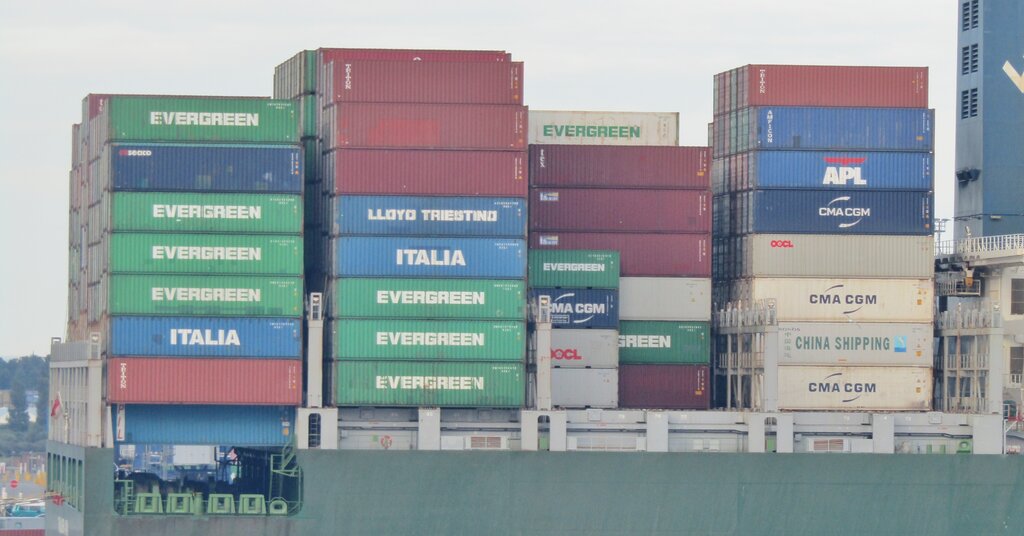
By outsourcing logistics, companies can reduce costs, improve efficiency, and provide better service to their customers. This allows them to concentrate on their core competencies, like product development, marketing, and sales, leaving the intricate dance of logistics to the experts.