The Rise and Legacy of Maritime Pisa
Etruscan and Roman Origins
An Etruscan Beginning
Long before the Romans, the Etruscans settled in a strategic spot near the Tuscan coast. This settlement, possibly known as Alfea, was perfectly positioned at the confluence of two major rivers: the Arno and the Auser. This location provided a natural defence and a direct waterway to the sea, making it an ideal hub for trade and travel.
The origin of the name, Pisa, is a mystery .
The Etruscans were a sophisticated civilisation with their own language, religion, and culture. They organised themselves into independent city-states, much like the later Greek poleis. While politically separate, they were united by a shared identity. This model of independent, yet culturally connected, cities would leave a lasting mark on the Italian peninsula. The Romans, who would eventually absorb Etruscan lands, adopted many of their architectural and engineering ideas.
The Tuscan column, arched gate, private villa with atrium (an Etruscan word), tombs with niches for multiple funerary urns, and large-scale temples on impressive raised stepped platforms are all Etruscan architectural features the Romans would adopt and adapt.
Rome's Naval Outpost
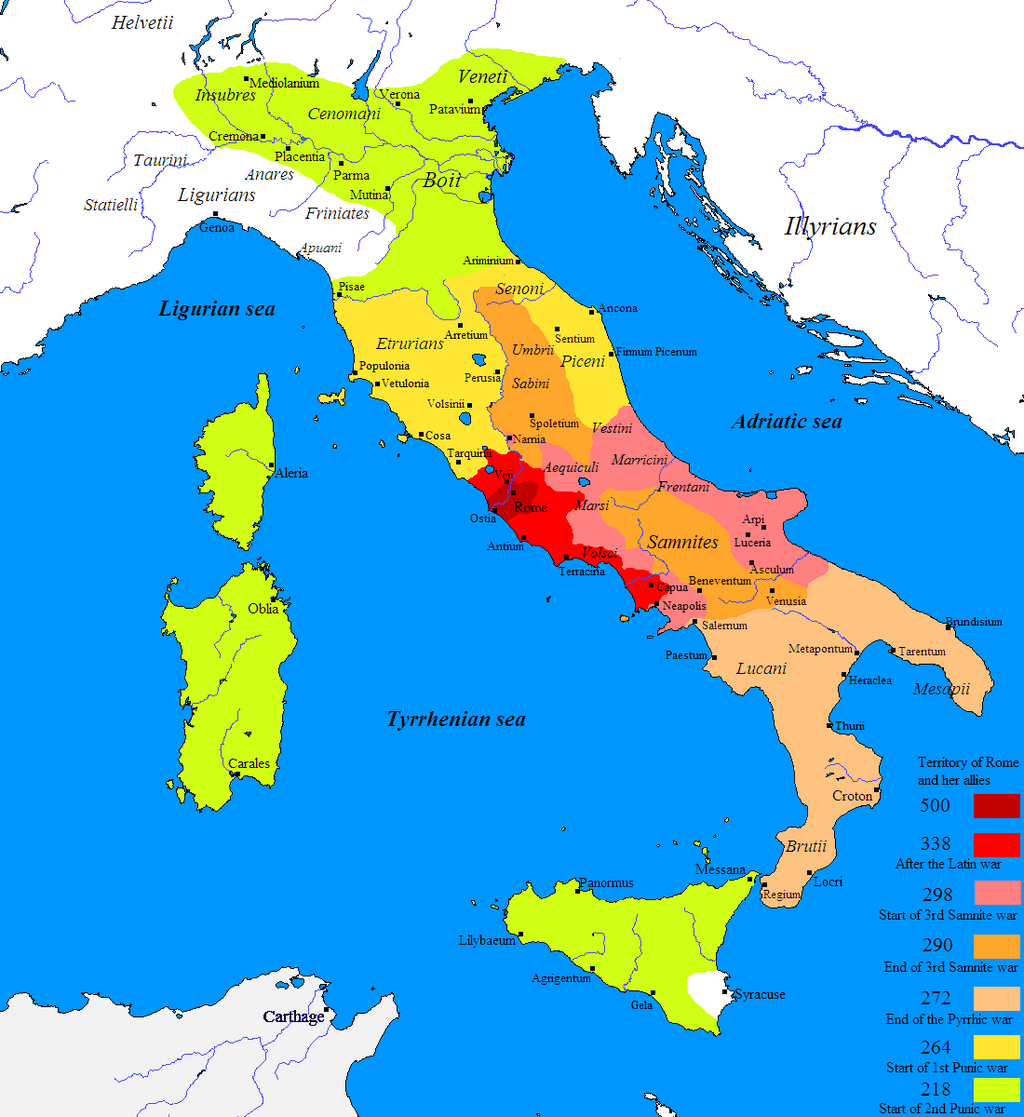
As Rome expanded, the strategic value of the Etruscan settlement at the mouth of the Arno was not lost on them. They took control and transformed it into a vital Roman 'municipium', a self-governing town with Roman citizenship, naming it Julia Obsequens. Its natural harbour, Portus Pisanus, became a key naval base for the Roman fleet.
From here, Rome launched military campaigns to conquer Liguria and Gaul. The port served as a staging ground for troops and supplies, projecting Roman power across the western Mediterranean. The ability to move legions by sea was a cornerstone of Roman military strategy, and Portus Pisanus was an essential part of that logistical network.
Engineering the Waterways
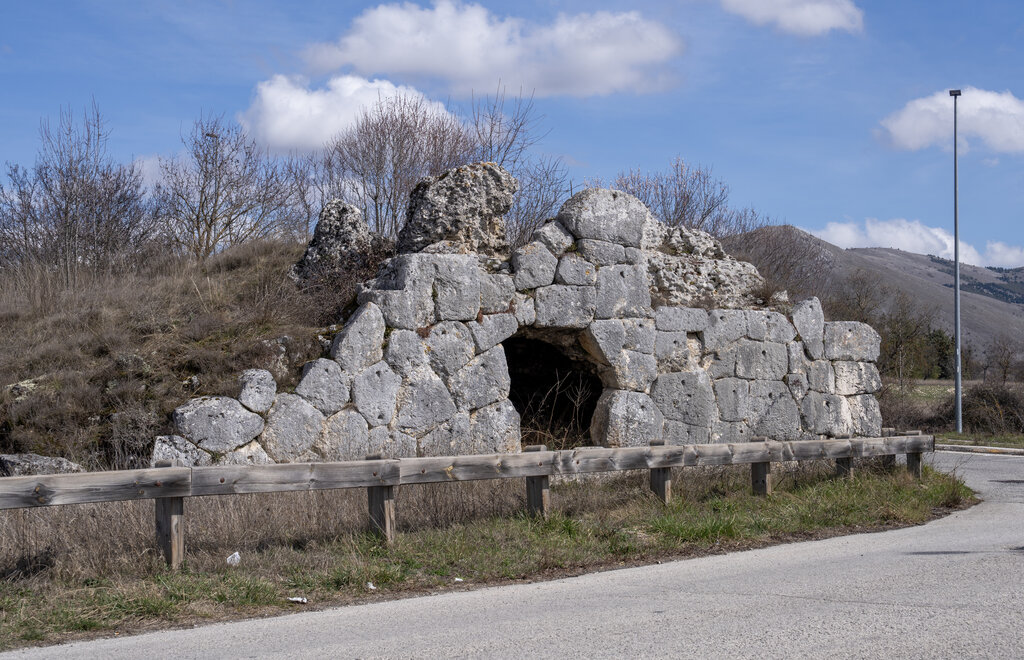
To maintain the port and the city, the Romans applied their renowned engineering skills. Managing the confluence of the Arno and Auser rivers required sophisticated hydraulic engineering to prevent silting and ensure the harbour remained deep enough for their warships. Canals were dug and riverbanks reinforced, shaping the landscape to serve their strategic needs.
This mastery over the environment was a hallmark of Roman civilisation. Just as they built aqueducts to supply cities with water and roads to connect their vast empire, they engineered waterways to secure their military and commercial dominance.
A Lasting Legacy
The Roman infrastructure at Portus Pisanus did not disappear with the fall of the empire. The port's strategic importance ensured its survival, and it continued to serve as a vital link between the Mediterranean and inland Tuscany throughout the early Middle Ages.
This continuity laid the foundation for Pisa's next great chapter. The naval expertise and maritime tradition established under the Romans were the seeds from which the powerful medieval Maritime Republic of Pisa would grow.
From that time, Pisa experienced a period of successful conquests in the sea.
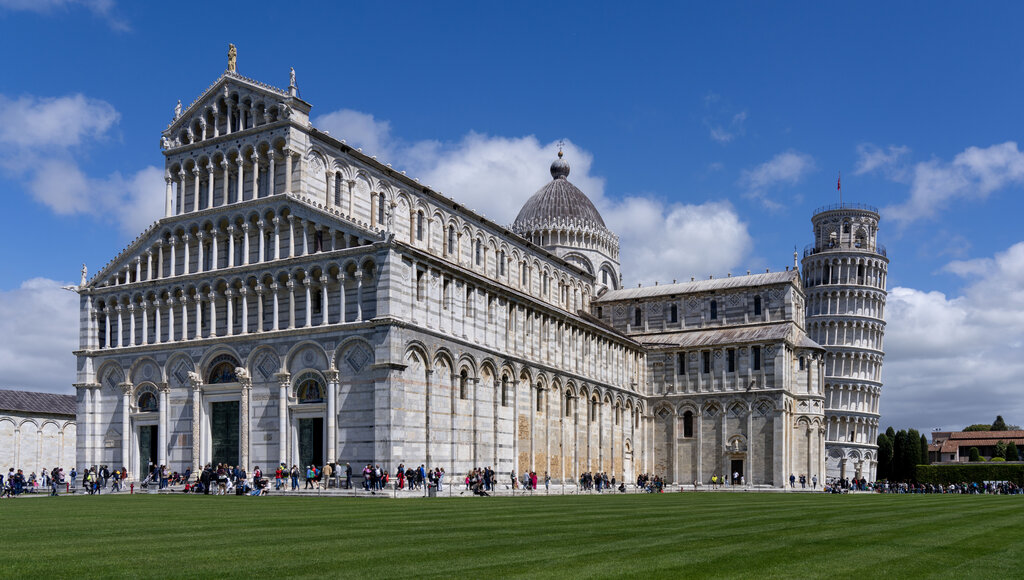
The city's deep-rooted connection to the sea, first established by the Etruscans and then weaponised by the Romans, defined its identity for centuries. The Piazza dei Miracoli, with its famous leaning tower, is the legacy of a city built on maritime power, a story that began at the junction of two ancient rivers.
What geographical feature made the initial Etruscan settlement, possibly named Alfea, a strategic location?
The Etruscans organised themselves into a single, unified kingdom ruled from Alfea.
From its Etruscan roots to its role as a Roman naval powerhouse, Pisa's early history was defined by its strategic location and mastery of the waterways. This foundation proved crucial for its later rise as a major maritime power.