The Rise and Fall of the Roman Empire
Founding of Rome
The Wolf and the Twins
Every great city has a story. Rome’s begins not with blueprints and builders, but with a god, a princess, and abandoned twins. The legend says that Rhea Silvia, a priestess, gave birth to twin boys fathered by Mars, the god of war. Her jealous uncle, the king, ordered the infants to be thrown into the Tiber River.
But the basket carrying the boys, Romulus and Remus, washed ashore. They were found by a she-wolf who, instead of harming them, nursed them as her own cubs. A woodpecker brought them food. This divine protection signaled that the boys were destined for greatness.
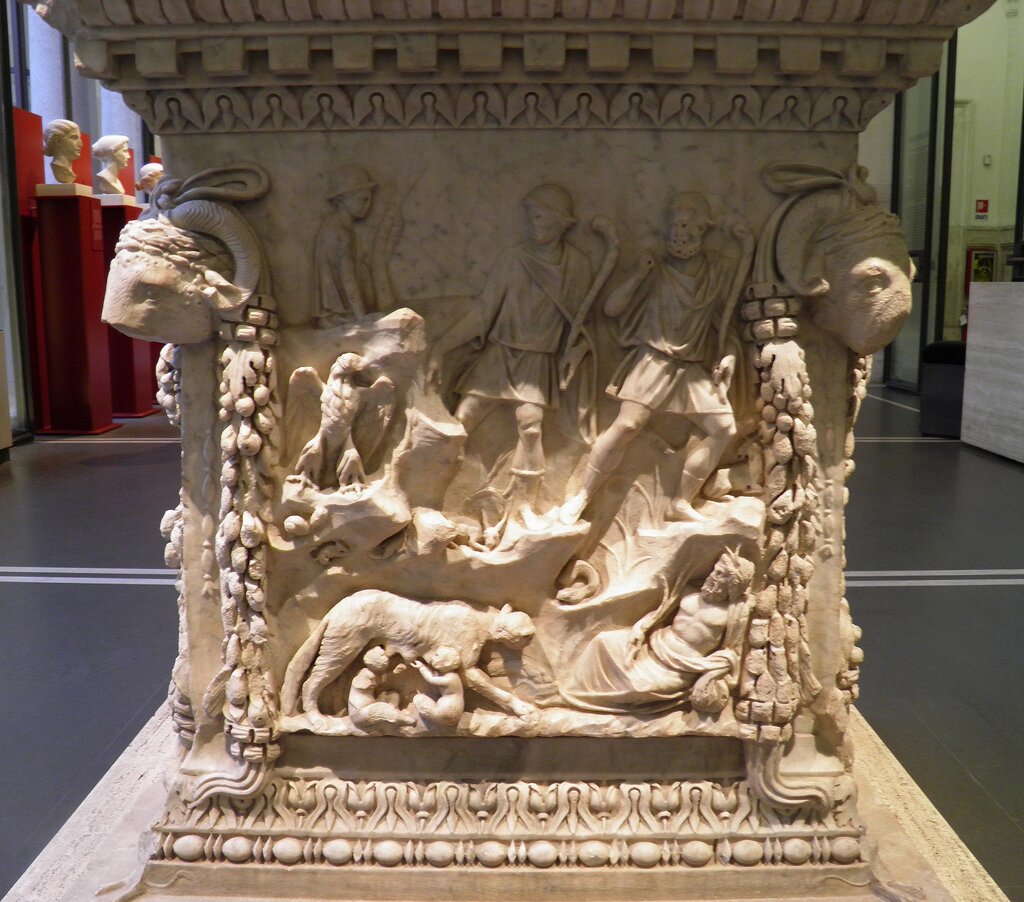
Eventually, a shepherd named Faustulus discovered the twins and raised them. As young men, they learned their true identity, returned to their grandfather's kingdom, and restored him to the throne. Afterward, they decided to found their own city near the place where they had been saved.
The brothers couldn't agree on which hill to build upon. Romulus chose the Palatine Hill, while Remus favored the Aventine Hill. To settle the dispute, they turned to the gods, agreeing that whoever saw more vultures in the sky would be king.
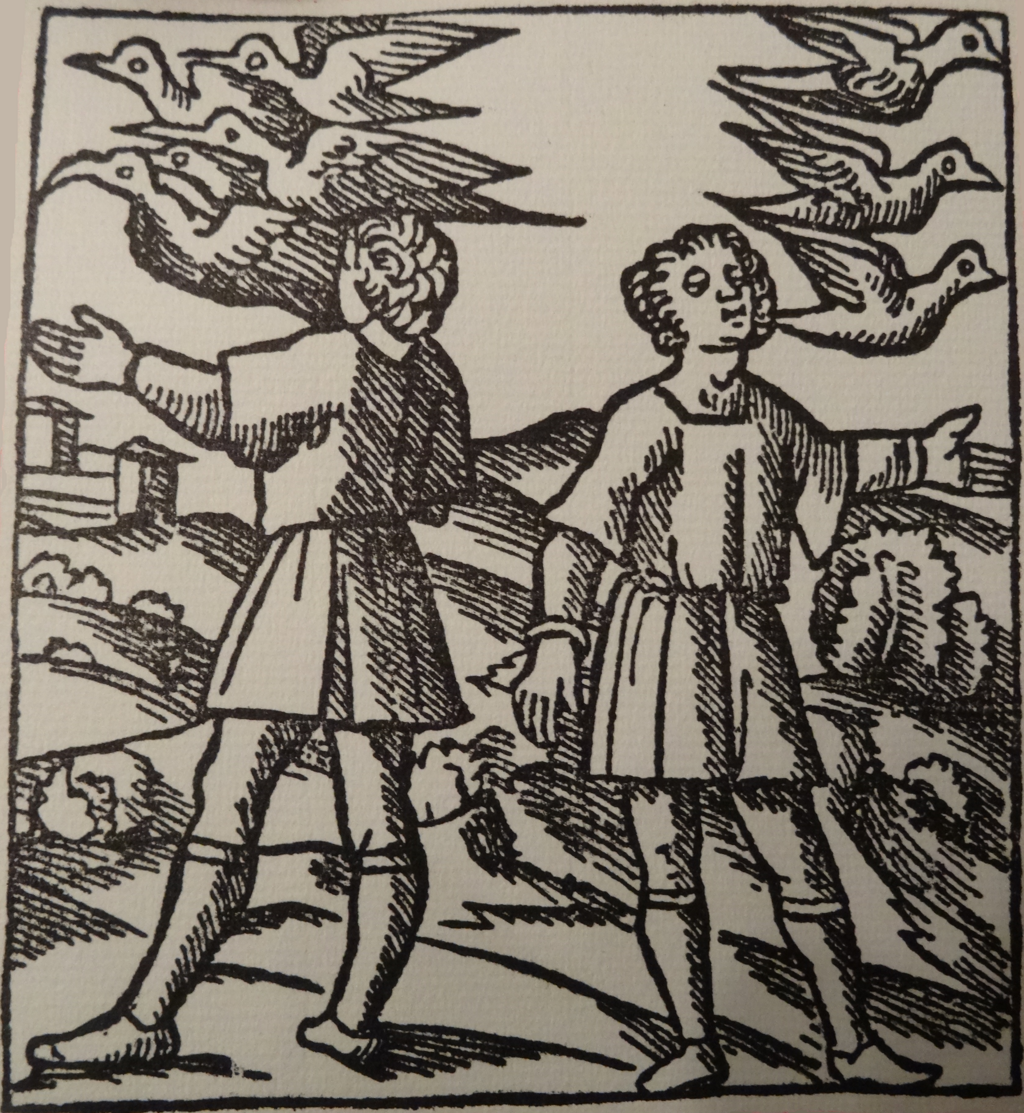
Remus saw six vultures first. But moments later, Romulus saw twelve. Each claimed victory. In the heated argument that followed, Romulus began building a wall around his chosen hill. Remus, mocking the low wall, jumped over it. Enraged, Romulus killed his brother, declaring, "So shall it be for all who cross my walls."
With his brother gone, Romulus founded the city on April 21, 753 BCE, and named it Roma after himself.
From Myth to Mud Huts
The story of Romulus and Remus is a powerful foundation myth, but the reality was likely more gradual. Archaeologists have found evidence of simple huts on the Palatine Hill dating back to the 8th century BCE, around the time the legend is set. These weren't grand stone buildings, but small dwellings made of wattle and daub.
The early Romans were shepherds and farmers. They chose the hills of Rome for good reason. The location was easily defensible and close to a ford in the Tiber River, making it a natural crossroads for trade and travel.
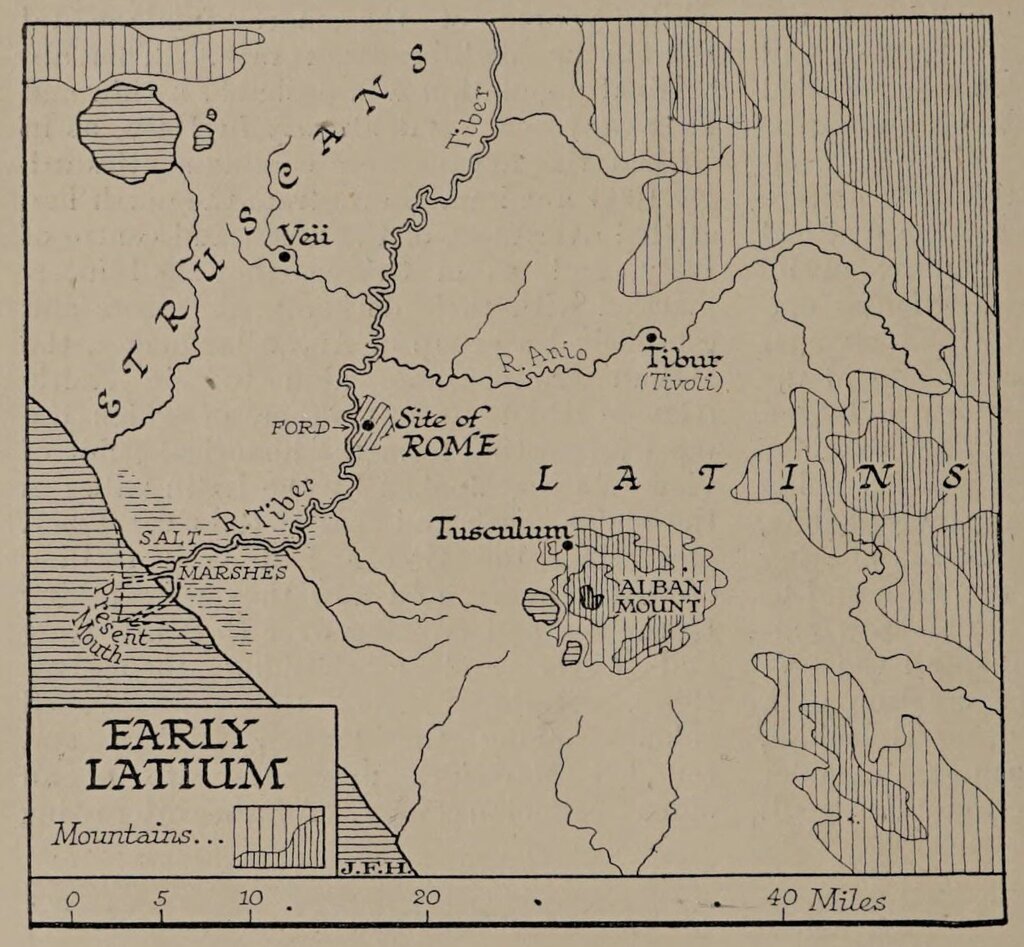
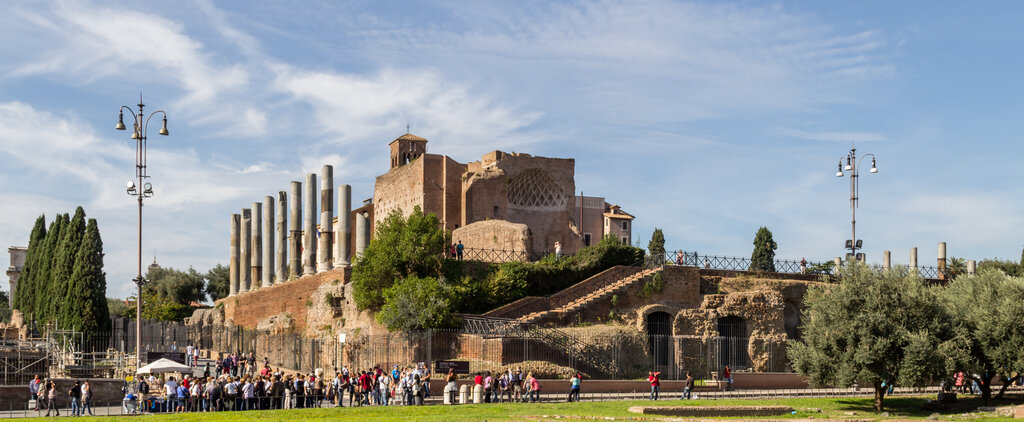
Over time, the small, independent villages on the Palatine, Capitoline, and other neighboring hills began to merge. They drained the marshy valley between them, which would become the Roman Forum, the center of public life. This slow fusion of communities, not a single act of creation, formed the city-state of Rome.
The First Kings
According to tradition, Romulus was the first of seven kings to rule Rome. This period, known as the Roman Kingdom, lasted for over two centuries. The kings were not hereditary monarchs who passed power to their sons. Instead, they were chosen by the citizens of Rome.
The king served as the head of the army, the chief priest, and the supreme judge. However, his power was not absolute. He was advised by a council of elders called the Senate, an institution that would play a crucial role throughout Roman history.
During the reign of these early kings, Rome grew from a collection of villages into a proper city. They built temples, organized the army, and established the first laws. These foundational steps taken during the Kingdom period laid the political and social groundwork for the powerful Roman Republic that would follow.
The story of Rome's founding, a mix of violent myth and practical settlement, shaped the Roman character. They saw themselves as descendants of a divinely favored, determined founder who built a city destined for greatness. It was a story they would carry with them as they expanded from a small city-state into a vast power.