The Rise and Fall of the Roman Empire
Founding of Rome
The She-Wolf's Sons
Rome’s origin story is a dramatic tale. It begins with twin brothers, Romulus and Remus, born to a princess and, according to legend, the god of war, Mars. A jealous king ordered them to be drowned in the Tiber River, but fate intervened. Their basket washed ashore, and they were found and nursed by a she-wolf.
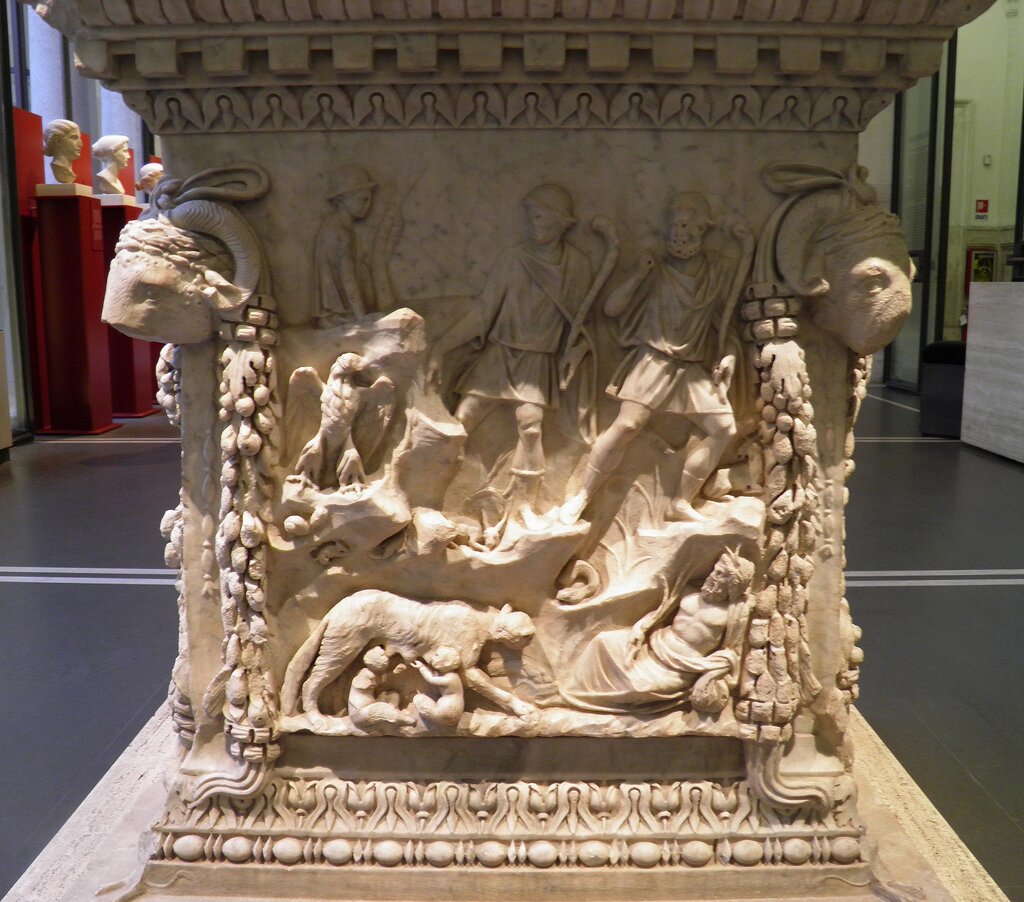
A shepherd eventually discovered and raised the boys. Once grown, they learned of their true identities, overthrew the evil king, and decided to build their own city near the spot where they had been saved. A dispute arose over who would rule it. To settle the matter, they watched the sky for a sign from the gods.
Remus saw six vultures first, but Romulus saw twelve. Romulus claimed victory and began digging a trench for his city’s walls on the Palatine Hill. In a fit of mockery, Remus jumped over the shallow trench, and an enraged Romulus killed him. Alone, Romulus finished the city and named it after himself: Rome. The traditional date for its founding is April 21, 753 BC.
A City on a Hill
While the story of Romulus and Remus is a myth, it contains a kernel of truth. The location they supposedly chose, the Palatine Hill, is indeed where Rome began. Archaeologists have uncovered evidence of simple huts on the Palatine dating back to the 8th century BC, matching the legendary timeline.
This location was no accident. The seven hills of Rome offered excellent defensive positions, and the Palatine was especially strategic. It overlooked a natural crossing point on the Tiber River, making it a hub for trade and travel. Over time, the small villages on the Palatine and neighboring hills grew and merged, gradually forming the city of Rome.
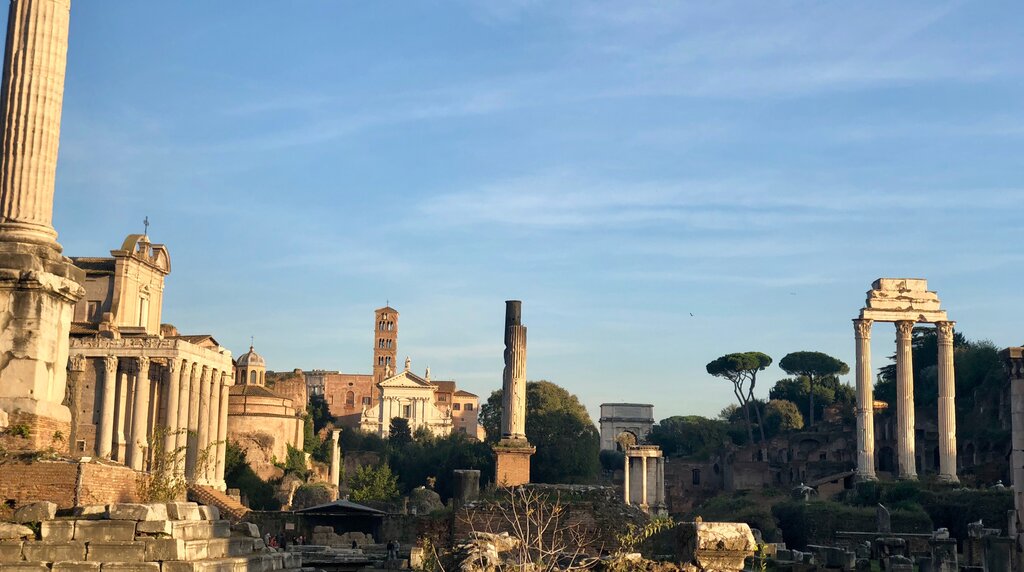
The early Romans were a mix of Latins and other Italic peoples. Their society was organized around families and clans, led by a king.
From Kings to Consuls
According to tradition, Rome was ruled by seven kings, starting with Romulus. These kings were not absolute monarchs; they governed with the consent of a council of elders called the Senate and an assembly of citizens. This period lasted for nearly 250 years.
The monarchy ended in 509 BC with the overthrow of the last king, Lucius Tarquinius Superbus, known as Tarquin the Proud. His tyrannical rule and his son's heinous crimes against a noblewoman named Lucretia sparked a rebellion led by Lucius Junius Brutus. The king was exiled, and the monarchy was abolished.
Determined never again to be ruled by a single man, the Romans established a new form of government: a republic.
Instead of a king, Rome would now be led by two annually elected officials called consuls. They held equal power, and each could veto the other's decisions, a system designed to prevent any one person from becoming too powerful. The Senate, once just an advisory council to the king, gained significant influence over lawmaking and governance. This shift from monarchy to republic was a pivotal moment, paving the way for centuries of Roman expansion and political innovation.