The Rise and Fall of the Ottoman Empire
Origins and Early Expansion
From Beylik to Empire
By the late 13th century, Anatolia, the large peninsula of modern-day Turkey, was a patchwork of small Turkish principalities known as beyliks. They emerged from the crumbling Seljuk Sultanate of Rum, which had been shattered by Mongol invasions. One of these beyliks, located in the northwest on the frontier with the fading Byzantine Empire, was led by a chieftain named Osman I.
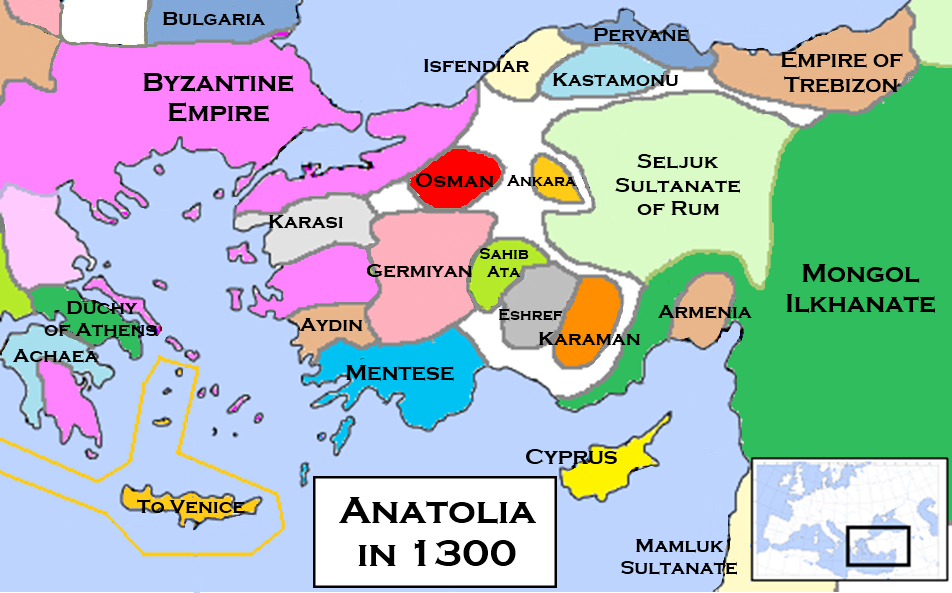
Osman's territory was small, but its location was a huge advantage. The Byzantine Empire, once a mighty power, was in a state of terminal decline, unable to effectively defend its Anatolian lands. This provided a perfect opportunity for ambitious frontier warriors. Osman and his followers, known as ghazis, were motivated by a mix of conquest, religious zeal, and the promise of wealth. They began chipping away at Byzantine territory, launching raids and gradually absorbing towns and forts.
The early Ottomans didn't just conquer; they attracted followers. Disillusioned Byzantine peasants and soldiers, as well as other Turkish warriors, saw stability and opportunity in Osman's growing state.
The first major prize fell not to Osman, but to his son, Orhan. In 1326, the Ottomans captured the strategic city of Bursa. This wasn't just another conquest. Bursa was a major commercial and administrative center. Its capture gave the Ottomans a formal capital, a base for minting their own coins, and a center for organizing their burgeoning state. It marked their transition from a nomadic warrior band to a settled, territorial power.
Crossing into Europe
With Anatolia consolidating behind them, the Ottomans looked across the water to Europe. The Balkans were as fractured and rife with conflict as Anatolia had been. The Byzantine Empire was embroiled in civil wars, and its leaders sometimes hired Ottoman warriors as mercenaries. This was a fatal mistake.
By the 1350s, the Ottomans had used their mercenary roles to establish a permanent foothold on the European side of the Dardanelles strait. From this base, they launched their own campaigns. The conquest of the Balkans was surprisingly rapid. Local Serbian and Bulgarian rulers were unable to unite against the new threat, and the Ottomans picked them off one by one.
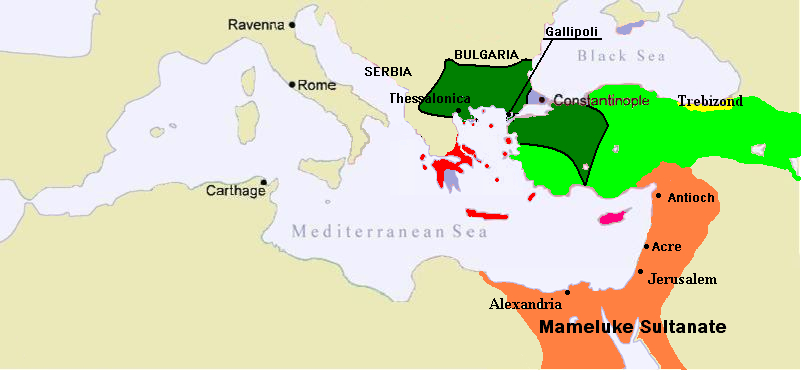
In 1369, Sultan Murad I, Orhan's successor, made a bold strategic move. He captured the city of Adrianople and renamed it Edirne, making it the new Ottoman capital. This wasn't just a symbolic gesture. Moving the capital to Europe demonstrated that the Ottomans were there to stay. Edirne was a strategic launchpad for further campaigns into the heart of the Balkans and put immense pressure on the Byzantine capital, Constantinople.
The Keys to Success
How did a minor principality achieve such explosive growth? The Ottoman success wasn't an accident. It was built on a foundation of military innovation and pragmatic governance.
Their military was a formidable force. It combined the traditional Turkic light cavalry with more organized infantry units. A key development under Murad I was the creation of the Janissaries. This elite corps was formed from Christian boys taken from conquered lands, converted to Islam, and raised to be fiercely loyal soldiers of the Sultan. They were a professional, standing army at a time when most European rulers relied on feudal levies.
The Janissaries were the first modern standing army in Europe, a disciplined and effective force that gave the Ottomans a decisive edge in battle.
Administratively, the early Ottomans were practical rulers. Rather than imposing their own systems wholesale, they often co-opted existing Byzantine structures and personnel. They allowed conquered peoples, especially Christians and Jews, to practice their own religions and live under their own laws in exchange for a tax. This policy of relative tolerance prevented widespread rebellion and made Ottoman rule more acceptable to diverse populations.
Time to review the foundations of the Ottoman state.
What was the political situation in Anatolia just before the rise of Osman I?
The capture of which city in 1326 marked the Ottoman transition from a nomadic group to a settled state with a formal capital?
This combination of military strength, strategic vision, and flexible administration allowed the Ottomans to transform from a small frontier beylik into a dominant empire in just over a century.