The Rise and Fall of the Benin Empire
Origins of the Benin Empire
The First Kings
Before the celebrated Obas, the Edo people were ruled by a line of kings known as the Ogiso, or "rulers of the sky." Oral traditions suggest around 30 Ogiso reigned over a collection of towns and villages. Their rule was characterized by a council system where chiefs from different communities played a significant role in governance. For a long time, this system maintained stability.
However, the Ogiso era eventually ended in turmoil. The last Ogiso, Owodo, was banished due to incompetence and tyranny, leaving a power vacuum. The kingdom fell into a period of internal strife, with powerful chiefs vying for control. This instability led the Edo elders to look for a new form of leadership to restore order.
The Ogiso era ended in turmoil, leaving the Edo people searching for a new leader and a more stable system of government.
A Prince from Ife
Frustrated with the internal conflict, the Edo chiefs sent a messenger to the powerful neighboring kingdom of Ife, asking their revered king, the Ooni, to send a prince to rule over them. The Ooni sent his son, Prince Oranmiyan, to establish a new dynasty.
Oranmiyan's arrival wasn't entirely smooth. He found the political environment challenging and the people difficult to govern. He famously called the land "Ile-Ibinu," which means "land of vexation" in the Yoruba language. Feeling he could not rule this land effectively, he decided to leave. Before departing, he had a son with a local princess. This son, named Eweka, was raised to become the first king of the new era.
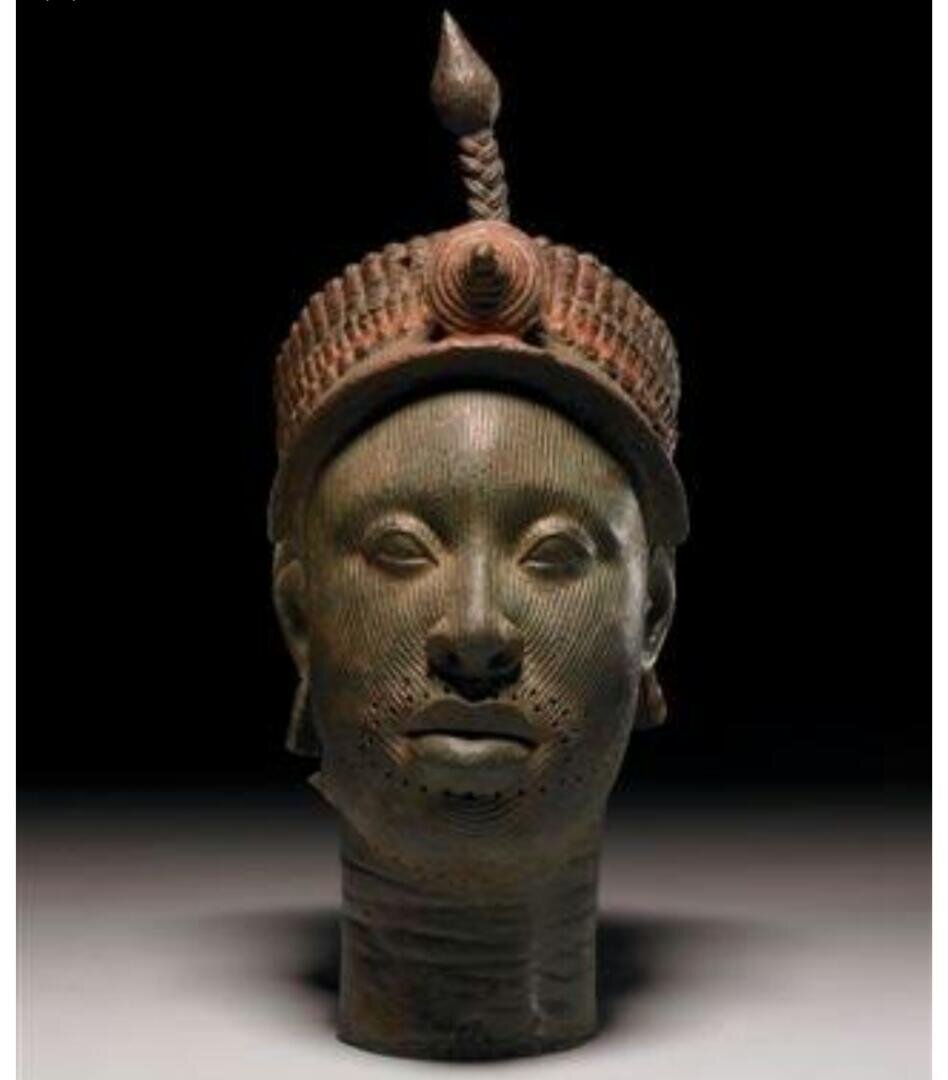
Eweka I's ascension to the throne around 1200 CE marked the beginning of a new dynasty and a new title for the ruler: the Oba. This event represents the transition from the old Ogiso system to the powerful monarchy that would define the Benin Empire.
Building a Kingdom
The establishment of the Oba system brought significant changes to the socio-political structure of the Edo people. Unlike the Ogiso, the Oba held a more centralized and divine authority. The new government was built around the Oba, who was supported by a complex hierarchy of chiefs and palace officials. This created a more stable and organized state, capable of expansion and long-term governance.
The capital city, Edo (later known as Benin City), became the political and spiritual heart of the kingdom. The Oba's palace was the center of all activity, and a system of guilds was established for artisans, warriors, and priests, all serving the Oba and the kingdom.
Foundational myths played a crucial role in legitimizing the new dynasty. The link to Ife, a prestigious and culturally significant kingdom, gave the new Obas a strong claim to power. Legends surrounding Oranmiyan and Eweka I blended the heritage of the Edo people with the divine authority of the Ife monarchy, creating a powerful origin story for the new empire. These stories were passed down through generations, cementing the Oba's sacred right to rule.
Oba
noun
The title for the divine king or ruler of the Benin Empire. The word means 'king' or 'ruler' in the Edo language.
The historical kingdom of Benin was established in the forested region of West Africa in the 1200s C.E.
Now, let's review the key terms and concepts from the Benin Empire's origins.
Test your knowledge on how the Benin Empire began.
What was the title of the rulers who governed the Edo people before the establishment of the Oba dynasty?
What event directly led the Edo elders to seek a new ruler from the kingdom of Ife?
The foundation laid by the first Obas created a stable and powerful kingdom that would grow to become one of the most influential empires in West African history.