The Rich History of Valencia
Roman Foundations
The Birth of Valentia
In 138 BC, a group of Roman soldiers, veterans of the Lusitanian War, were granted a piece of land on the east coast of Hispania. On a small river island in the Turia, they founded a new colony: Valentia Edetanorum. The name, meaning "Valor of the Land of the Edetani," reflected the courage of its first settlers.
The location wasn't accidental. It was strategically placed near the sea and along a major trade route, the Via Augusta. This prime position allowed the new city to control trade and travel, setting the stage for its future importance.
A City Built on a Grid
Roman cities were known for their logical, organized layout. Like most new Roman settlements, Valentia was planned like a military camp, or castrum. The city was laid out in a neat grid pattern, a design that still influences the core of modern Valencia.
Two main streets formed the backbone of the city. The Cardo Maximus ran north-south, while the Decumanus Maximus ran east-west. Where these two avenues crossed, the Romans established the city's heart: the Forum.
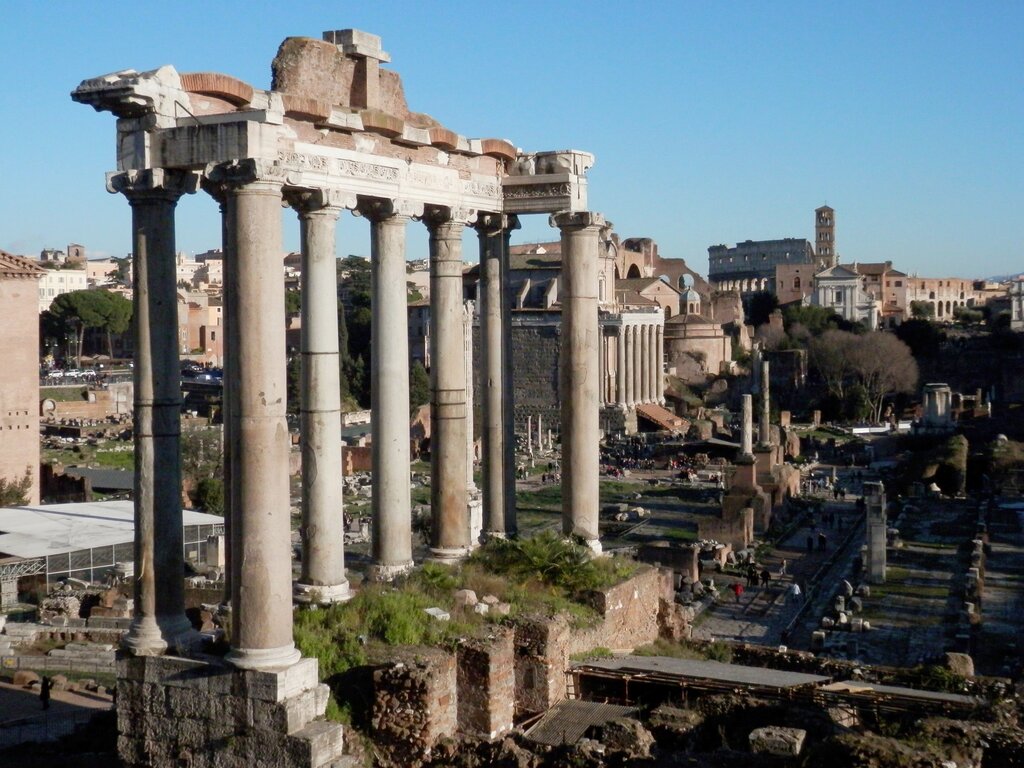
The Forum was the center of public life. It was a bustling open square surrounded by the most important buildings: the basilica for law courts, the curia for the town council, temples for worship, and shops called tabernae.
Engineering an Empire
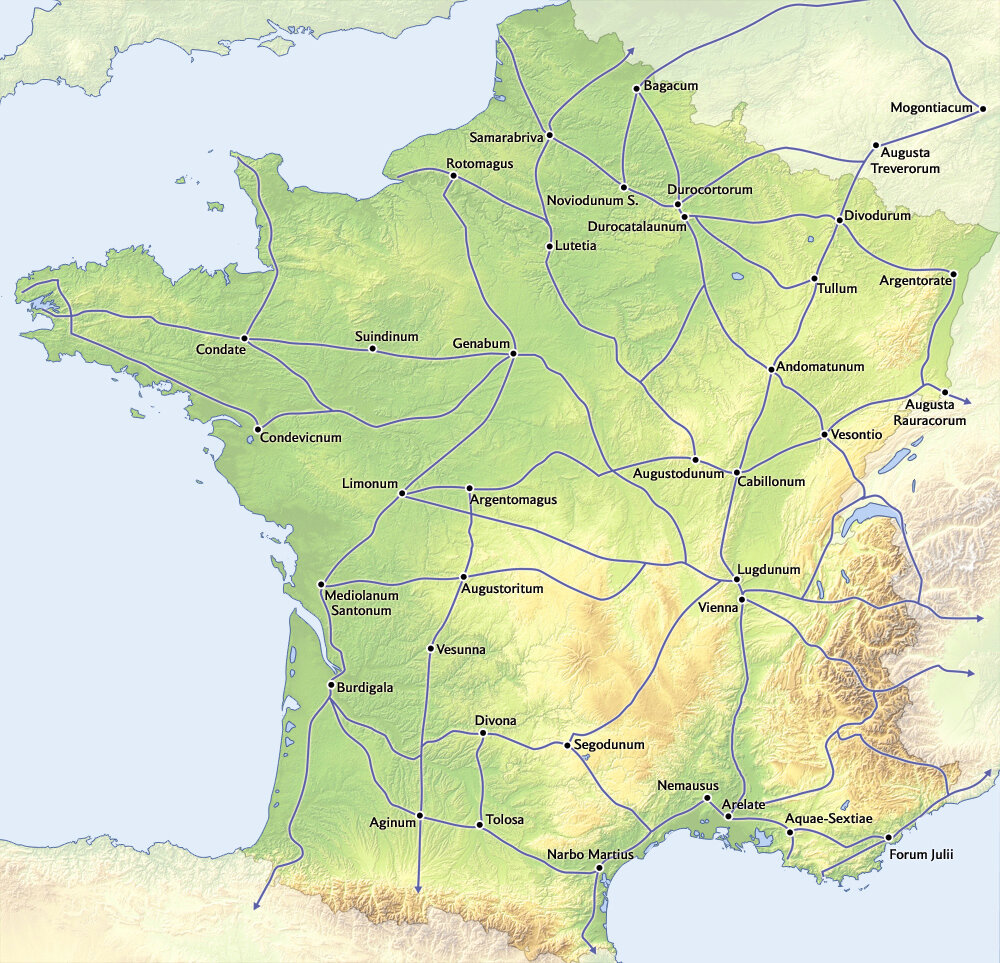
To support their new city, the Romans engineered remarkable infrastructure. The most significant was the Via Augusta, the longest Roman road in Hispania, stretching from the Pyrenees to Cádiz. This vital artery connected Valentia to the vast trade network of the Roman Empire, bringing goods, people, and ideas.
Just as important were the aqueducts. These incredible structures carried fresh water from distant sources into the city, supplying public baths, fountains, and private homes. This engineering feat not only improved sanitation and public health but was also a clear symbol of Roman power and technological skill.
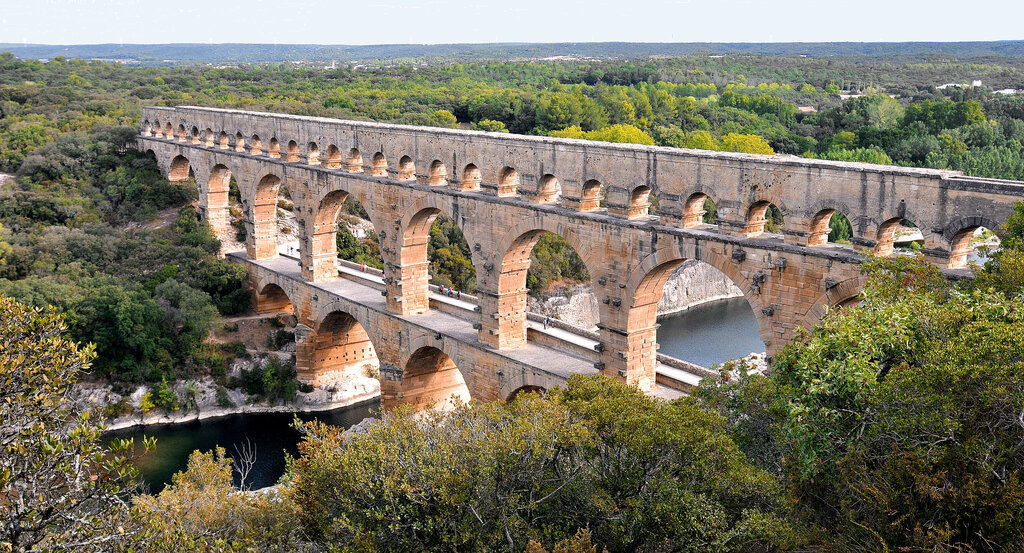
Engineering & Infrastructure: Roman roads, aqueducts, and cities weren’t just feats of building; they were the physical network that facilitated the spread of Romanized culture, trade, governance, and ideas across vast distances.
The founding of Valentia was more than just the construction of a new city. It was the implantation of a new culture. Through its organized streets, sturdy infrastructure, and public buildings, Rome laid a foundation of law, language, and custom that would shape the identity of Valencia for centuries to come.
Let's review what you've learned about Valencia's Roman origins.
What was the original Roman name for the city of Valencia?
The layout of new Roman cities like Valentia was typically based on a Roman military camp, also known as a...
These early Roman elements—the grid, the forum, the roads, and the aqueducts—created a durable framework upon which the city has grown and evolved for over two thousand years.