The Restorative Power of Viparita Karani
Introduction to Viparita Karani
The Inverted Action
Among the wide array of yoga postures, some are designed to build heat and strength, while others aim to cool the body and calm the mind. Viparita Karani falls squarely in the second category. It’s a gentle, restorative pose that offers a chance to reset and relax.
The name itself gives a clue to its nature. In Sanskrit, the ancient language of yoga, the name breaks down into two parts.
inverted or reversed
action or doing
Together, they mean “inverted action.” This doesn’t refer to a strenuous, upside-down handstand. Instead, it describes a gentle reversal of the body’s typical orientation.
Restorative and Inverted
Viparita Karani is considered both a restorative pose and a mild inversion. Let's unpack what that means.
Restorative yoga poses are passive and designed for deep relaxation. They help release tension, soothe the nervous system, and encourage the body to heal. Instead of actively using muscles, you allow your body to be supported by props like blankets, bolsters, or, in this case, a wall. The goal is complete surrender, not effort.
The focus of a restorative pose is to relax and renew, balancing the more active parts of a yoga practice or a busy day.
The pose is also a mild inversion. An inversion is any posture where the heart is positioned higher than the head. While this might bring to mind advanced poses like Headstand or Shoulderstand, inversions can be much simpler. In Viparita Karani, by elevating the legs, you gently reverse the flow of gravity on the body's fluids without putting strain on the neck or spine.
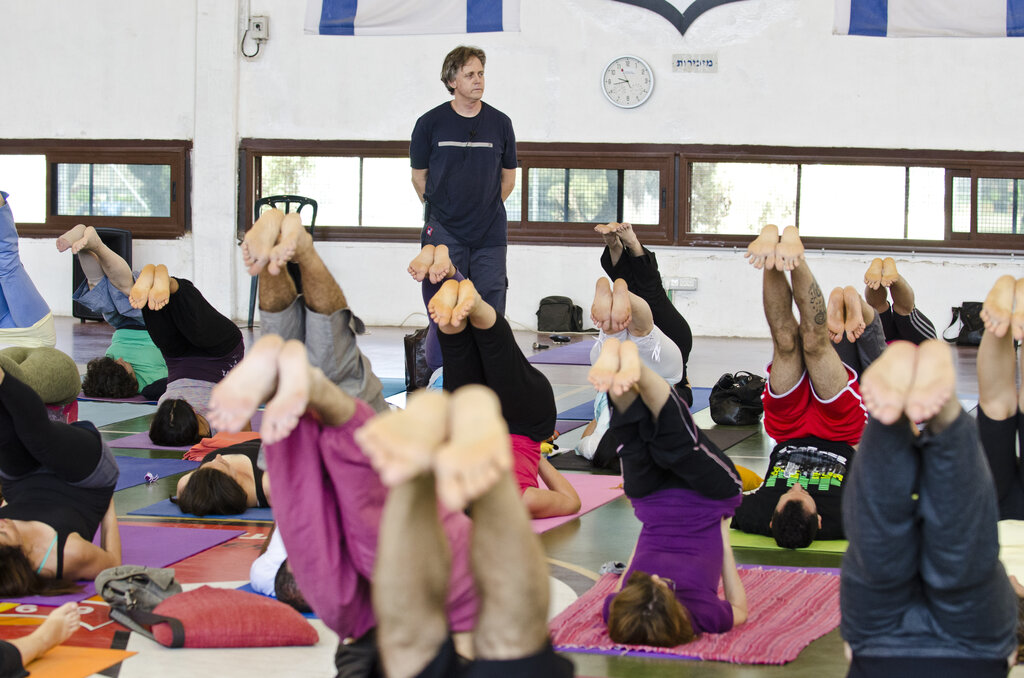
Its Place in Practice
So, when would you practice Viparita Karani? Because of its calming effects, it’s an ideal way to conclude a yoga session, right before the final relaxation pose, Savasana. It helps the body transition from movement to stillness.
It can also be a standalone practice. Feeling stressed after a long day? Spending a few minutes in Legs-Up-the-Wall can be a simple and effective way to unwind. Its accessibility makes it suitable for almost everyone, from beginners to experienced yogis, offering a moment of quiet renewal.
Let's check your understanding of these foundational concepts.
What is the English translation of the Sanskrit term "Viparita Karani"?
Viparita Karani is considered both a restorative pose and what other type of pose?
This pose serves as a perfect example of how yoga isn't just about intense physical effort, but also about profound rest and balance.