The Republic of Turkey A Historical Overview
Founding of the Republic
The End of an Empire
The Ottoman Empire, once a sprawling power, was on its last legs after World War I. The Turkish War of Independence had successfully pushed occupying forces out of Anatolia, but a fundamental question remained: who would govern? The centuries-old monarchy, led by Sultan Mehmed VI, still existed in Istanbul. However, the real power was with the Turkish National Movement in Ankara, led by Mustafa Kemal Pasha.
The breaking point came in late 1922. The Allied powers, preparing for a peace conference in Lausanne, Switzerland, invited both the Sultan's government and the Ankara government to attend. This was a classic divide-and-conquer tactic. For Mustafa Kemal and his followers, it was unacceptable. There could only be one representative of the Turkish people.
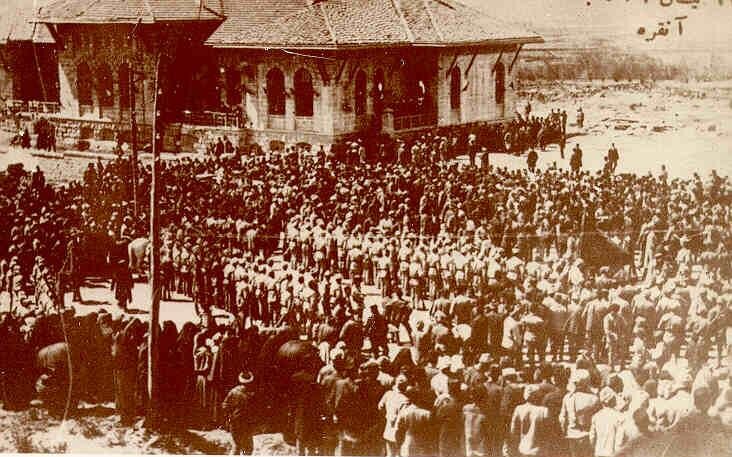
On November 1, 1922, the Grand National Assembly in Ankara passed a law that officially separated the caliphate from the sultanate and abolished the latter. The Ottoman Sultanate, which had ruled for over 600 years, was officially over. Sultan Mehmed VI fled the country a few weeks later. The move was decisive, clearing the way for a new form of government and ensuring that only the Ankara government would speak for Turkey on the world stage.
Rewriting the Terms of Peace
With the sultanate gone, the Turkish delegation, led by İsmet İnönü, arrived at the Lausanne Conference with a strong mandate. Their goal was to replace the humiliating Treaty of Sèvres, which had been imposed on the Ottoman Empire in 1920. Sèvres was a victor's peace, designed to carve up the empire and leave only a small, weak Turkish state in its place.
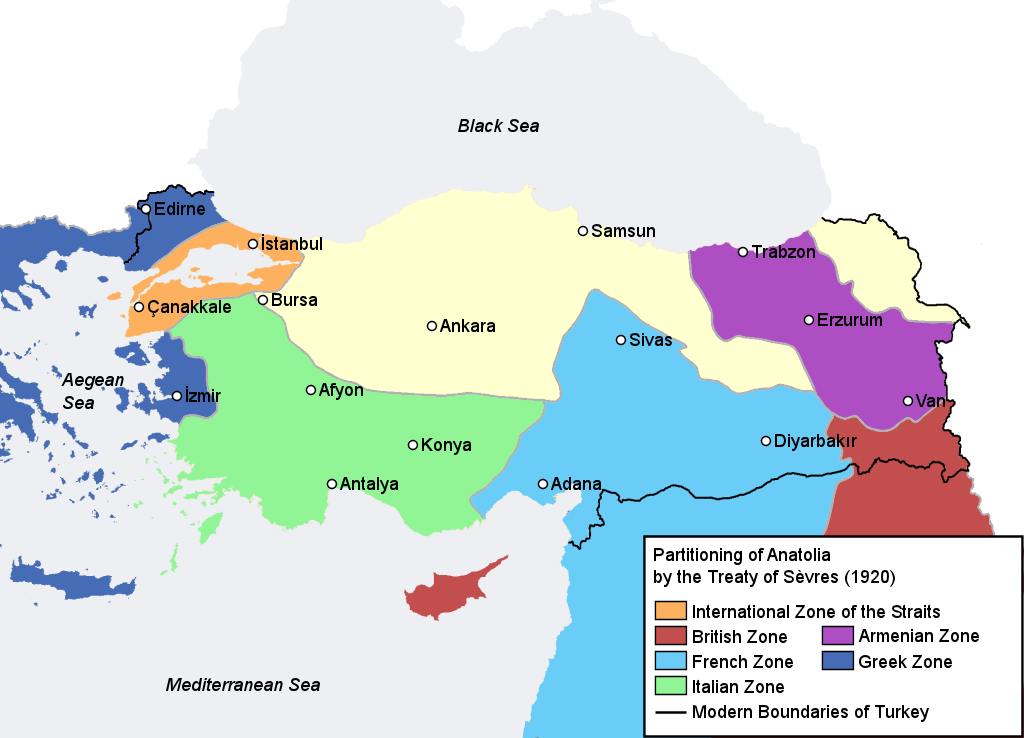
The nationalists had rejected Sèvres and fought a war to nullify it. In Lausanne, they negotiated for months, arguing for Turkish sovereignty over Anatolia and Eastern Thrace. The talks were grueling, but the Turkish side stood firm. The result, signed on July 24, 1923, was the Treaty of Lausanne.
The Treaty of Lausanne was a major diplomatic victory. It secured international recognition for the sovereignty and borders of the new Turkish state, a stark contrast to the partition planned under Sèvres.
| Feature | Treaty of Sèvres (1920) | Treaty of Lausanne (1923) |
|---|---|---|
| Borders | Partitioned Anatolia; created zones of influence for Allied powers. | Recognized modern Turkish borders, including Anatolia and East Thrace. |
| Sovereignty | Severely limited; Allied control over finances and military. | Full sovereignty; no foreign military or financial control. |
| The Straits | International control over the Bosphorus and Dardanelles. | Turkish control over a demilitarized zone. |
| Status | Imposed on the defeated Ottoman Empire. | Negotiated by the victorious Turkish National Movement. |
A Republic is Born
With its borders and sovereignty secured, the final step was to declare the nature of the new state. While the sultanate was gone, the political structure wasn't yet fully defined. Mustafa Kemal believed a republic was the only form of government compatible with popular sovereignty.
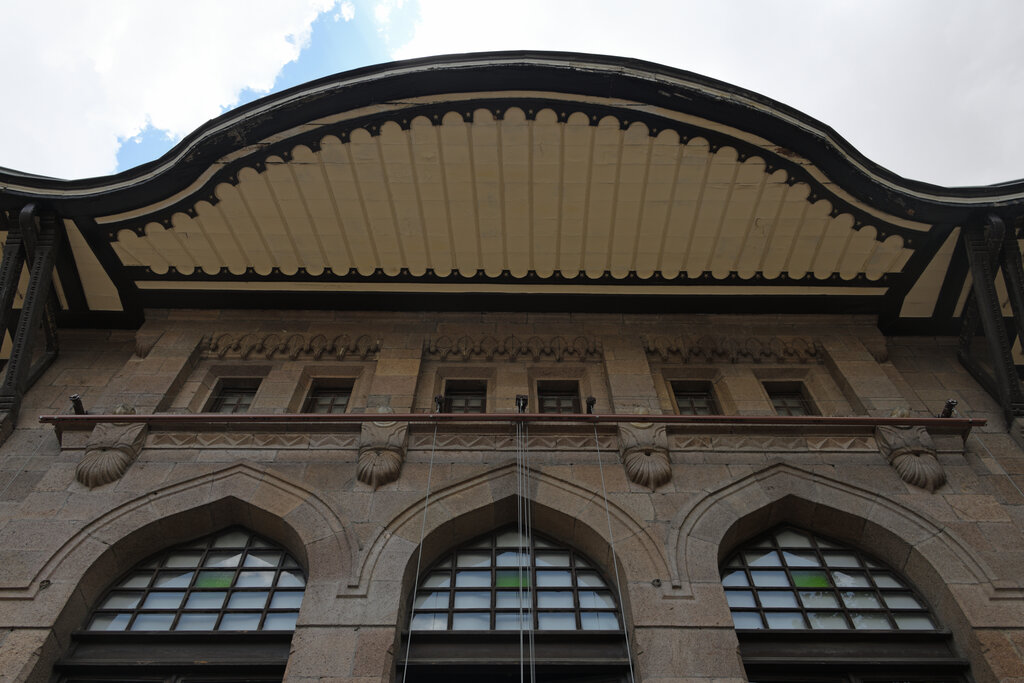
On October 29, 1923, the Grand National Assembly officially proclaimed the Republic of Turkey. In the same session, Mustafa Kemal was unanimously elected as its first president. This act marked the definitive end of the Ottoman era and the birth of a modern nation-state founded on secular, nationalist principles.
The proclamation of the republic was not just a change in title; it was a fundamental shift in political ideology, moving from a multi-ethnic, religious empire to a nation-state where sovereignty resided with the people.
Mustafa Kemal, who would later be given the surname Atatürk ("Father of the Turks"), became the central figure in shaping the new republic. His leadership during the War of Independence and the subsequent political transition was essential to the founding of modern Turkey.
Let's review the key terms from this period.
Now, check your understanding of these pivotal events.
What event directly prompted the Turkish Grand National Assembly to abolish the Ottoman Sultanate in November 1922?
How did the Treaty of Lausanne (1923) primarily differ from the earlier Treaty of Sèvres (1920)?
The establishment of the republic was the culmination of a long struggle, transforming the remnants of an old empire into a new, sovereign nation.