The Renaissance
Introduction to the Renaissance
A Rebirth of Ideas
For centuries after the fall of the Roman Empire, much of European life was dominated by survival and faith. But around the 14th century, something began to stir in Italy. Scholars and artists started looking back, not just to the immediate past, but way back to the glories of ancient Greece and Rome. This period of intense creativity and intellectual curiosity became known as the Renaissance, which literally means “rebirth.”
The Renaissance (or “rebirth”) was inspired by a revival of interest in classical texts from ancient Greece and Rome, as well as a shift toward a more secular and individualistic way people lived, which emphasized the study of classical history and literature as the foundation for education.
This wasn't just a random event. It started in Italy for a few key reasons. First, Italy was littered with the ruins of the Roman Empire, a constant, physical reminder of a powerful past. Second, Italy wasn’t a single country but a collection of wealthy, independent city-states like Florence, Venice, and Milan. These cities were hubs for trade, which brought not only money but also new ideas from the East.
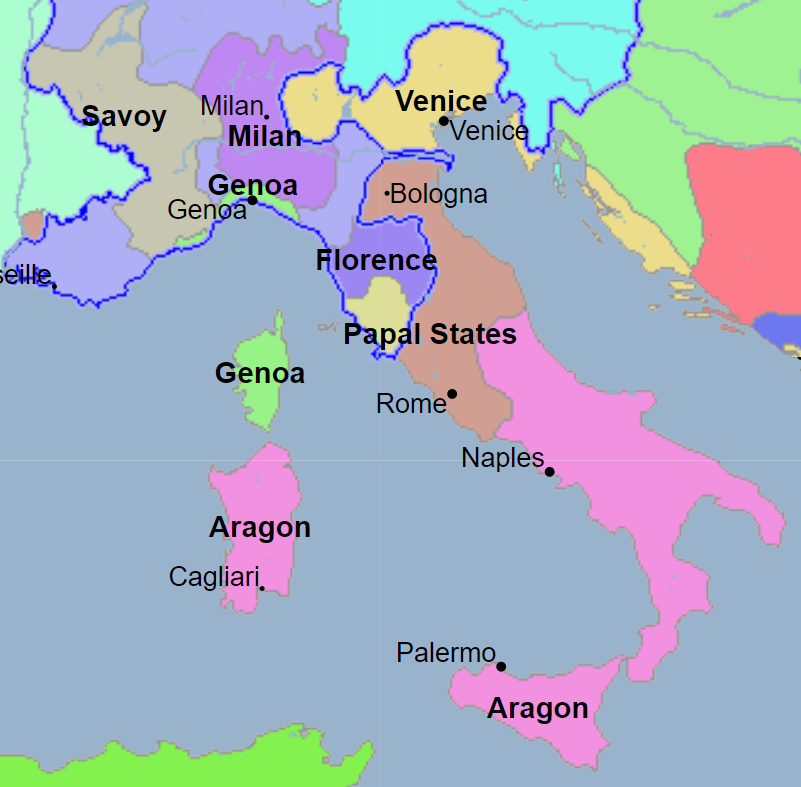
Powerful merchant families, like the Medici in Florence, became immensely wealthy through banking and trade. They had money to spend, and they spent it on art, architecture, and scholarship, becoming patrons who funded the brilliant minds of the age. This environment created a competitive spirit where cities and families vied to produce the most beautiful and innovative works.
A New Worldview
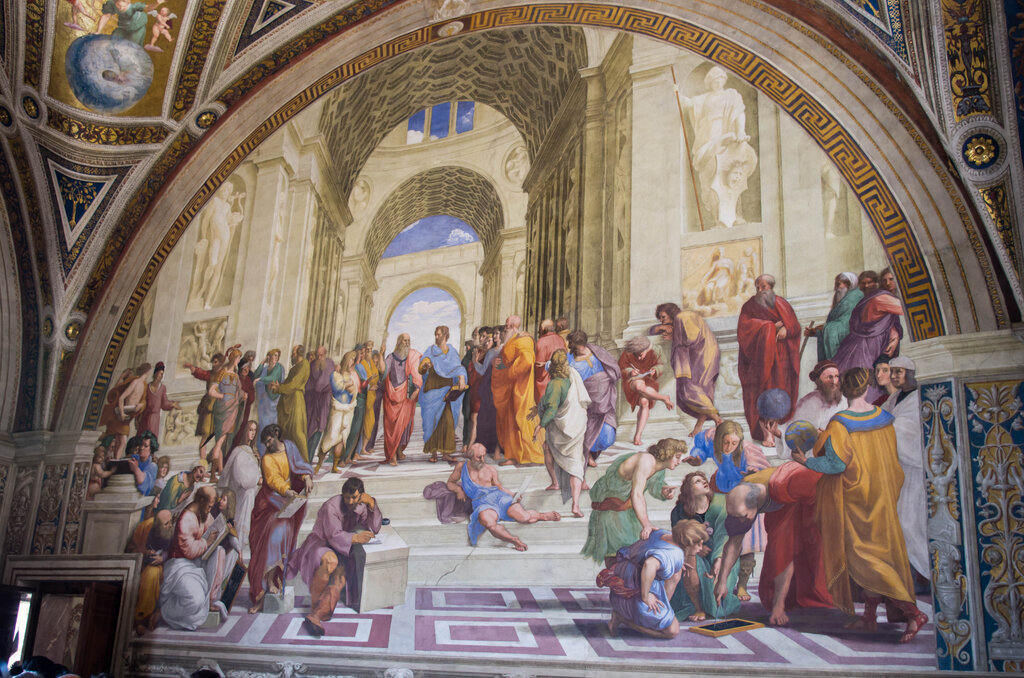
The Renaissance wasn't just about reviving old art styles; it was about a fundamental shift in thinking. The medieval worldview had been heavily focused on religion and the afterlife. The Renaissance brought a renewed focus on human experience in the here and now. This intellectual movement was called Humanism.
Humanism
noun
An intellectual movement that focused on human potential and achievements, emphasizing the study of classical literature, history, and philosophy.
Humanists believed that humans were capable of great things and that life on Earth should be cherished and explored. They didn't reject religion, but they argued that a person could be devout while also pursuing knowledge, art, and personal success. A major boost to this movement came in 1453, when the city of Constantinople fell to the Ottoman Empire. Greek scholars fled to Italy, bringing with them ancient manuscripts that had been lost to Western Europe for centuries.
From Italy to the World
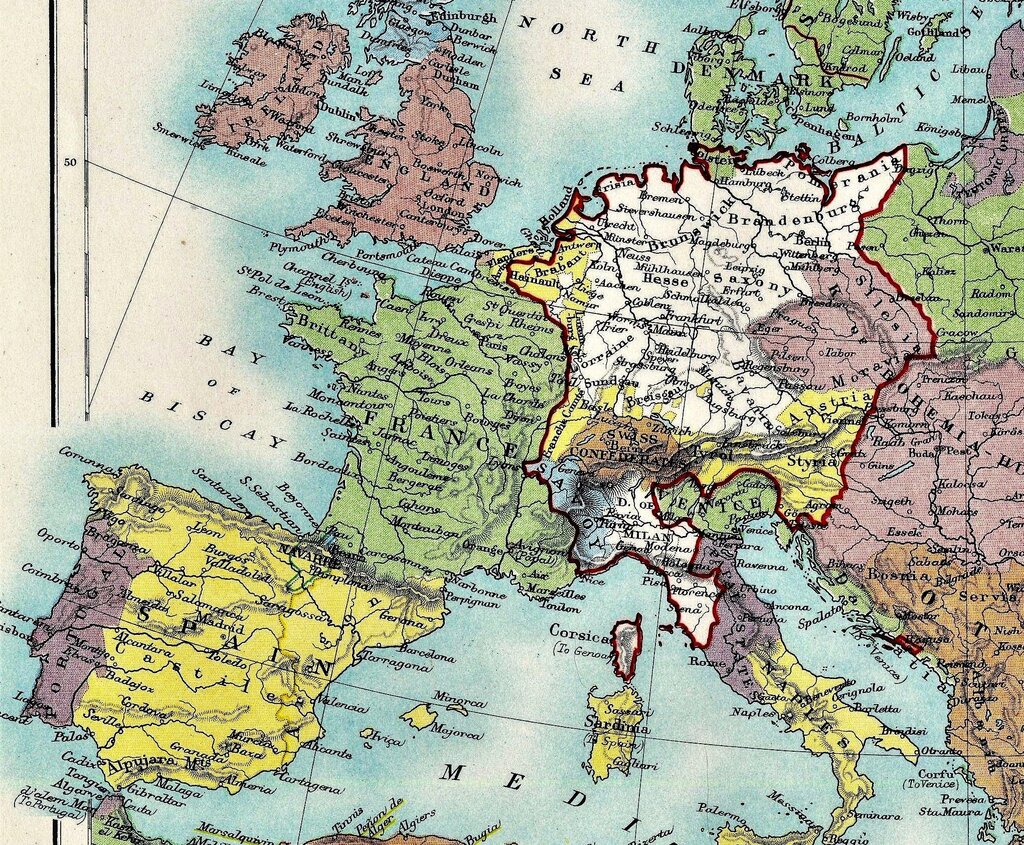
The ideas of the Renaissance couldn't be contained within Italy. They began to spread across the rest of Europe, transforming culture wherever they went. One of the biggest drivers of this spread was a revolutionary invention: the printing press. Around 1440, Johannes Gutenberg's machine made it possible to produce books quickly and cheaply. For the first time, knowledge was not just for the wealthy or the clergy. It was accessible to a growing literate public.
The printing press allowed new ideas, from scientific discoveries to religious debates, to travel farther and faster than ever before.
Trade, travel, and even wars also helped carry Renaissance ideas northward. Artists from Germany and the Netherlands traveled to Italy to study, and Italian artists took commissions in France and Spain. But the Renaissance wasn't simply copied. Each region adapted it, creating its own distinct style. The Northern Renaissance, for example, was often more focused on detailed realism and religious reform.
This period laid the groundwork for the modern world. It sparked the scientific revolution, the Reformation, and the Age of Exploration, fundamentally changing how people saw themselves and their place in the universe.