The Reign of Emperor Claudius
Claudius's Rise to Power
An Emperor by Accident
By January of AD 41, Rome had tired of its emperor. Caligula, the great-grandson of Augustus, had ruled for just under four years. His reign began with promise but descended into tyranny and absurdity. He alienated the Senate, executed political rivals, and emptied the treasury with lavish projects. His behavior became so erratic that he reportedly planned to make his favorite horse, Incitatus, a consul.
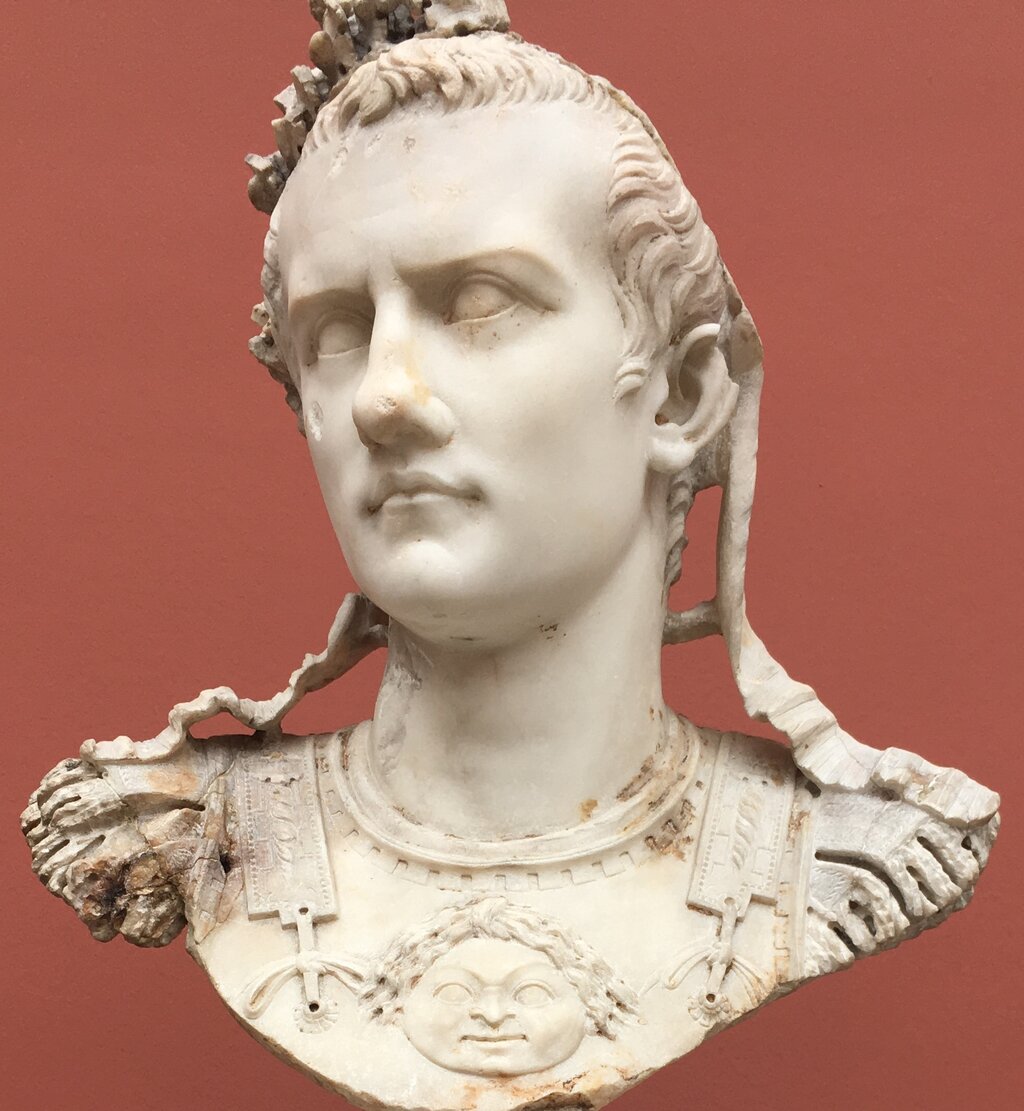
The breaking point came when a conspiracy of Praetorian Guard officers, senators, and equestrians decided to act. On January 24, as Caligula left a theater, officers of his own guard cornered him in a palace corridor and stabbed him to death. His wife and young daughter were also murdered, extinguishing his direct line and throwing the future of Rome into chaos.
With the emperor dead, the Senate saw a chance to restore the old Republic. But the Praetorian Guard, the elite soldiers who served as the emperor's bodyguards, had other plans.
Amid the confusion, a lone member of the imperial family remained in the palace: Tiberius Claudius Nero Germanicus. He was Caligula's uncle, the brother of the celebrated general Germanicus, and the grandson of Mark Antony. Yet, no one had ever considered him a contender for power. Afflicted with a limp and a stammer, he was dismissed by his family as a bumbling invalid and kept far from public life. This very obscurity, however, became his greatest asset. While others were eliminated in court intrigues, Claudius survived because he was never seen as a threat.
Found Behind a Curtain
The story of his discovery is one of history’s great ironies. As Praetorian Guardsmen looted the palace after Caligula's murder, a soldier named Gratus reportedly found the 50-year-old Claudius hiding behind a curtain, terrified for his life. He expected to be killed next.
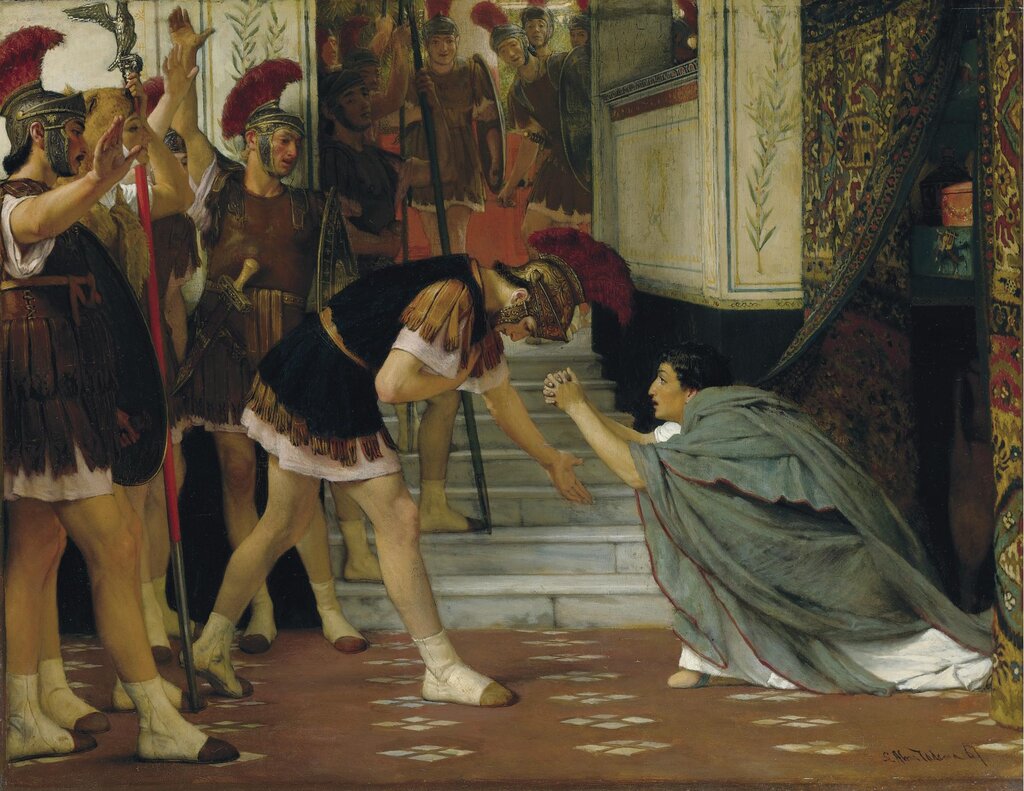
But the guards didn't see a victim; they saw an opportunity. An emperor legitimized the Praetorian Guard's power and ensured their continued high pay and status. A restored Republic did not. Instead of killing Claudius, they hailed him as emperor. They escorted him to the safety of the Praetorian camp, effectively making their choice before the Senate could make its own.
Tiberius Claudius Nero Germanicus (10 BC - AD 54) became the unlikely 4th emperor of the Julio-Claudian line after the violent murder of his nephew, Gaius (Caligula).
The Senate was furious but powerless. They debated restoring the Republic, but they had no army. The Praetorians had both the new emperor and the only significant military force in the city. Reluctantly, the senators confirmed Claudius's accession. He was now the most powerful man in Rome, a position he had never sought and was seemingly unprepared for.
Securing the Throne
Claudius's first challenge was survival. He knew his position was precarious. To solidify his rule, he moved quickly and shrewdly, proving he was far more capable than anyone believed.
First, he rewarded his kingmakers. He gave each Praetorian Guard a bonus of 15,000 sesterces, a massive sum. This was the first time an emperor explicitly paid the army for its loyalty upon his accession, setting a powerful and dangerous precedent for future successions.
Next, he dealt with the assassins. He executed the primary conspirators who killed Caligula, showing that murdering an emperor, even a hated one, would not go unpunished. However, he wisely pardoned the others involved, avoiding a widespread purge that could have destabilized his new government.
Finally, he extended an olive branch to the Senate. He declared he would share power, treated senators with respect, and recalled exiles banished by Caligula. He publicly burned Caligula's records of treason trials, signaling a new era of cooperation. While the Senate never fully trusted the emperor forced upon them, these early actions calmed their immediate hostility and allowed Claudius to begin the business of governing.
Through a combination of bribery, targeted justice, and diplomacy, the man once considered a fool secured his grip on the Roman Empire.
Ready to test your knowledge on Claudius's surprising path to power?
What group was primarily responsible for the assassination of Emperor Caligula?
Why did the Praetorian Guard declare Claudius the new emperor?
Claudius's unexpected accession marked a pivotal moment in Roman history, demonstrating that imperial power now rested not with the Senate, but with the military that could make—or break—an emperor.