The Quest for the Northwest Passage
Early European Explorations
The Race Westward
After Christopher Columbus sailed west and bumped into the Americas instead of Asia, European powers realized two things. First, there was a massive, resource-rich continent up for grabs. Second, this new landmass was blocking the coveted sea route to the spices and silks of the East.
This set off a new scramble. Instead of just getting to Asia, the goal now was to find a way through or around North America. The search for this hypothetical shortcut, a sea lane connecting the Atlantic to the Pacific, became an obsession. England and France, eager to break the Spanish and Portuguese dominance on the seas, were determined to find it first. This elusive route became known as the Northwest Passage.
England's First Claim
England's first major player in this race was an Italian mariner named Giovanni Caboto, known to the English as John Cabot. With the backing of King Henry VII, Cabot set sail from Bristol in 1497 aboard a small ship, the Matthew. His mission was simple: find a westward route to Asia.
After about five weeks at sea, he made landfall somewhere on the coast of North America, most likely in what is now Newfoundland or Cape Breton Island. Like Columbus, Cabot believed he had reached the northeastern shores of Asia. He didn't find silks or spices, but he did find seas teeming with codfish. He claimed the new land for England, planting a flag that marked the beginning of the British Empire in North America.
Cabot's voyage didn't uncover the Northwest Passage, but it established England's claim to a foothold in the New World and sparked further English interest in exploration.
France Explores a Great River
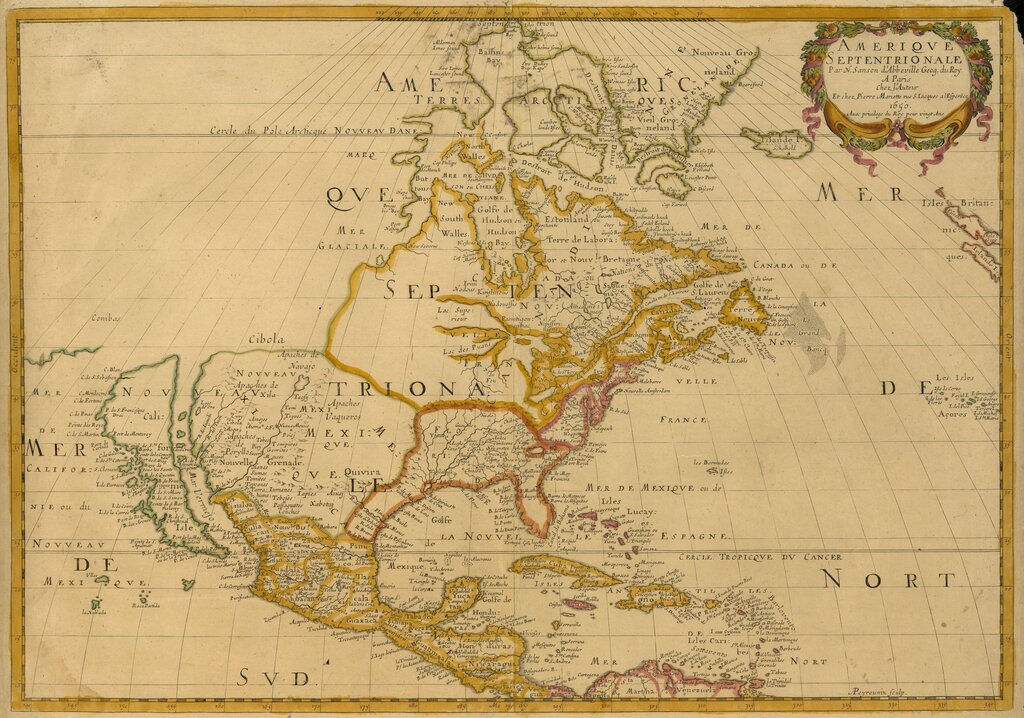
Not to be outdone, France sent its own explorer, Jacques Cartier. Between 1534 and 1542, Cartier made three voyages to North America. On his first trip, he explored the Gulf of St. Lawrence, convinced he was on the verge of finding the passage to Asia.
His second voyage was the most significant. He sailed up the mighty St. Lawrence River, a vast waterway that seemed to cut deep into the heart of the continent. Guided by his Iroquoian hosts, he reached the village of Stadacona (modern-day Quebec City) and pushed farther to Hochelaga (modern-day Montreal). There, his progress was halted by a series of impassable rapids. In a mix of frustration and wishful thinking, they were later named the Lachine Rapids, from the French la Chine (China).
Cartier never found the passage, but his exploration of the St. Lawrence gave France a strong claim to a huge swath of North America, which would later become New France.
The Arctic Labyrinth
With southern routes blocked, attention turned north to the icy, unknown waters of the Arctic. This marked a new, more dangerous phase in the search.
Martin Frobisher, an English privateer, led three expeditions between 1576 and 1578. He sailed into a large inlet on Baffin Island, which he confidently named Frobisher Strait, believing it was the entrance to the Northwest Passage. His mission was sidetracked when he found ore that he mistakenly thought contained gold. His subsequent voyages focused on mining this worthless "gold," and his expeditions ended in financial ruin.
A few years later, in 1583, Sir Humphrey Gilbert formally claimed Newfoundland for Queen Elizabeth I, establishing England's first overseas colony. His primary goal was to set up a base for further searches for the passage, but his expedition was ill-fated. Gilbert and his ship were lost in a storm on the return voyage.
Following Gilbert, another Englishman, John Davis, made the next serious attempt. Between 1585 and 1587, Davis meticulously charted the Arctic waters. He explored the strait that now bears his name, sailing up the western coast of Greenland and into Cumberland Sound on Baffin Island. While he didn't find the passage, his careful navigation and detailed logs provided crucial knowledge for future explorers. He proved that Frobisher's "strait" was just a bay, but confirmed the existence of a promising sea between Greenland and Canada.
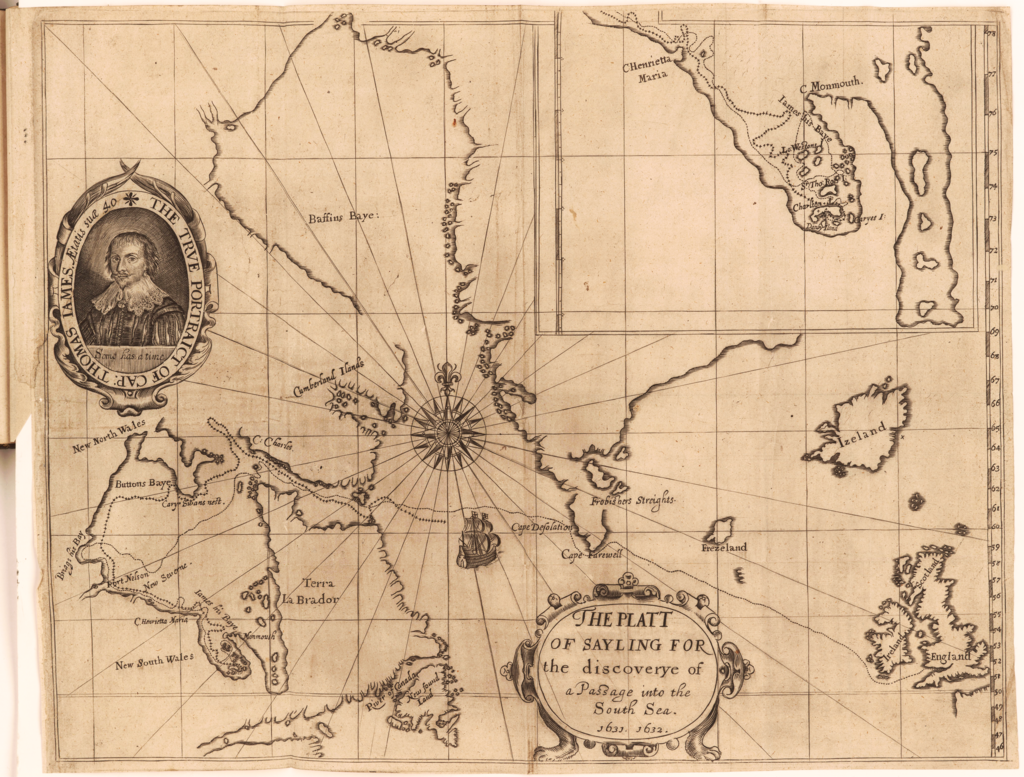
These early voyages were failures in their main objective. No one found a quick sea route to Asia. But they were foundational in another way. They mapped new coastlines, established European claims on the continent, and laid the groundwork for centuries of future exploration, trade, and conflict in North America.
What was the primary motivation for European powers like England and France to find the Northwest Passage?
What was the most significant outcome of John Cabot's voyage in 1497?
The dream of a Northwest Passage would lure explorers into the Arctic's icy maze for another 250 years, long after these initial forays.