The Quest for Immortality
Introduction to Life Extension
The Age-Old Quest
For millennia, humans have dreamed of living longer, healthier lives. Ancient myths are filled with fountains of youth and elixirs of immortality. Alchemists in the Middle Ages sought the philosopher's stone, not just to turn lead into gold, but to achieve eternal life. These early attempts were based on magic and hope, not science.
The real story of life extension began with the scientific and medical revolutions. The development of sanitation, vaccines, and antibiotics drastically reduced deaths from infectious diseases, dramatically increasing the average human lifespan. People weren't living to be 500, but far fewer were dying in childhood or from once-common illnesses.
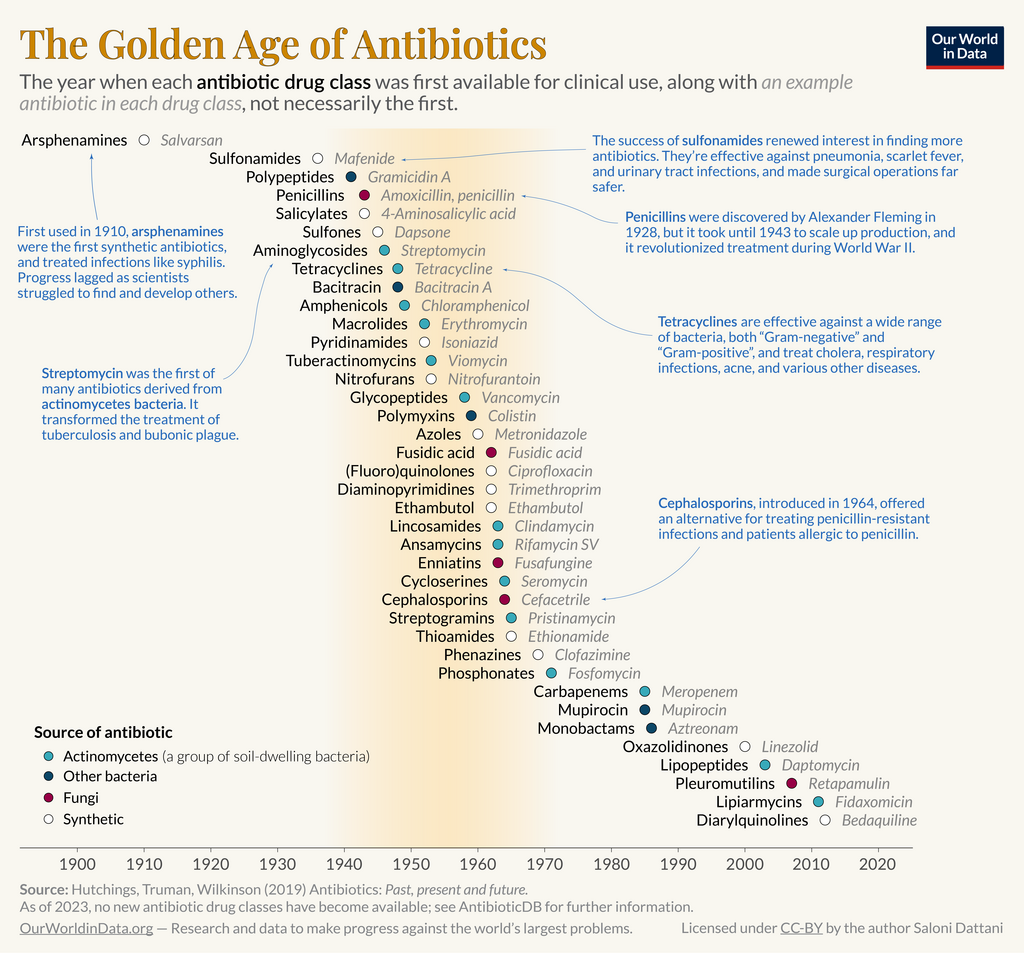
This success shifted the focus. Instead of just fighting diseases that kill us young, scientists began asking a new question: Can we slow down or even reverse the process of aging itself? This marked the transition from extending average lifespan to targeting the biological mechanisms of aging.
Why We Age
Aging isn't caused by a single thing. It’s a complex process resulting from the accumulation of damage at the molecular and cellular levels. Think of it like a car. Over time, parts wear out, rust develops, and systems become less efficient. Our bodies experience a similar, though much more intricate, decline.
Several key mechanisms are believed to drive aging. These are often called the “hallmarks of aging.”
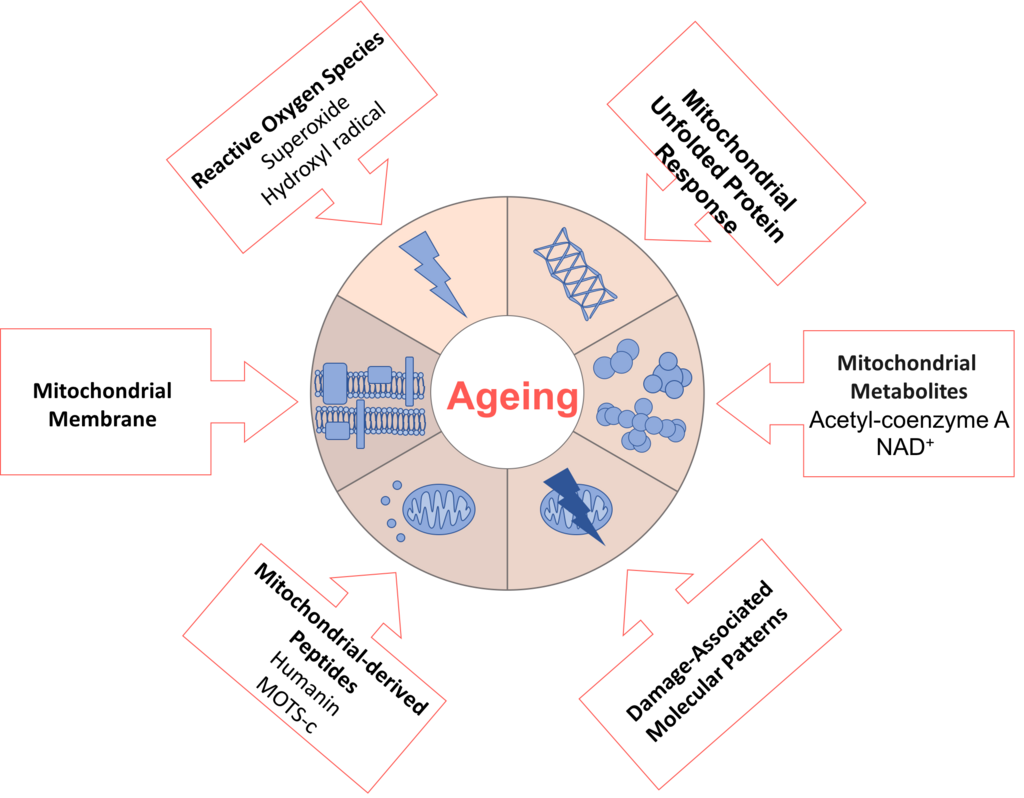
One major factor is cellular damage. Our cells' power plants, the mitochondria, become less efficient and produce more harmful byproducts called reactive oxygen species. These are unstable molecules that damage DNA, proteins, and other parts of the cell.
Another hallmark is cellular senescence. This happens when cells get so damaged they stop dividing. While this prevents them from becoming cancerous, these “zombie cells” stick around and release inflammatory substances that can harm neighboring healthy cells, contributing to age-related diseases.
Our DNA also takes a hit. The protective caps at the end of our chromosomes, called telomeres, shorten each time a cell divides. When they get too short, the cell can no longer divide and may die or become senescent.
The Frontier of Longevity
With a better understanding of why we age, scientists are now developing strategies to intervene in the process. The goal is not just a longer life, but a longer healthspan—the number of years we live in good health.
Current research focuses on several promising areas, from dietary interventions to advanced genetic therapies.
Caloric restriction, or simply eating less, has been shown to extend lifespan in many animal species. While challenging for humans to maintain, it has led to research into drugs that mimic its effects without the constant hunger.
Another exciting area is senolytics. These are drugs designed to seek out and destroy senescent “zombie” cells. In animal studies, clearing these cells has been shown to delay or improve age-related conditions like cataracts and cardiovascular disease.
Gene therapies represent an even more advanced frontier. Scientists are exploring ways to repair or replace genes associated with aging and disease, or to boost the body's natural repair mechanisms. This could involve targeting mitochondrial DNA to improve cellular energy production or using gene-editing tools to combat age-related genetic damage.
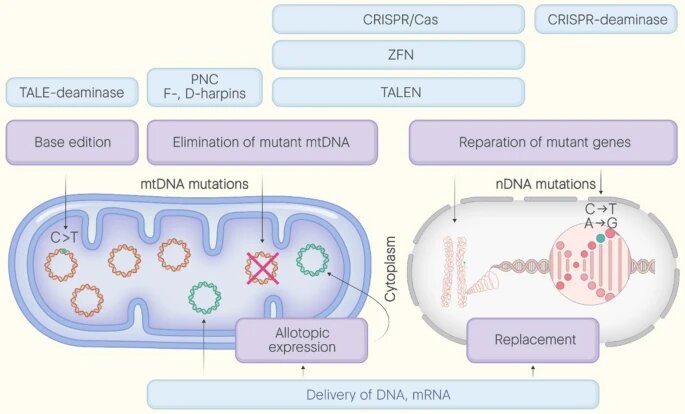
These strategies are still largely in the research and development phase. But they represent a fundamental shift in how we approach aging: from something to be passively accepted to a biological process that can be understood and potentially managed.
As research progresses, a balanced approach combining pharmaceuticals and healthy living may offer the best path forward for enhancing healthspan and longevity.
The ancient dream of a longer life is slowly moving from the realm of myth into the world of science. The focus today is less on immortality and more on adding healthy, vibrant years to our lives.