The Pure Spirit of Additive Free Tequila
Abocante Chemistry and Regulations
The Rules of Tequila
Every bottle of tequila is governed by a strict set of rules outlined in the Mexican Official Standard, NOM-006-SCFI-2012. This regulation ensures quality and authenticity. While it defines the familiar categories like Blanco and Reposado, it also allows for a practice called abocado, or mellowing. This process involves using additives, known as abocantes.
The key rule is the 1% allowance. Producers can add up to 1% of the total weight in additives without needing to disclose them on the label. This small percentage can significantly alter the spirit's taste, feel, and appearance, creating a distinction between a tequila that is mellowed and one that achieves its character solely through traditional aging.
The Four Permitted Additives
The NOM permits only four types of abocantes. Each serves a specific chemical purpose, from changing the texture to simulating the effects of time.
Glycerin: For Mouthfeel and Viscosity
Glycerin is a sugar alcohol that is colorless, odorless, and has a slightly sweet taste. Its primary role in tequila is to alter the texture, or mouthfeel. Chemically, glycerin is more viscous than ethanol and water. Adding it to tequila increases the liquid's overall viscosity.
This change has two effects. First, it makes the tequila feel smoother, rounder, and fuller in your mouth. It can mask the harshness of a young or quickly made spirit. Second, it creates the visual effect of "legs" or "tears"—the slow-moving drips that run down the inside of a glass after you swirl it. Thicker, slower legs are often associated with older, more complex spirits, and glycerin provides a shortcut to that appearance.
Next, we have additives that affect color and flavor.
Caramel Coloring: For Visual Manipulation
Caramel coloring (often listed as E150a) is used for one reason: to make a tequila look older than it is. A Blanco tequila is clear, while Reposados and Anejos gain their amber and brown hues from aging in oak barrels. Adding caramel color to a young tequila is a way to mimic this appearance without the time and expense of barrel aging.
While there are different classes of caramel coloring, the type used in tequila is designed to be color-intensive but flavor-neutral. It darkens the spirit to suggest complexity and maturity, fooling the eye into expecting the flavors of a well-aged product.
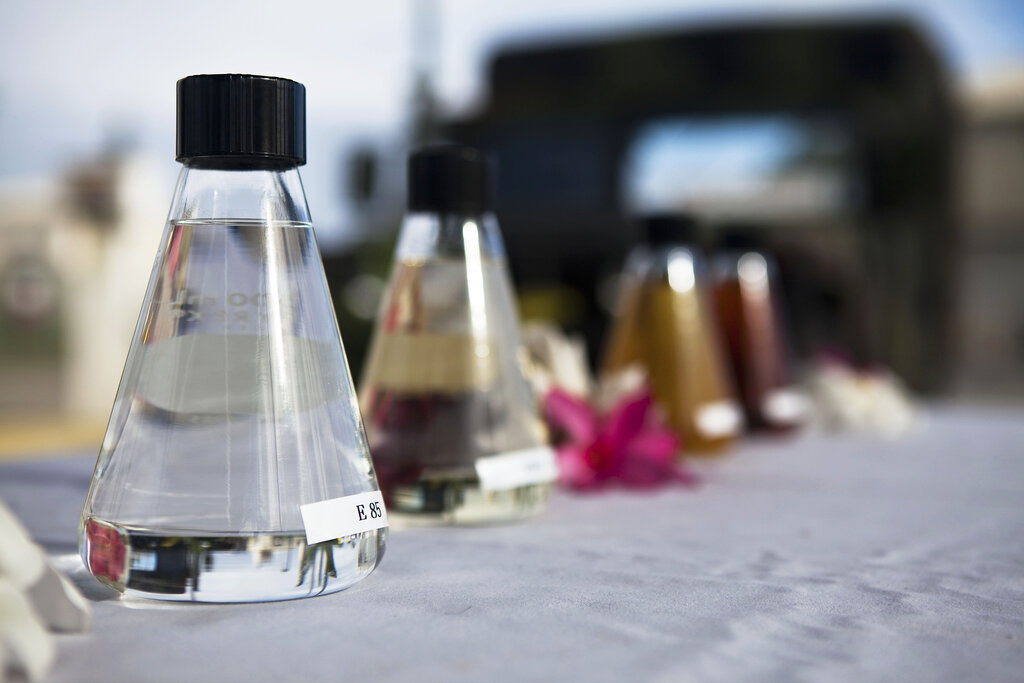
Oak Extract: For Simulated Aging
Oak extract provides a way to impart barrel-aged flavors in seconds. During traditional maturation, a spirit slowly extracts compounds like vanillin, tannins, and lactones from the wood of the barrel. This process takes months or years and involves complex oxidation reactions.
Oak extract is a concentrated liquid containing these same flavor compounds, which have been stripped from the wood using a solvent. Adding a few drops of this extract can give a young tequila the vanilla, spice, and woody notes characteristic of an Añejo. Common commercial extracts, like Robuvit, are derived from French or American oak. It's a highly efficient but one-dimensional way to mimic a slow, natural process.
Sugar-Based Syrups: For Artificial Sweetness
The final category is sugar-based syrups, or jarabes. This can include simple syrups from cane sugar or agave nectar. Their purpose is straightforward: to add sweetness.
Syrups can round out the flavor profile, making the tequila more palatable and masking any bitterness or aggressive alcohol notes. This allows producers to create a consistent, approachable product, though it can also obscure the natural flavors of the agave. A tequila that tastes intensely of vanilla or crème brûlée might owe its profile more to a carefully crafted syrup than to time spent in a barrel.
A Question of Character
The use of abocantes is a polarizing topic. Proponents argue that they help create consistency and a more approachable product for a wider audience. Critics contend that additives mask flaws and create a false impression of quality, moving the final product away from the true expression of the agave plant.
Understanding these four additives gives you a deeper insight into what might be in your glass. It highlights the difference between character developed through distillation and aging, and character that is designed with precise, targeted additions.
According to the Mexican Official Standard for tequila, what is the maximum percentage of additives by weight that can be added without being disclosed on the label?
A tequila producer wants to make their unaged spirit feel smoother and fuller in the mouth. Which of the four permitted additives would they use to achieve this effect?
Knowing about these additives helps you better understand the tequila you're drinking and what gives it its specific characteristics.