The Psychology of Shipping Costs
Introduction to Consumer Behavior
Why People Buy
Why do you choose one brand of coffee over another? What makes you decide to buy a new pair of shoes today instead of next week? These are the kinds of questions at the heart of consumer behavior, which is the study of how individuals, groups, and organizations select, buy, use, and dispose of goods, services, ideas, or experiences to satisfy their needs and wants.
Consumer Behavior
noun
The study of the processes involved when individuals or groups select, purchase, use, or dispose of products, services, ideas, or experiences to satisfy needs and desires.
Understanding this is crucial for any business. It's not just about selling a product; it's about understanding the person who's buying it. When companies know what motivates their customers, they can create better products, craft more persuasive marketing messages, and build more lasting relationships. It's the reason supermarkets place milk and eggs at the very back of the store. They know you'll have to walk past hundreds of other items to get them, increasing the chance you'll buy something else along the way.
The Psychology Behind the Purchase
Many purchasing decisions aren't as logical as we like to think. Our choices are deeply influenced by psychological factors, from our emotions to our hidden biases. Two key concepts help explain this internal world of the consumer.
First is cognitive dissonance. This is the mental discomfort you feel when you hold two conflicting beliefs, or when your actions don't match your beliefs. After making a big purchase, like a car, a buyer might feel a pang of regret. They then actively seek out positive reviews and information that confirms they made a smart choice, just to reduce that discomfort.
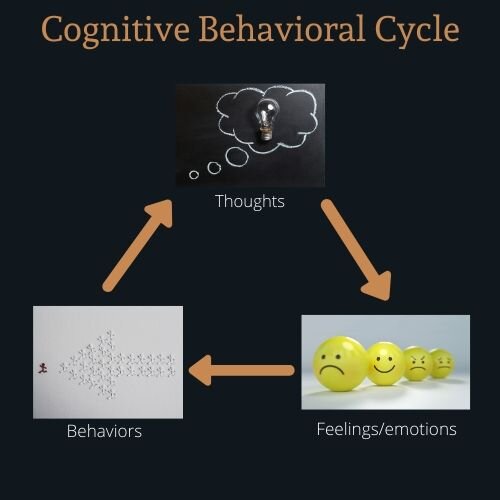
This cycle of thoughts, feelings, and behaviors drives many of our actions, including what we decide to buy.
Second is the theory of needs and motivation. We buy things to fulfill a need. Some needs are basic, like buying food when you're hungry. Others are more complex. Someone might buy a Volvo because they have a high need for safety. Another person might buy a Ferrari to satisfy a need for esteem and social status. The product is different, but the underlying psychological driver is the same: fulfilling a perceived need.
Influences on Our Choices
Our decisions are never made in a vacuum. A host of external factors constantly shape our choices, often without us even realizing it. These can be grouped into a few key categories.
| Factor Type | Description | Examples |
|---|---|---|
| Psychological | Internal factors related to the mind. | Motivation, perception, learning, beliefs. |
| Social | Influence from people around us. | Family, friends, reference groups, social status. |
| Cultural | The shared values of a society. | Culture, subculture, social class, trends. |
| Personal | Individual demographic and lifestyle factors. | Age, occupation, economic situation, personality. |
Think about the last time a friend recommended a restaurant. Their opinion is a social factor. You trust their judgment, so you're more likely to try it. That's a simple example of how our social circles influence our spending.
Similarly, cultural factors play a huge role. In some cultures, it's common to haggle over prices, while in others, it's considered rude. The clothes that are fashionable, the foods that are popular, and even the colors that are appealing are all shaped by our cultural background.
Now, let's check your understanding of these core ideas.
What is the primary focus of the study of consumer behavior?
A person buying a luxury sports car to gain admiration from their peers is most likely driven by a need for...
Grasping these fundamentals of why people buy is the first step. Now we can explore how businesses apply this knowledge to make specific decisions about things like pricing and product delivery.