The Psychology of Scratch-Off Tickets
Introduction to Gambling Psychology
The Allure of the Scratch-Off
Gambling is the act of wagering money or something of value on an event with an uncertain outcome, with the primary intent of winning additional money or material goods. It comes in many forms, from the flashing lights of a casino slot machine to a casual bet on a sports game with a friend.
gambling
verb
The practice of risking money or other stakes in a game or bet.
Among the most common forms of gambling are lotteries. And within that world, scratch-off tickets hold a special appeal. Unlike lotteries where you wait for a drawing, scratch-offs offer instant results. You buy a card, scrape off the coating, and find out immediately if you've won or lost. This immediacy is a key part of their psychological pull.
The Mind on Chance
Why is a simple piece of cardboard so compelling? The answer lies in our psychology. Gambling taps into our brain's desire for reward and our fascination with chance. But it also plays on a few mental shortcuts, or cognitive biases, that affect our thinking.
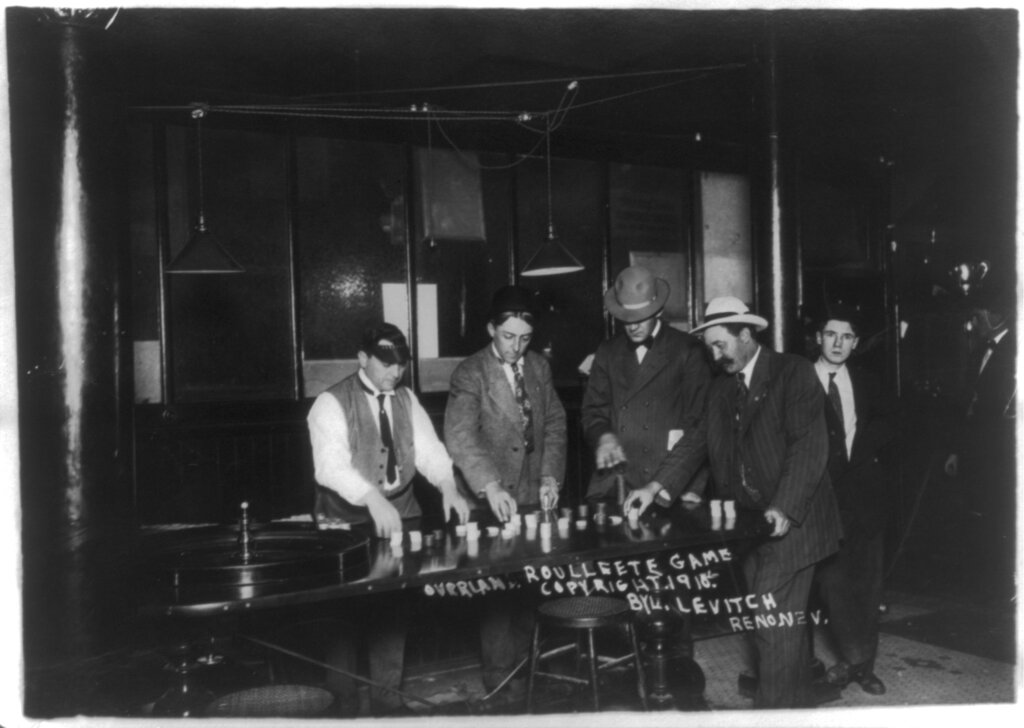
One of the most powerful biases at play is the illusion of control. This is the tendency for people to overestimate their ability to influence events that are actually random. When you're standing at the counter, do you just take the first scratch-off ticket, or do you ask for a specific one? Maybe you pick the third ticket in the roll, or one from a new batch. Do you have a lucky coin you use to scratch it?
These small choices create a feeling of agency. Even though the outcome is predetermined and completely random, the act of choosing makes us feel like we're part of the process, not just a passive participant. We feel like we've improved our odds, even when we haven't.
Hooked on 'Maybe'
Another key principle is intermittent reinforcement. Imagine a lab rat that gets a food pellet every time it presses a lever. Soon, it will only press the lever when it's hungry. Now, imagine the pellet comes out randomly. Sometimes it does, sometimes it doesn't. The rat will press the lever compulsively, never knowing when the next reward will come.
Humans are not so different. Unpredictable rewards are far more engaging than predictable ones. The constant possibility of a win, even a small one, keeps us coming back. Scratch-off tickets are a perfect example. Most are duds, but some offer small prizes, and a very, very few hold a life-changing jackpot. That 'maybe' is a powerful hook.
The gambler’s fallacy and illusion of control are compelling biases that can often lead to a strong urge to place ‘just one more bet’.
Understanding these psychological forces, the illusion of control and intermittent reinforcement, helps explain why a simple game of chance can be so captivating. It’s not just about the money; it’s about how the game interacts with the quirks of our minds.
Time to check your understanding of these core concepts.
A person believes that buying the fifth ticket in a new roll of scratch-offs will improve their odds of winning. This is a classic example of which psychological principle?
The psychological principle that makes gambling so addictive because rewards are given out unpredictably is known as ________.
These psychological principles form the foundation of why games of chance are designed the way they are.