The Psychology of Money Mindset
Understanding Money Mindset
What Is a Money Mindset?
Your relationship with money isn't just about dollars and cents. It's guided by a powerful, often invisible force: your money mindset. This is your unique set of beliefs, attitudes, and feelings about money. Think of it as the lens through which you view every financial decision, from buying a coffee to planning for retirement.
This internal script shapes your financial habits more than you might realize. It's built over a lifetime, pieced together from childhood experiences, family conversations, cultural messages, and personal victories or setbacks. It operates in the background, quietly influencing whether you see money as a source of stress or opportunity, scarcity or abundance.
Your relationship with money starts in your mind.
How Beliefs Shape Actions
The connection between what you believe and what you do is direct. If your mindset is built on the belief that money is hard to come by and disappears quickly, you might hoard cash and avoid investing, fearing any potential loss. On the other hand, if you believe money is a tool for growth, you might be more inclined to learn about investing and take calculated risks to build wealth.
These core beliefs create a cycle. Your thoughts about money stir up emotions like fear, excitement, or anxiety. Those feelings then drive your behaviors, like impulse spending or disciplined saving. The results of those behaviors then reinforce your original beliefs, locking the cycle in place.
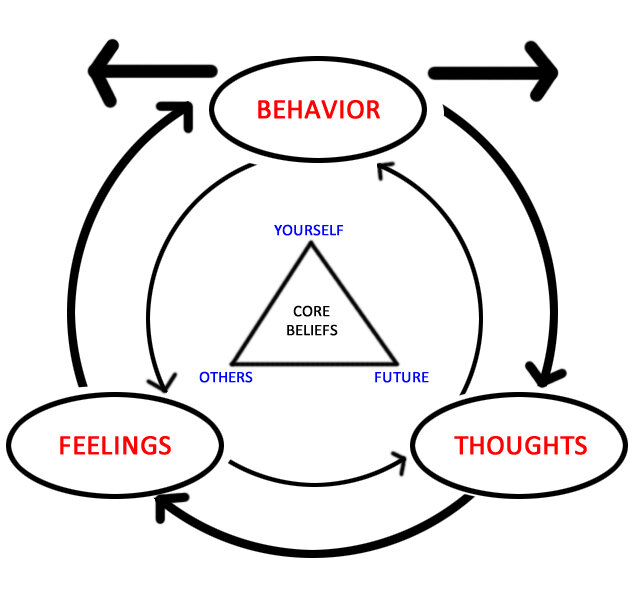
This isn't just folk wisdom; it's rooted in psychology. Our financial choices are rarely as rational as we'd like to think.
The Psychology of Money
The field of behavioral economics combines psychology and economics to understand why we make the financial decisions we do. It shows that our choices are often swayed by cognitive biases, which are mental shortcuts or patterns of thinking that can lead to irrational decisions.
For example, confirmation bias might cause you to seek out information that supports your existing negative beliefs about the stock market, while ignoring evidence to the contrary. This reinforces a fearful mindset and prevents you from exploring investment opportunities.
Another powerful concept is loss aversion. Psychologically, the pain of losing $100 is often much stronger than the pleasure of gaining $100. This bias can make people overly conservative with their money, choosing to avoid any risk of loss even if it means missing out on significant potential gains. It's a key reason why some people prefer to keep their savings in a low-interest account instead of investing for long-term growth.
Understanding that these psychological forces are at play is the first step. Your money mindset isn't fixed. It's a perspective, and by recognizing what shapes it, you can begin to see your financial world more clearly.