The Psychology of Gambling and Addiction
Introduction to Gambling Psychology
Why We Gamble
People gamble for a host of reasons, and winning money is only part of the story. For many, it's a form of entertainment, no different from buying a movie ticket or going to a concert. It's a way to spend time and enjoy a specific atmosphere.
The thrill of risk is another powerful motivator. The uncertainty of the outcome—the moment the roulette wheel slows down or the final card is turned over—creates a rush of excitement and suspense. This feeling can be a compelling escape from the routines of daily life.
Gambling is also often a social activity. A poker night with friends or a trip to a casino can be about camaraderie and shared experience. It provides a structured way to interact with others. For some, it can also be a way to temporarily forget personal problems, offering a distraction from stress or worry.
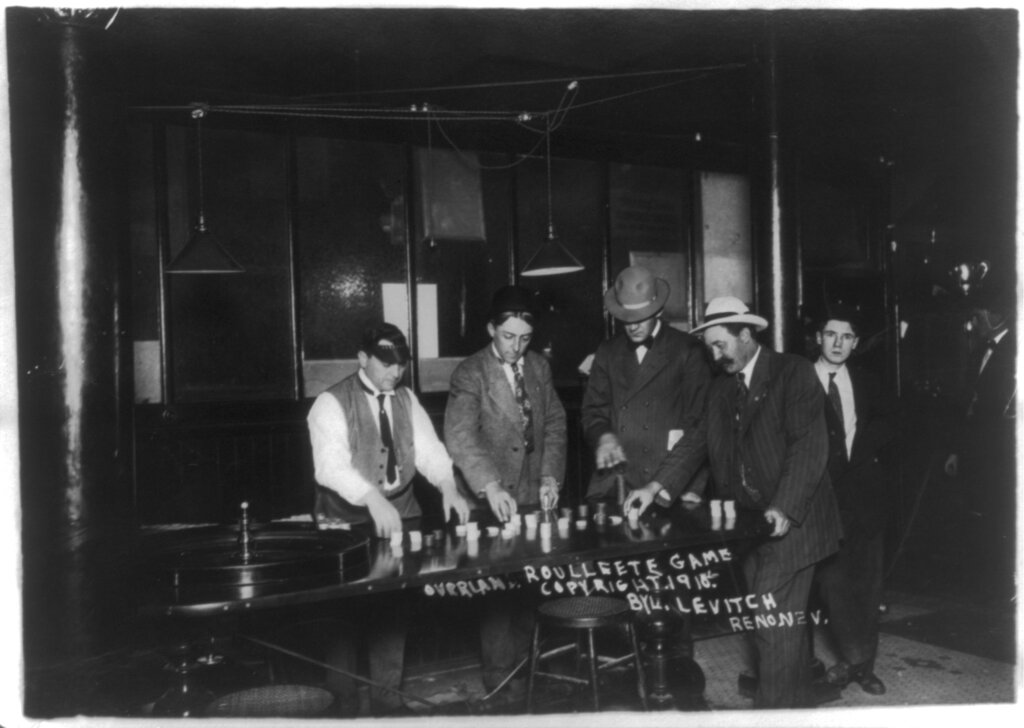
The Mind's Tricks
Our brains use mental shortcuts, or biases, to make quick judgments. While often useful, these shortcuts can lead us astray, especially in situations involving chance. In gambling, these cognitive biases can create a distorted sense of reality.
The Gambler's Fallacy is the mistaken belief that past random events influence future ones. If a coin lands on heads five times in a row, many feel that tails is 'due.' But the coin has no memory; the probability remains 50/50 on every toss.
Another powerful bias is the Illusion of Control. This is the belief that we can exert influence over chance-based outcomes. People might blow on dice, press a slot machine button in a specific way, or wear a lucky charm, thinking these actions will improve their odds. In reality, the outcome of a random game is just that—random.
Then there's the Near-Miss Effect. When you almost win—like getting two out of three cherries on a slot machine—your brain processes it more like a win than a loss. This feeling of being close encourages continued play, even though a near miss is financially identical to a complete loss.
The Unpredictable Reward
The psychological principle that makes gambling so compelling is known as a reinforcement schedule. Reinforcement is anything that makes a behavior more likely to be repeated. Gambling uses the most powerful schedule of all: the variable-ratio schedule.
Here’s how it works:
- Ratio: You are rewarded based on the number of times you perform an action (e.g., placing a bet).
- Variable: The reward is unpredictable. You don't know which bet will win. It could be the next one, or it could be the one after a hundred more tries.
This unpredictability is the key. Because the win could come at any moment, it creates a high, steady rate of behavior. There are no predictable pauses in betting, because the next play might be the one. This is why slot machines, which give out small, unpredictable rewards, are known to be particularly compelling.
Aside from winning money, which of the following is described as a primary motivation for gambling?
A gambler wearing a 'lucky' hat to a poker game is demonstrating which cognitive bias?
Understanding these psychological drivers—our motivations, our mental biases, and our response to rewards—is the first step in seeing why gambling holds such a powerful appeal for so many.