The Psychology of Gambling and Addiction
Introduction to Gambling Psychology
What Is Gambling?
At its core, gambling is straightforward: you risk something of value, usually money, on an event with an uncertain outcome. The hope is to win something of greater value. This simple act takes many forms, from buying a lottery ticket at a corner store to playing a high-stakes poker game. It includes slot machines, sports betting, casino table games, and the endless options available online.

While the activities vary, the fundamental components are the same: a wager, an element of chance, and a potential prize. What makes it so compelling, and for some, so problematic, lies in the psychology behind the bet.
Why People Gamble
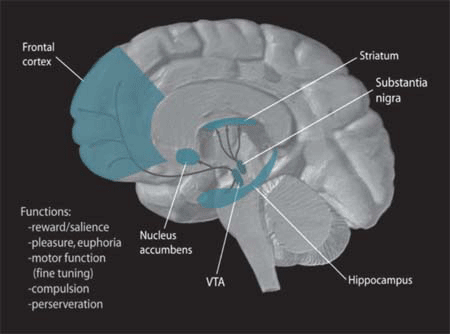
The reasons people gamble go far beyond the simple desire to win money. For many, it's about the thrill. The uncertainty of the outcome, the moments of anticipation before a card is turned or a wheel stops spinning, can be intensely exciting. This feeling is tied to a powerful chemical in our brain: dopamine.
Dopamine is often called the "feel-good" neurotransmitter. It's released when we experience something pleasurable, like eating a good meal or achieving a goal. In gambling, the brain releases dopamine not just when you win, but in anticipation of a potential win. The near-misses and the possibility of a big payout are enough to create a rewarding neurological loop that keeps people coming back.
Gambling can also be a social activity. A weekly poker night or a trip to a casino with friends is a way to bond and share an experience. Others are drawn to gambling as a form of escape. When feeling stressed, anxious, or bored, the immersive nature of a game can offer a temporary distraction from real-world problems.
For many, gambling isn't just a chance to win—it's a source of excitement, a social pastime, or a temporary escape from daily life.
The Mind's Tricky Shortcuts
Our brains use mental shortcuts, or cognitive biases, to make quick judgments. In most situations, they're helpful. But in the world of chance, these biases can lead us astray and reinforce gambling behavior.
Gambler's Fallacy
noun
The mistaken belief that if a particular event has occurred more frequently than normal in the past, it is less likely to happen in the future.
This bias makes us see patterns where none exist. Each spin of a roulette wheel is an independent event. The wheel has no memory of past results. Another common bias is the Illusion of Control. This is the tendency to overestimate our ability to influence events that are actually random. A gambler might wear a "lucky" shirt or throw dice in a specific way, believing these actions can change the outcome. While harmless on their own, these rituals reinforce the false idea that skill can overcome pure chance.
Near-misses are particularly powerful. When you almost win, your brain responds similarly to an actual win, releasing dopamine and encouraging you to try again. This "almost won" feeling can be even more motivating than losing by a large margin.
Impact on Mental Health
While many people can gamble recreationally without issue, for others it can have serious consequences for mental health. The relationship often works both ways: people with existing mental health conditions like depression or anxiety may be more vulnerable to developing a gambling problem, and problem gambling can, in turn, worsen these conditions.
The financial strain from gambling losses is a major source of stress, leading to feelings of guilt, shame, and hopelessness. Gamblers may hide their behavior from loved ones, leading to social isolation and damaged relationships. The constant cycle of chasing losses—betting more to try to win back what was lost—creates a state of chronic stress and anxiety. Over time, this can disrupt sleep, appetite, and overall well-being, creating a difficult cycle to break.
Let's review the key ideas from this section.
What are the three fundamental components that define an activity as gambling?
In the context of gambling, the brain's release of dopamine is most strongly associated with which of the following?
Understanding these psychological factors doesn't mean gambling is inherently bad, but it does highlight why it can be a risky activity for some. The brain's reward system and its cognitive biases can create a powerful pull that goes beyond simple fun.