The Psychology of Gambling and Addiction Prevention
Introduction to Gambling Psychology
The Brain on Chance
Why do we gamble? It's a question that goes deeper than just the desire to win money. The appeal of gambling is rooted in our brain's fundamental wiring, specifically its reward system. This network of brain structures is designed to keep us seeking things that are good for our survival, like food and social connection. When we do something rewarding, the brain releases a chemical called dopamine.
Dopamine is often called the "pleasure chemical," but that's not the whole story. It's more about motivation and anticipation. It's the chemical that says, "Hey, that was good. Let's do it again." Gambling activities tap directly into this system. The anticipation of a potential win, the flashing lights, and the sounds of a casino all trigger a dopamine release. This creates a powerful reinforcement loop, teaching your brain to associate gambling with a feeling of reward.
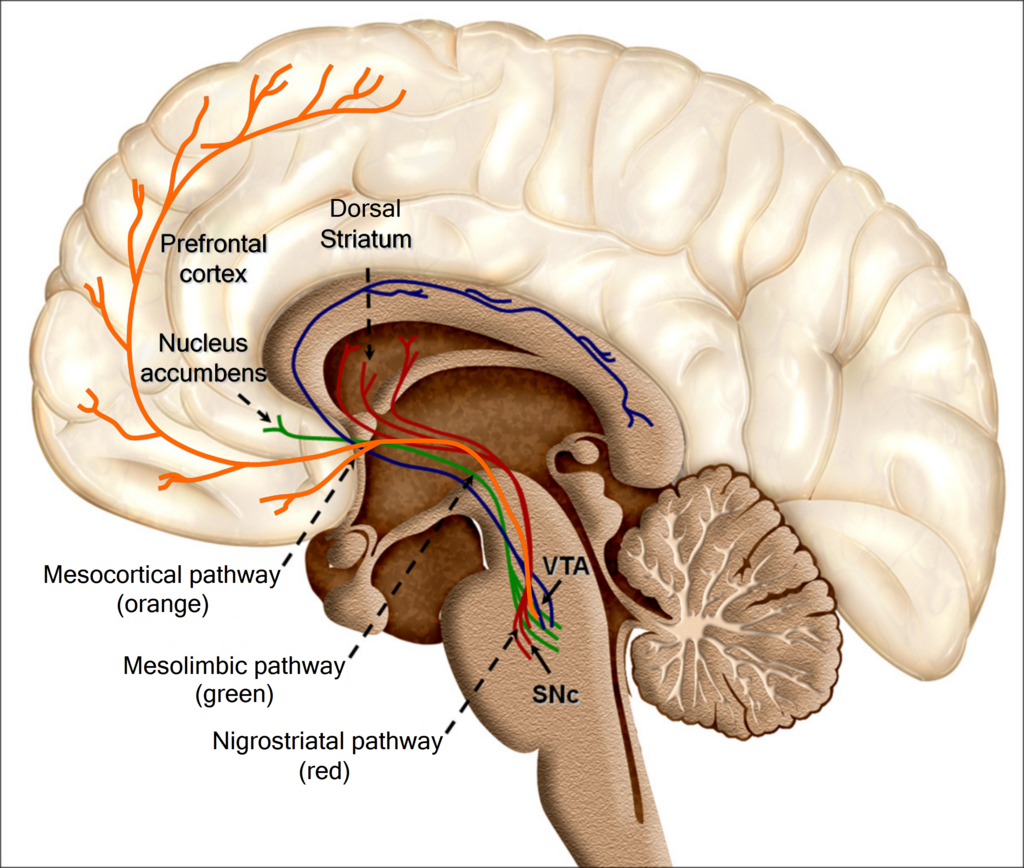
Every time a card is turned, a die is rolled, or a slot machine reel spins, there's a surge of dopamine linked to the possibility of a win. This happens whether you win or lose. The brain becomes hooked on the anticipation itself, not just the outcome. This chemical reinforcement makes it compelling to keep playing, even when you're losing.
Some research shows that compulsive gambling may be linked to dopamine release in the brain, similar to addiction to a substance.
Thinking in Loops
Our brains are built to find patterns and make sense of the world. This is incredibly useful for navigating daily life, but it can lead us astray in situations governed by pure chance. Gambling exploits these cognitive shortcuts, creating powerful illusions of control or predictability. These mental errors are known as cognitive distortions.
Gambler's Fallacy
noun
The mistaken belief that if a particular event has occurred more frequently than normal during the past, it is less likely to happen in the future (or vice versa).
Imagine a roulette wheel. The ball has landed on red five times in a row. The gambler's fallacy makes you think, "Black is due next!" But the wheel has no memory. The odds of the ball landing on black are exactly the same on every single spin, regardless of previous outcomes. Each spin is an independent event. This fallacy creates a false sense of predictability where none exists, encouraging people to place bets based on past results.
Another powerful distortion is the "near-miss effect." This happens when you almost win, like getting two out of three cherries on a slot machine or having a horse you bet on come in second place. To your brain, a near miss feels almost like a win. It activates the same reward pathways, releasing a small hit of dopamine and encouraging you to think, "I'm so close! I should try again."
A near miss doesn't signal failure; it signals that you're on the right track. This illusion keeps players engaged and hopeful, even in the face of repeated losses.
Feeling the Stakes
Gambling isn't just a mental game; it's an emotional one. Our feelings can act as powerful triggers that influence the decision to gamble. For some, gambling is a way to escape stress, anxiety, or boredom. The focused, high-stakes environment provides a temporary distraction from other problems.
For others, it's about chasing a feeling. The thrill and excitement of a potential big win can be an intoxicating emotional high. This emotional rush can cloud rational judgment, making it easier to take bigger risks than you normally would. When emotions drive decisions, the logical understanding of odds and probability often takes a backseat. This interplay between emotion, cognitive bias, and brain chemistry is what makes gambling such a compelling and potentially risky activity.
Let's test your understanding of these psychological forces.
What is the primary role of the chemical dopamine in the context of gambling?
A coin has been flipped five times, landing on 'heads' each time. According to the gambler's fallacy, what is a person likely to believe about the next flip?
Understanding the psychology behind gambling reveals that it's not just about luck. It's about how our brains are wired for reward, how our thinking can trick us, and how our emotions influence our choices.