The Psychology of Gambling and Addiction Prevention
Introduction to Gambling Psychology
The Mind at Play
Why do people gamble? The chance to win money is the obvious answer, but the real reasons go much deeper, into the wiring of the human brain. Gambling's appeal isn't just about logic or odds; it's a powerful mix of brain chemistry, emotional triggers, and subtle thinking traps that can make it incredibly compelling.
Understanding these psychological forces is key to seeing how a casual game can sometimes become a powerful habit. It's not a matter of weakness, but a predictable response to a very carefully designed experience, whether it's a lottery ticket, a slot machine, or a poker game.
The Brain's Reward System
At the heart of gambling's appeal is a neurotransmitter called dopamine. You might have heard it called the “feel-good” chemical, but its role is more about motivation and anticipation than pure pleasure. When you anticipate a rewarding event, your brain releases dopamine, pushing you to act. The bigger the potential reward, the bigger the dopamine rush.
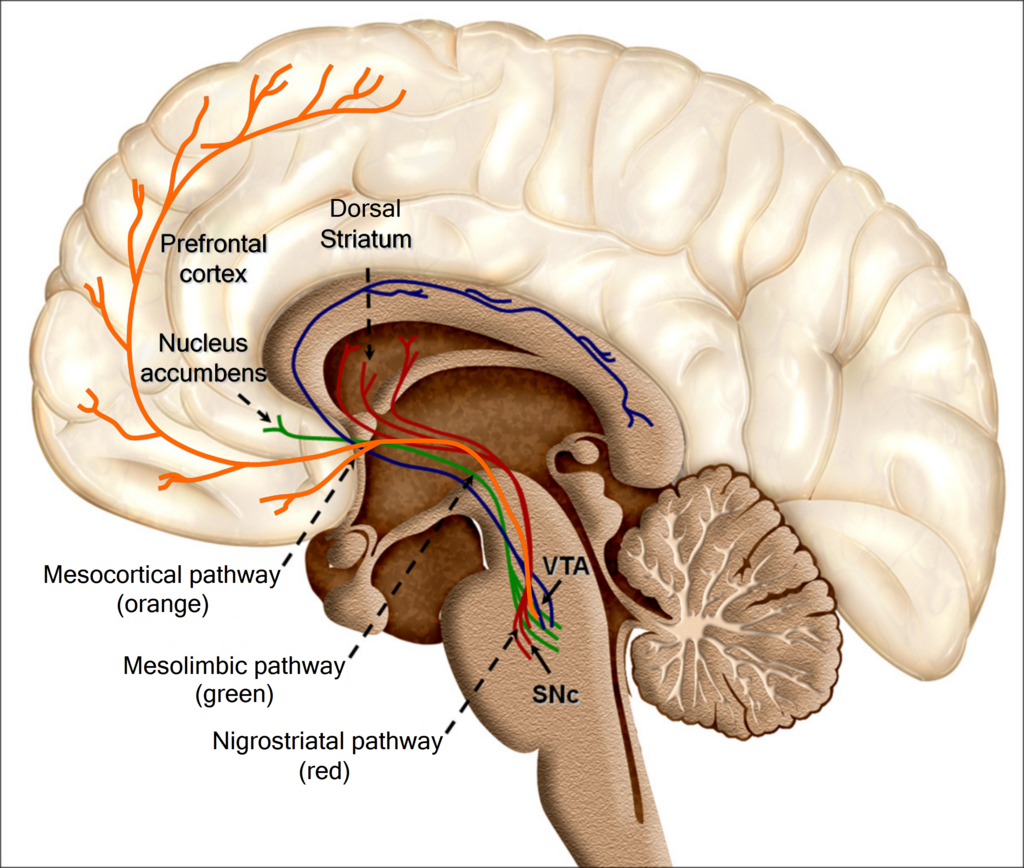
Gambling creates a perfect storm for dopamine release. The uncertainty of the outcome—the spin of the wheel, the turn of a card—supercharges this system. Your brain isn't just releasing dopamine when you win. It releases it in anticipation of a win. Even a near-miss, like getting two out of three cherries on a slot machine, can trigger a dopamine hit that encourages you to try again.
This cycle of anticipation and intermittent rewards creates a powerful feedback loop, training the brain to seek out the gambling experience again and again.
Thinking Traps
Our brains are designed to find patterns, even in random noise. This can be a useful survival skill, but in the context of gambling, it leads to cognitive distortions—flawed ways of thinking that make us feel more in control than we actually are.
Gambler's Fallacy
noun
The mistaken belief that if something happens more frequently than normal during a given period, it will happen less frequently in the future (or vice versa).
Another common trap is the Illusion of Control. This is the tendency to overestimate our ability to influence events that are actually random. Kissing the dice before a roll, wearing a “lucky” shirt, or choosing your own lottery numbers instead of using a quick pick are all examples. These actions give a false sense of agency, making the game feel more like a skill than pure chance.
The Near-Miss Effect, mentioned earlier, is another powerful distortion. When you almost win, your brain interprets it not as a loss, but as evidence that you're getting close. This feeling is often more frustrating—and more motivating—than a clear loss, driving you to place another bet immediately.
Simply learning to recognise these biases in your own gambling can help you make better decisions about whether to play on or walk away.
Emotional Triggers
Gambling isn't just a cognitive exercise; it's an emotional one. Our feelings often play a significant role in the decision to gamble and how we behave while doing it.

Many people use gambling as a form of escape. When feeling stressed, bored, lonely, or anxious, the immersive nature of a game can provide a temporary distraction from negative feelings. The intense focus required can silence worrying thoughts for a little while.
On the other hand, strong emotions can lead to risky decisions. One of the most dangerous patterns is chasing losses. After losing money, a person might feel desperate or angry and begin placing larger, riskier bets in an attempt to win it all back. This behavior is driven by emotion, not logic, and often leads to even greater financial trouble.
Time to check your understanding of the psychology behind gambling.
What is the primary role of the neurotransmitter dopamine in the context of gambling?
A lottery player insists on buying tickets from the same store and choosing their own numbers every week instead of using a random quick pick. This behavior is a classic example of what cognitive distortion?
Recognizing these psychological factors—the brain's reward system, common thinking traps, and emotional triggers—provides a clearer picture of why gambling is so captivating and how it can become a problem.