The Psychology of Gambling and Addiction Prevention
Introduction to Gambling Psychology
The Basics of Betting
At its core, gambling is the act of wagering something of value on an event with an uncertain outcome, hoping to win something of greater value. It's a simple concept that takes many forms, from a casual lottery ticket purchase to a high-stakes poker game.
Gambling
noun
The practice of risking money or other stakes on an event with an uncertain outcome.
Gambling isn't a single activity but a broad category of games and wagers. Some rely almost entirely on chance, while others involve a significant degree of skill. The common thread is the combination of risk and potential reward.
| Type | Description | Chance vs. Skill |
|---|---|---|
| Lotteries & Slots | Players bet on random number generation. | Almost entirely chance. |
| Card Games (Poker, Blackjack) | Players make decisions that influence the outcome. | Mix of skill and chance. |
| Sports Betting | Wagers are placed on the outcomes of sporting events. | Skill in analysis, but outcome is uncertain. |
| Casino Games (Roulette, Craps) | Players bet on the outcome of a roll or spin. | Mostly chance with some strategy. |
Why We Play
The desire to gamble is not new. It's a behavior that has appeared in nearly every society throughout history. From ancient civilizations casting lots to modern online casinos, the fundamental appeal remains the same. Why? It’s not just about the money.
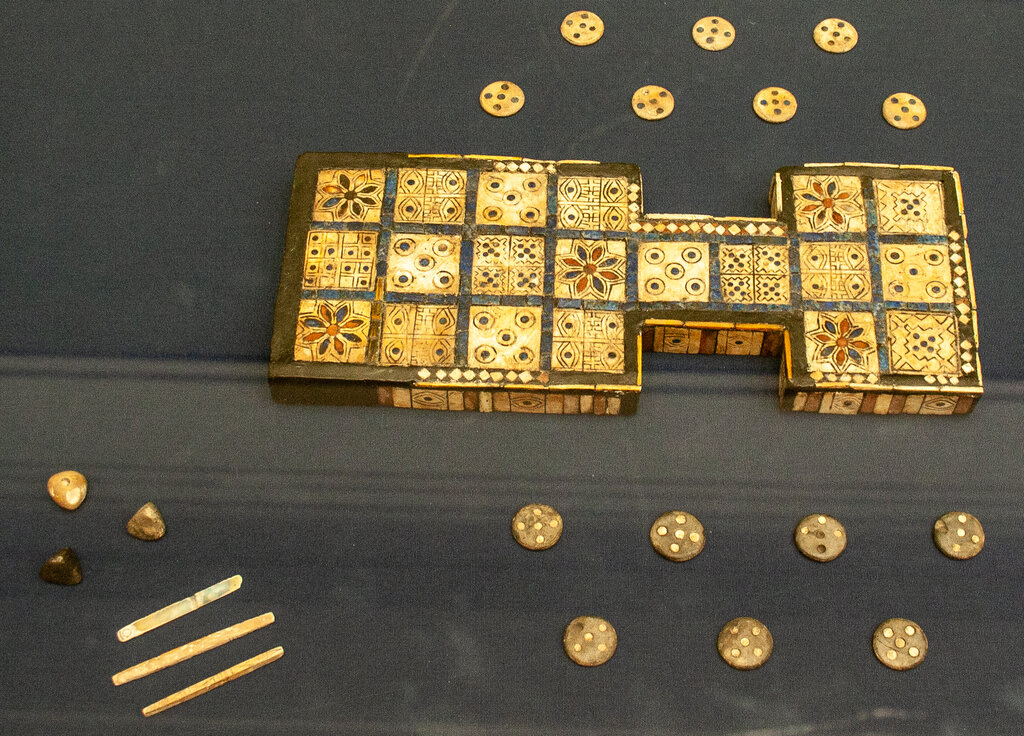
Gambling taps into a range of human emotions and motivations. For many, it's a form of entertainment, a social activity to enjoy with friends. For others, it’s about the thrill of uncertainty. The moment before the dice land or the final card is turned over is filled with suspense and excitement.
This feeling is a key part of the experience. It's an escape from the routine, offering a moment where anything feels possible. The potential for a big win, however unlikely, is a powerful draw.
The core of gambling's appeal often lies in the emotional experience—the hope, the suspense, and the potential for a sudden change of fortune.
The Brain on a Bet
When you place a bet, your brain takes notice. The possibility of a reward triggers the release of a chemical called dopamine. This neurotransmitter is a key part of the brain's reward system, and it’s associated with feelings of pleasure and anticipation.
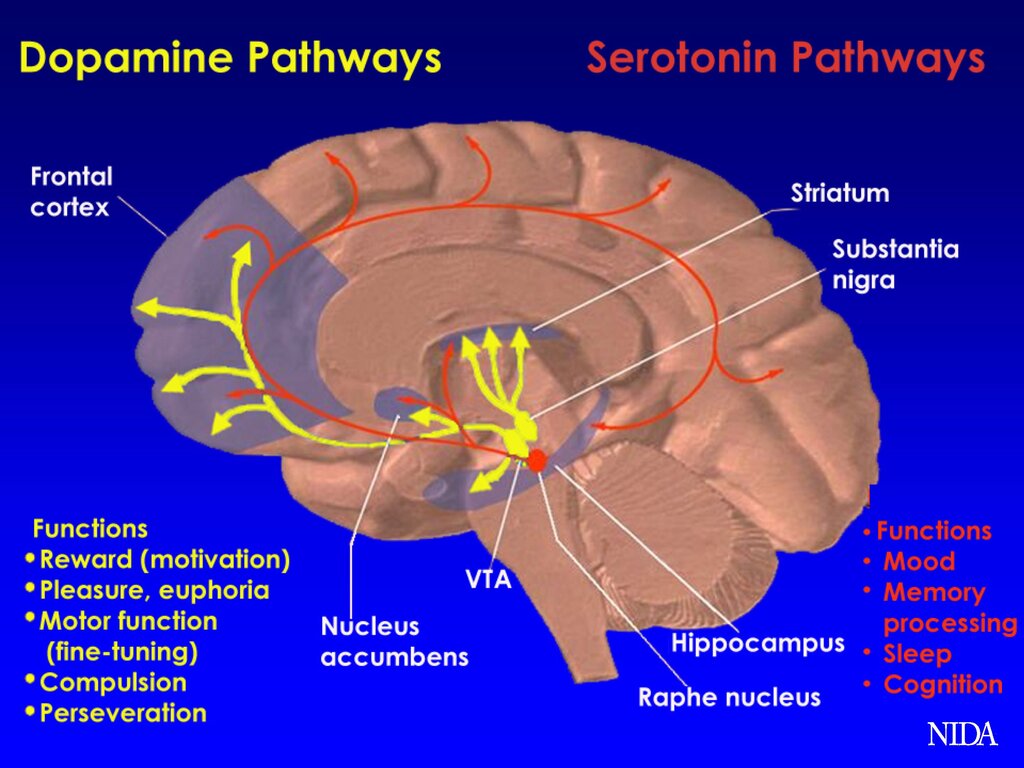
Dopamine isn't just released when you win. It's also released in anticipation of a potential win. The uncertainty itself can be stimulating. This is why a near-miss—like getting two out of three symbols on a slot machine—can feel almost as exciting as a win. Your brain registered the possibility of a reward and gave you a hit of dopamine, encouraging you to try again.
This system is designed to motivate us to seek out things that are good for us, like food and social connection. Gambling can hijack this process, creating a powerful loop of anticipation and reward based purely on chance.
Now let's check your understanding of these core concepts.
What is the core element that defines an activity as gambling?
According to the text, the brain chemical dopamine is released not only upon winning, but also in ______ of a potential win.
Understanding these basic psychological drivers is the first step in seeing why gambling is such a persistent and widespread human behavior.