The Psychology of Gambling and Addiction Prevention
Introduction to Gambling Psychology
The Allure of Chance
At its core, gambling is simple: you risk something of value on an event with an uncertain outcome, hoping to win something of greater value. This can take many forms, from buying a lottery ticket at the corner store to playing a high-stakes poker game. Other common examples include slot machines, sports betting, and even a casual fantasy football league with friends.
Gambling is a widespread activity, woven into the fabric of many cultures. People have been making wagers for thousands of years. It's an activity that can be social, entertaining, and for most people, an occasional diversion. But what makes the simple act of taking a chance so compelling?
The Psychology of a Bet
The appeal of gambling is complex, tapping into several key psychological drivers. The most obvious is the thrill of uncertainty. The suspense between placing a bet and discovering the outcome creates a powerful feeling of excitement and anticipation.
Another major factor is the dream of a big win. The possibility, however remote, of winning a life-altering amount of money is a potent motivator. This hope can provide a temporary escape from financial worries or daily routines. For some, gambling is also a social activity, offering a way to bond with friends or feel part of a community.
These elements—risk, hope, and social connection—combine to create a compelling experience. The environment in which gambling occurs often enhances this appeal, with bright lights, exciting sounds, and a sense of shared energy.
When It's More Than a Game
For some individuals, the line between harmless fun and a serious problem can blur. What starts as a casual pastime can evolve into a compulsion that's difficult to control. This is when gambling becomes an addiction.
Gambling addiction, or Gambling Disorder (GD), is defined by an uncontrollable urge to engage in gambling activities, despite facing negative consequences or having a desire to stop.
Gambling Disorder is recognized as a treatable medical condition. It's not a matter of willpower or moral failing. It involves changes in the brain that are similar to those seen in substance addictions.
For individuals with GD, the brain’s reward pathways are activated when they engage in gambling activities, Sternlicht notes, similar to how an individual with drug addiction might respond to stimuli.
The brain's reward system uses chemical messengers like dopamine to make us feel pleasure and encourage us to repeat behaviors necessary for survival, like eating. Gambling can hijack this system. The thrill of a potential win causes a rush of dopamine, creating a powerful sense of reward.
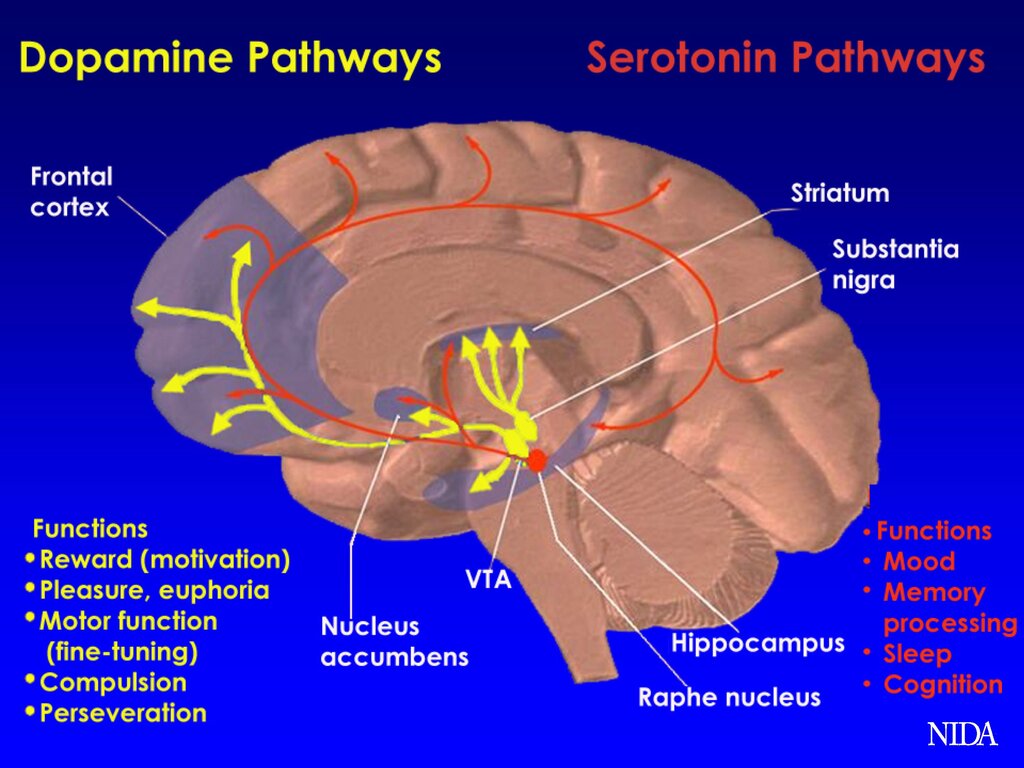
Over time, the brain may adapt to these dopamine surges. A person might need to gamble more often or take bigger risks to achieve the same level of excitement. This cycle can lead to a loss of control, where the urge to gamble overrides concerns about the negative consequences.
Now, let's review what you've learned about the psychology of gambling.
What is the fundamental principle of gambling?
Which of the following is described as a key psychological driver behind the appeal of gambling?
Understanding the psychological forces behind gambling is the first step in recognizing why it can be so appealing and, for some, so difficult to control.