The Psychology of Gambling and Addiction Prevention
Introduction to Gambling Psychology
The Allure of the Gamble
At its core, gambling is risking something of value on an event with an uncertain outcome, hoping to win something of greater value. This can range from buying a lottery ticket to playing a hand of poker or betting on a sports game. While the games differ, the underlying psychology is remarkably consistent.
Our brains are wired to find patterns and make predictions. This skill helps us in daily life, but it can mislead us in games of pure chance. When we gamble, we're not just playing against the house; we're often playing against our own mental shortcuts and emotional responses.
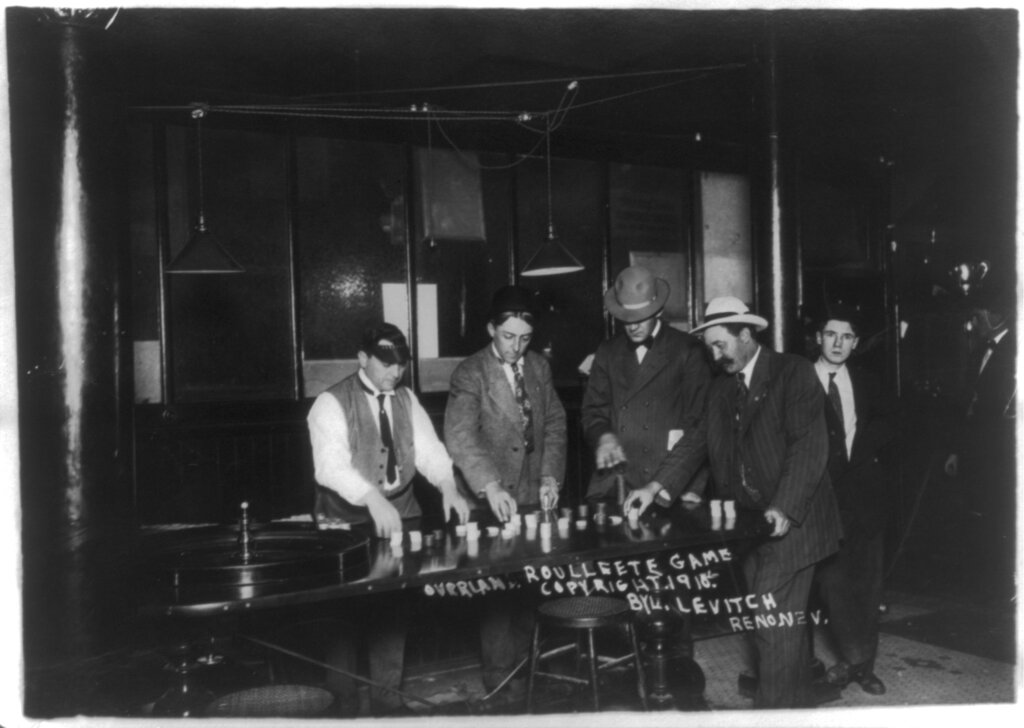
When Your Brain Plays Tricks
Two powerful cognitive biases often show up at the gambling table: the gambler's fallacy and the near-miss effect. These aren't personal failings; they're common quirks in human thinking.
Gambler's Fallacy
noun
The mistaken belief that if a particular event has happened more frequently than normal in the past, it's less likely to happen in the future, or vice versa.
Imagine a coin flip. If it lands on heads five times in a row, you might feel strongly that the next flip must be tails. In reality, the odds are still 50/50. Each flip is an independent event, completely unaffected by previous outcomes. The coin has no memory.
Then there's the near-miss effect. Think of a slot machine where the winning symbols line up on two reels but just miss on the third. That feeling of being so close to a win is psychologically powerful. Your brain interprets it not as a loss, but as a sign that you're getting closer and should try again. This encourages more play, even though a near miss is no different from any other loss.
A near miss feels like progress, but in a game of chance, it's just another random outcome.
Feelings Over Facts
Gambling isn't just a mental exercise; it's an emotional one. The excitement of a potential win can be exhilarating, while the sting of a loss can be deeply frustrating. These emotions can easily override rational thought.
A big win can create a euphoric feeling, leading a person to believe they're on a lucky streak and bet more recklessly. Conversely, losses can trigger a desperate desire to win the money back, a behavior known as "chasing losses." When chasing losses, decisions are driven by frustration and hope rather than strategy or logic. This emotional state makes a person even more susceptible to cognitive biases like the gambler's fallacy.
The gambler’s fallacy and illusion of control are compelling biases that can often lead to a strong urge to place ‘just one more bet’.
The combination of misleading mental shortcuts and strong emotional reactions creates a potent cycle. Cognitive distortions suggest you're "due" for a win or were "almost there," while your emotional response provides the fuel to keep betting. Understanding this interplay is the first step in seeing why gambling can be so compelling.
Now, let's see how well you've grasped these concepts.
A roulette wheel has landed on red for six consecutive spins. According to the gambler's fallacy, what is a person likely to believe about the next spin?
Which of the following best describes the 'near-miss effect'?
Recognizing these psychological forces at play doesn't take the fun out of games of chance, but it does help clarify what's really happening when we decide to place a bet.