The Psychology of Gambling and Addiction Prevention
Introduction to Gambling Psychology
The Mind at Play
Why do people gamble? The answer goes deeper than just the desire to win money. Gambling psychology is the study of the thoughts, feelings, and behaviors that drive people to take a chance. It explores the internal world of a gambler, from the chemical reactions in their brain to the subtle tricks their mind plays on them.
By understanding these psychological factors, we can see why gambling is so compelling for so many. It's not just about the outcome; it's about the process, the anticipation, and the powerful internal experiences that come with it.
The Brain on a Bet
At the heart of gambling's appeal is the brain's reward system. This network of brain regions is designed to keep us alive by rewarding beneficial behaviors like eating and socializing. When we do something it likes, this system releases a chemical called dopamine.
Dopamine is often called the "pleasure chemical," but it's more accurate to think of it as the chemical of anticipation. The brain releases dopamine not just when you win, but when you think you might win. The uncertainty is the key. The moments leading up to the spin of a roulette wheel or the turn of a card can trigger a significant dopamine rush. This creates a powerful feeling of excitement and focus.
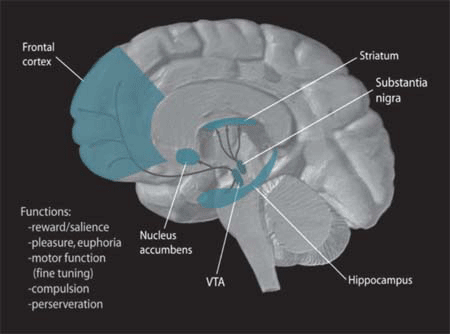
This chemical reward reinforces the behavior, making the brain want to experience that feeling again. The cycle of anticipation, release, and reward can create a strong urge to keep gambling, regardless of the actual financial outcome. The thrill isn't just in winning; it's in the chase.
Stop blaming and try to understand that the urge to gamble has a physical cause in your brain.
Thinking Traps
Our brains are pattern-seeking machines, but sometimes they see patterns that aren't there. In gambling, these mental shortcuts, or cognitive distortions, can lead to faulty conclusions that feel completely logical at the moment.
Gambler's Fallacy
noun
The mistaken belief that if a particular event occurs more or less frequently than normal in the past, it is less or more likely to happen in the future.
Imagine flipping a coin. If it lands on heads five times in a row, what do you think the next flip will be? Many people feel strongly that it's "due" to be tails. In reality, the odds are still 50/50. The coin has no memory of the previous flips. The Gambler's Fallacy is the powerful but incorrect feeling that past random events influence future ones.
Another common thinking trap is the illusion of control. This is the belief that you can influence the outcome of a chance-based event. People might have a "lucky" way of throwing the dice, a special machine they prefer, or a ritual they perform before placing a bet. These actions provide a sense of agency and skill in a situation that is ultimately random. While it feels empowering, it doesn't actually change the odds of winning.
Blowing on the dice before a roll is a perfect example of the illusion of control. It feels like you're doing something to help, but the outcome is still pure chance.
These cognitive distortions work together with the brain's reward system to create a compelling psychological loop. The dopamine rush makes gambling feel good, and the faulty thinking patterns provide a justification for continuing, even when the results suggest otherwise.
Time to check your understanding of these concepts.
What is the primary role of dopamine in the brain's reward system during gambling?
After a roulette wheel lands on red five times in a row, a player bets heavily on black, believing it is "due" to come up. This is a classic example of: