The Psychology of Gambling and Addiction Prevention
Introduction to Gambling Psychology
The Brain on the Bet
Why is gambling so compelling? The answer lies deep within our brain's wiring. When we place a bet, our brain's reward system springs into action. This network is designed to make us feel good when we do things that are, from an evolutionary standpoint, beneficial for survival—like eating or socializing.
A key chemical messenger in this system is dopamine. It's often called the "feel-good" neurotransmitter, but it's more about anticipation than pleasure itself. The possibility of a win causes a surge of dopamine, creating a powerful feeling of excitement and motivation. It’s the thrill of what could happen that keeps us engaged. This isn't just about winning; the uncertainty is a major part of the appeal. The brain releases dopamine not just for the win, but for the suspense leading up to it.
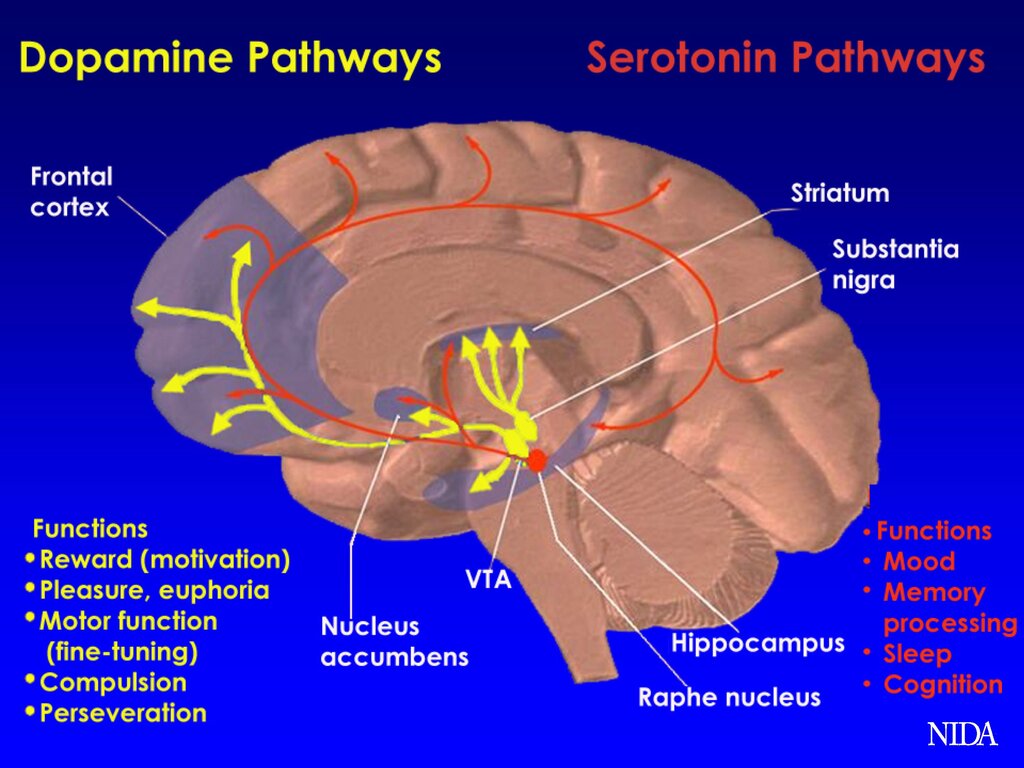
This chemical rush reinforces the behavior, making the brain want to experience it again. The cycle of anticipation, release, and potential reward can be incredibly strong, forming the biological basis for why gambling can become a powerful habit.
Some research shows that compulsive gambling may be linked to dopamine release in the brain, similar to addiction to a substance.
The Power of Almost Winning
Have you ever played a game and come incredibly close to winning? On a slot machine, maybe you get two matching symbols and the third one lands just one spot away. In a lottery, you might have all but one number. This experience is known as the near-miss effect.
Logically, a near miss is still a loss. You don't win anything. But psychologically, it feels very different. Our brains process a near miss not as a failure, but as something closer to a win. This triggers a similar dopamine response to an actual victory, encouraging us to think, "I was so close! I should try again."
Game designers know this. They often engineer experiences to include frequent near misses, which keeps players engaged and motivated to continue, even when they are consistently losing.
This cognitive quirk makes it harder to walk away. Instead of feeling discouraged by the loss, the feeling of being on the cusp of success provides a powerful incentive to keep playing.
Misunderstanding Randomness
Humans are pattern-seeking creatures. We look for order and predictability everywhere, which is usually a helpful trait. In games of pure chance, however, it can lead us astray. This brings us to a common cognitive bias called the gambler's fallacy.
Gambler's Fallacy
noun
The mistaken belief that if a particular event occurs more frequently than normal during the past, it is less likely to happen in the future (or vice versa).
Imagine flipping a coin. If it lands on heads five times in a row, what do you think the next flip will be? Many people feel a strong intuition that it's "due" to be tails. But the coin has no memory. Each flip is an independent event with a 50/50 chance of landing on either side, regardless of what happened before.
| Flip Number | Outcome | Probability of Heads | Probability of Tails |
|---|---|---|---|
| 1 | Heads | 50% | 50% |
| 2 | Heads | 50% | 50% |
| 3 | Heads | 50% | 50% |
| 4 | Heads | 50% | 50% |
| 5 | Heads | 50% | 50% |
| 6 | ? | 50% | 50% |
The gambler's fallacy can influence betting strategies, making people feel that a certain outcome is overdue. This can lead to risky decisions, like increasing a bet on a roulette number just because it hasn't come up in a while. In reality, the odds remain the same on every single spin.
What is the primary role of dopamine in making gambling so compelling?
The feeling that you were "so close" to winning, like having five out of six lottery numbers, is known as the near-miss effect.
Understanding these psychological principles doesn't take away the fun of games, but it does help explain the powerful pull they can have on our minds.