The Psychology of Gambling and Addiction Prevention
Introduction to Gambling Psychology
What Is Gambling?
At its core, gambling is simple: you risk something of value, usually money, on an event with an uncertain outcome. The hope is to win something of greater value. This can take many forms, from buying a lottery ticket or playing a slot machine to betting on a sports game or playing a hand of poker.
While the activities vary, the fundamental principle is the same. Whether it's a state-run lottery, a high-stakes casino game, or a casual bet between friends, you're wagering on chance.
Why People Gamble
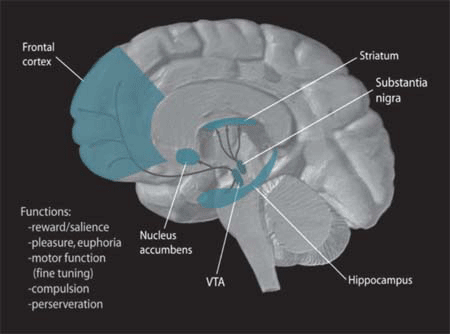
The motivations for gambling are complex and go far beyond just the desire to win money. For many, it's about the excitement. The uncertainty of the outcome triggers a rush of adrenaline and dopamine, a chemical in our brain associated with pleasure and reward. This is the same reward pathway activated by other enjoyable activities.
Gambling can also be a social activity, a way to bond with friends or family. For others, it serves as a form of escapism, offering a temporary distraction from stress, boredom, or other problems in their daily lives. In the world of the game, real-world issues can seem to fade away for a while.
The Brain on a Bet
Our brains are wired to find patterns, but this can lead us astray when it comes to games of chance. We fall victim to cognitive biases, which are mental shortcuts that can distort our perception of reality and lead to irrational decisions.
cognitive bias
noun
A systematic pattern of deviation from norm or rationality in judgment, whereby inferences about other people and situations may be drawn in an illogical fashion.
One of the most common is the Gambler's Fallacy. This is the mistaken belief that if something happens more frequently than normal during a given period, it will happen less frequently in the future. For example, if a coin toss lands on heads ten times in a row, someone might feel that it's "due" to land on tails next. In reality, the odds for each independent toss are still 50/50.
Past events in a game of pure chance do not influence future outcomes.
Another powerful bias is the Illusion of Control. This is the tendency for people to overestimate their ability to control events. A gambler might blow on dice before a roll or have a "lucky" way of pulling a slot machine lever, believing these actions influence the random outcome. They don't, but the feeling of control can be a powerful incentive to keep playing.
Then there's the Near-Miss Effect. When you almost win—like getting two out of three cherries on a slot machine—your brain reacts similarly to how it would for an actual win. This near miss can be even more motivating than losing completely, as it signals that a win is just around the corner, encouraging you to try again.
The Impact on Mental Health
While many people can gamble responsibly for entertainment, for some it can become a serious problem with significant consequences for their mental health. The line between fun and compulsion can blur over time.
Problem gambling is strongly linked to other mental health conditions, such as depression, anxiety, and substance use disorders. The stress of financial losses, the secrecy, and the guilt can create a vicious cycle. An individual might gamble to escape feelings of depression, but the resulting losses and stress only make the depression worse.
For individuals with GD, the brain’s reward pathways are activated when they engage in gambling activities, Sternlicht notes, similar to how an individual with drug addiction might respond to stimuli.
This cycle is reinforced by changes in the brain. The constant stimulation of the reward system can lead to dependency, where a person needs to gamble more and more to achieve the same level of excitement. This can lead to chasing losses, where a person tries to win back money they've lost, often with larger and riskier bets, compounding the problem.
Let's test your understanding of the psychology behind gambling.
A roulette wheel has landed on red for five consecutive spins. A player betting on black believes a black result is now more likely to occur. This is a classic example of which cognitive bias?
According to the text, which of the following is NOT described as a primary psychological motivation for gambling?
Understanding the psychological drivers and cognitive biases related to gambling is the first step in recognizing how a form of entertainment can sometimes develop into a more serious issue.