The Psychology of Gambling and Addiction Prevention
Introduction to Gambling Behavior
What Is Gambling?
At its core, gambling is the act of wagering something of value, usually money, on an event with an uncertain outcome. The main goal is to win additional money or material goods. If you bet $5 with a friend on which team will win a football game, you're gambling. If you buy a lottery ticket hoping to win the jackpot, you're also gambling.
The key ingredients are always the same: a wager, an element of chance, and a potential prize. This simple formula applies to a huge range of activities.
Common forms of gambling include casino games like slot machines and blackjack, state lotteries, sports betting, bingo, and poker games with friends.
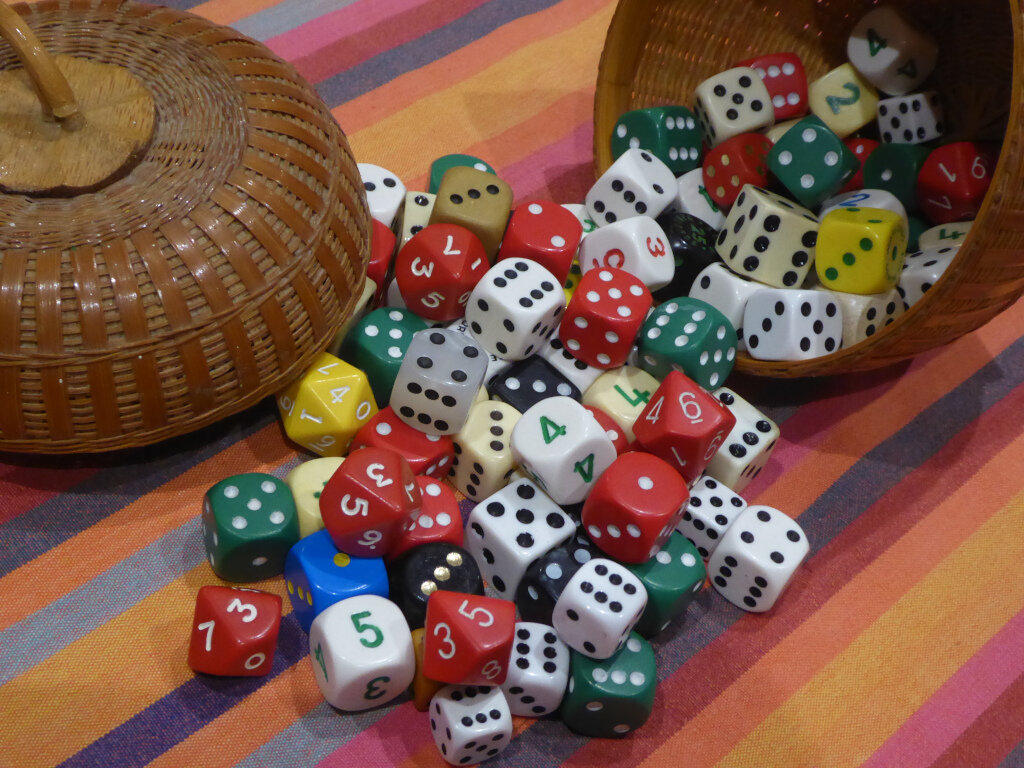
A Widespread Activity
Gambling is a common form of entertainment around the world. For many people, it's a social activity, like going to a casino with friends or participating in a weekly office sports pool. Governments often run lotteries to raise funds for public services, making gambling a state-sanctioned and widely accessible activity.
From horse racing to online betting sites, the opportunities to gamble are vast and varied. Its prevalence means most people have either gambled themselves or know someone who does. But not all gambling behavior is the same.
Recreational vs. Problem Gambling
It's important to distinguish between gambling as a casual pastime and gambling as a harmful behavior. The difference lies in the level of control and the impact it has on a person's life.
Recreational Gambling
adjective
Gambling for fun and entertainment, with clear limits on time and money. The person stays in control and sees it as a form of leisure, not a way to make money.
Recreational gamblers set a budget and stick to it. They know when to walk away and don't let gambling interfere with their responsibilities, like work or family. For them, any money spent on gambling is the cost of entertainment, just like buying a movie ticket.
Problem gambling, on the other hand, occurs when the activity stops being fun and starts causing negative consequences. This isn't about how much or how often someone gambles, but about the impact of the gambling.
| Feature | Recreational Gambling | Problem Gambling |
|---|---|---|
| Purpose | Entertainment, socializing | To escape problems, chase losses |
| Budget | Predetermined and fixed | No clear limits, often overspent |
| Control | Can stop at any time | Feels compelled to continue |
| Outcome | Accepts losses as cost of fun | Becomes distressed or desperate after losing |
| Impact | No negative life impact | Causes financial, social, or emotional harm |
Understanding this distinction is the first step in recognizing the signs of trouble. It's the difference between a controlled, enjoyable activity and one that becomes a source of stress and harm.
Let's check your understanding of these fundamental concepts.
What are the three essential components that define an activity as gambling?
What is the primary factor that distinguishes recreational gambling from problem gambling?
Recognizing the different forms of gambling and the line between recreation and risk is key to understanding this complex behavior.