The Psychology of Gambling and Addiction Prevention
Introduction to Gambling Psychology
What is Gambling?
At its core, gambling is simple: you stake something of value on an event with an uncertain outcome, hoping to win something of greater value. This could be betting a dollar on a lottery ticket or wagering thousands on a poker hand. The key ingredients are risk, a prize, and chance.
Gambling isn't a one-size-fits-all activity. It spans a wide spectrum, from games based purely on luck to those where strategy and skill can tip the scales.
| Type | Primary Factor | Examples |
|---|---|---|
| Games of Chance | Randomness | Slots, Roulette, Lotteries |
| Games of Skill | Player's ability | Poker, Blackjack, Sports Betting |
| Hybrid | Mix of both | Fantasy sports, some card games |
Who Gambles?
Gambling is a widespread activity, found in nearly every culture and society throughout history. From ancient dice games to modern online casinos, people have always been drawn to taking a chance. Today, it's a multi-billion dollar global industry, with millions of people participating regularly.
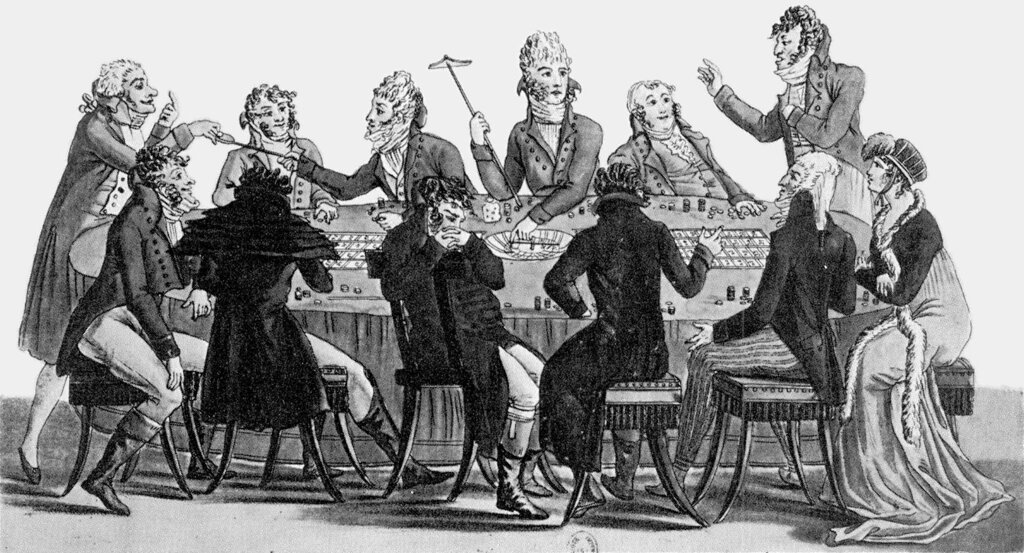
While anyone can gamble, demographic studies show certain patterns. Participation is often higher among men than women, though this gap is narrowing, especially with the rise of lotteries and online games. Age also plays a role; gambling activities tend to peak in young adulthood and again in later middle age. Socioeconomic factors can influence both participation and the types of games people play.
The Pull of the Unknown
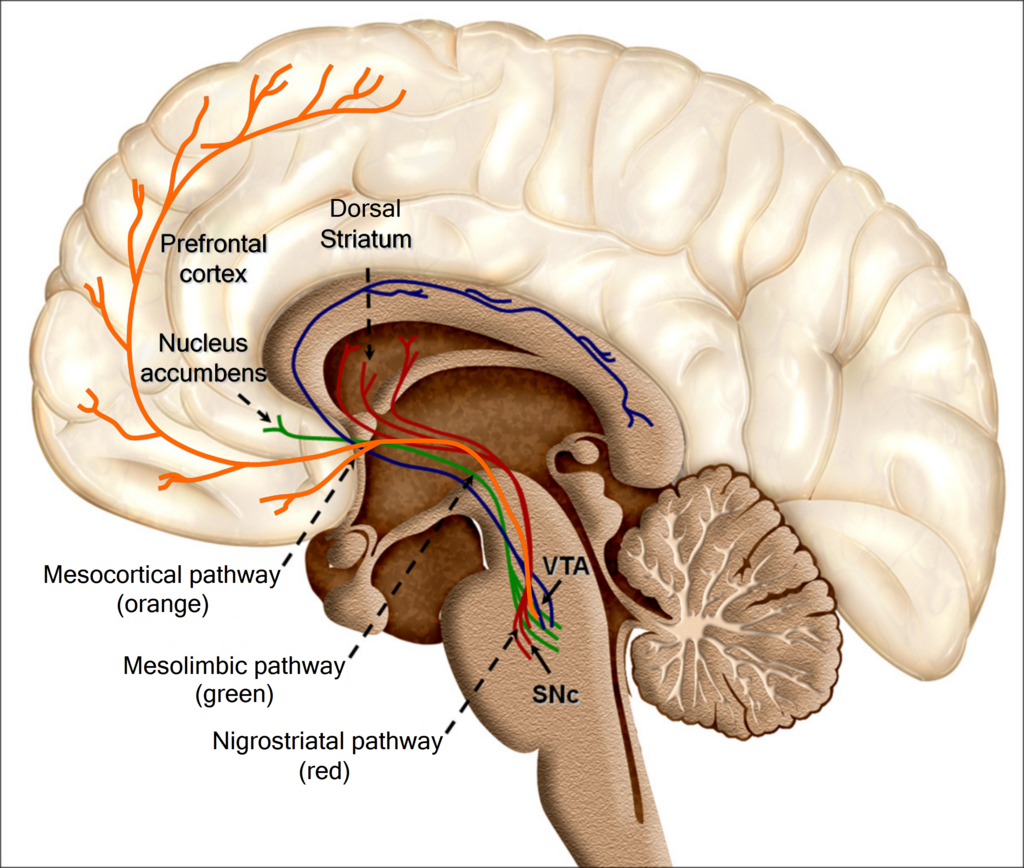
Why is gambling so compelling? The answer lies in two powerful psychological drivers: risk-taking and reward-seeking. Humans are wired to seek out rewards, and our brains release a chemical called dopamine when we anticipate something pleasurable. This is the same system that makes a good meal or a fun conversation feel satisfying.
The thrill of gambling isn't just about winning—it's about the tantalizing possibility of winning.
In gambling, the uncertainty of the reward is key. The brain's reward system responds more strongly to unpredictable rewards than to predictable ones. A guaranteed win of $5 is nice, but the chance to win $500 is far more exciting. This is known as intermittent reinforcement. Because you don't know when the reward will come, you're motivated to keep trying.
Risk-taking is the other side of the coin. For many, taking a calculated risk is exhilarating. It creates a feeling of suspense and excitement, turning a passive activity into an engaging one. The level of risk an individual is comfortable with varies greatly, which helps explain why some people prefer low-stakes lottery tickets while others are drawn to high-stakes poker tables.
What are the three essential components that define a gambling activity?
The psychological principle that makes the unpredictability of a reward more exciting to the human brain than a guaranteed one is known as:
Understanding these basic psychological forces is the first step in seeing why gambling holds such a powerful appeal for so many people.