The Psychology of Gambling and Addiction Prevention
Introduction to Gambling Psychology
What Is Gambling?
At its core, gambling is wagering something of value on an event with an uncertain outcome, hoping to win something of greater value. It's a simple idea that takes many forms.
gambling
noun
The act of risking money or something of value on an event with an uncertain outcome in the hope of winning.
Gambling activities are diverse, ranging from state-run lotteries to high-stakes poker games. They can be broadly categorized based on the balance of skill and chance.
| Type of Gambling | Primary Factor | Examples |
|---|---|---|
| Chance-Based | Pure Luck | Lotteries, Roulette, Slot Machines |
| Skill-Based | Player Expertise | Poker, Blackjack, Sports Betting |
| Hybrid | Mix of Luck & Skill | Bingo, Fantasy Sports |
Some forms, like slot machines, rely almost entirely on chance. Others, like poker, involve significant skill, strategy, and psychology. Sports betting also blends skill in analysis with the inherent unpredictability of a game.
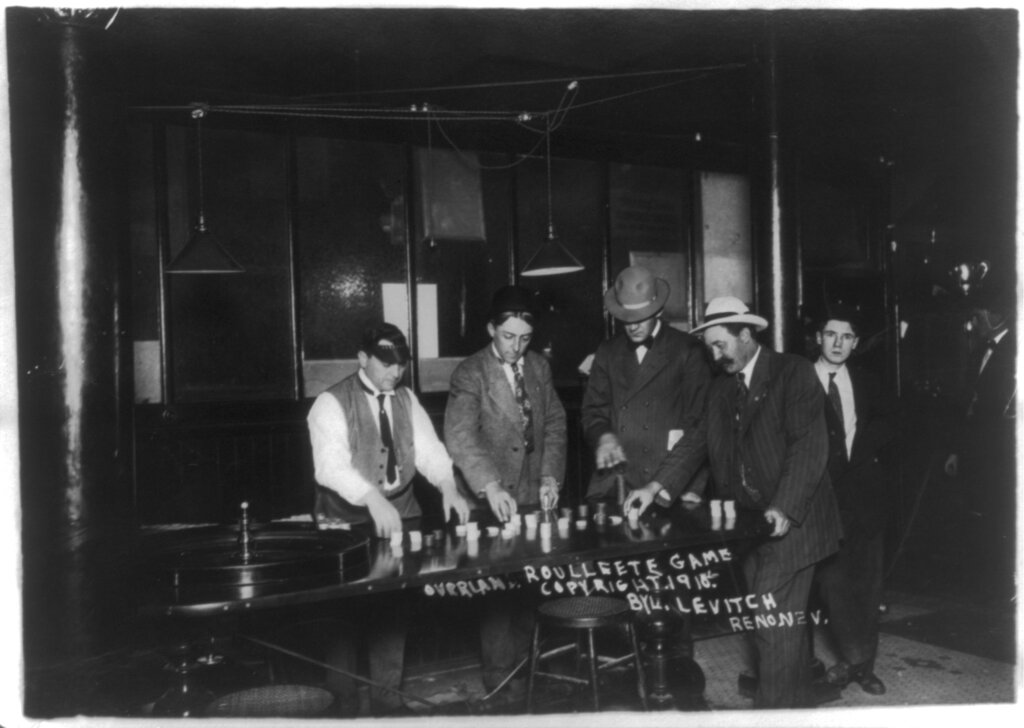
The Appeal of Chance
Why is gambling so widespread? The appeal is complex, tapping into fundamental aspects of human psychology. One of the biggest draws is the possibility of a large reward for a small investment. The fantasy of winning a life-changing jackpot is a powerful motivator, even when the odds are incredibly low.
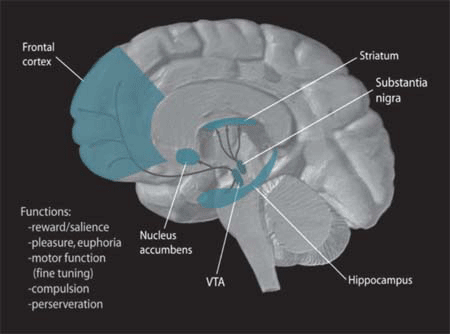
Beyond the money, there's the thrill of uncertainty. The moment the ball spins on the roulette wheel or the final card is turned over, our brains are flooded with anticipation. This feeling is tied to the release of dopamine, a chemical in the brain associated with pleasure and reward. The excitement of not knowing the outcome can be an end in itself.
Gambling can also be a social activity, a way to bond with friends or enjoy a night out. For others, it offers a form of escapism, a temporary distraction from everyday stress and worries. In the world of the game, other problems can seem to fade away.
The allure of gambling often lies not just in the potential win, but in the emotional rollercoaster of the risk itself.
Recognizing the Risks
While many people gamble for entertainment without any issues, it's important to understand the potential risks. Because gambling activities are designed to be profitable for the operator, the odds are always stacked against the player in the long run. This is often referred to as the "house edge."
Because gambling has been fairly normalized both socially and commercially, it’s hard for people to identify when it has crossed the line of an addiction,
For some, the activity can become compulsive. What starts as a fun pastime can develop into a behavioral addiction, known as gambling disorder. This can lead to serious negative consequences.
Consequences can be financial, such as accumulating debt, but they can also impact relationships, mental health, and work or school performance. Recognizing where gambling falls on the spectrum from harmless fun to a serious problem is the first step in understanding its complex psychology.
What is the fundamental principle that defines an activity as gambling?
Which of these gambling activities relies most heavily on skill and strategy rather than pure chance?
Understanding the basics of why people gamble and the risks involved is key to exploring the deeper psychology of this behavior.