The Psychology of Gambling and Addiction Prevention
Introduction to Gambling Psychology
The Gambler's Brain
Ever wonder why gambling can feel so compelling? The answer lies deep within our brain's chemistry. When you place a bet and win, your brain releases a chemical called dopamine. This is the same neurotransmitter associated with pleasure and reward, the one that tells you, "Hey, that was good. Let's do it again."
This system is designed to reward behaviors essential for survival, like eating or socializing. But it can be hijacked. Gambling, with its unpredictable rewards, creates a powerful dopamine rush that reinforces the betting behavior, making you want to repeat it.
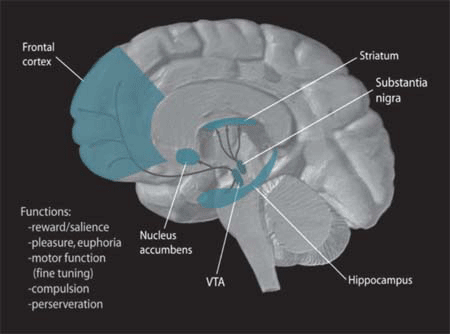
Some research shows that compulsive gambling may be linked to dopamine release in the brain, similar to addiction to a substance.
The brain doesn't just respond to wins. The anticipation of a potential win is often enough to get the dopamine flowing. This creates a cycle where the act of gambling itself becomes the reward, regardless of the outcome. It's a powerful biological loop that can drive continued play even in the face of losses.
Mind Games
Beyond the chemical reactions in our brains, gambling's pull is strengthened by common errors in our thinking called cognitive biases. These are mental shortcuts that help us make sense of the world, but they can mislead us in situations involving chance and probability.
Gambler's Fallacy
noun
The mistaken belief that if a particular event has occurred more frequently than normal in the past, it is less likely to happen in the future, or vice versa.
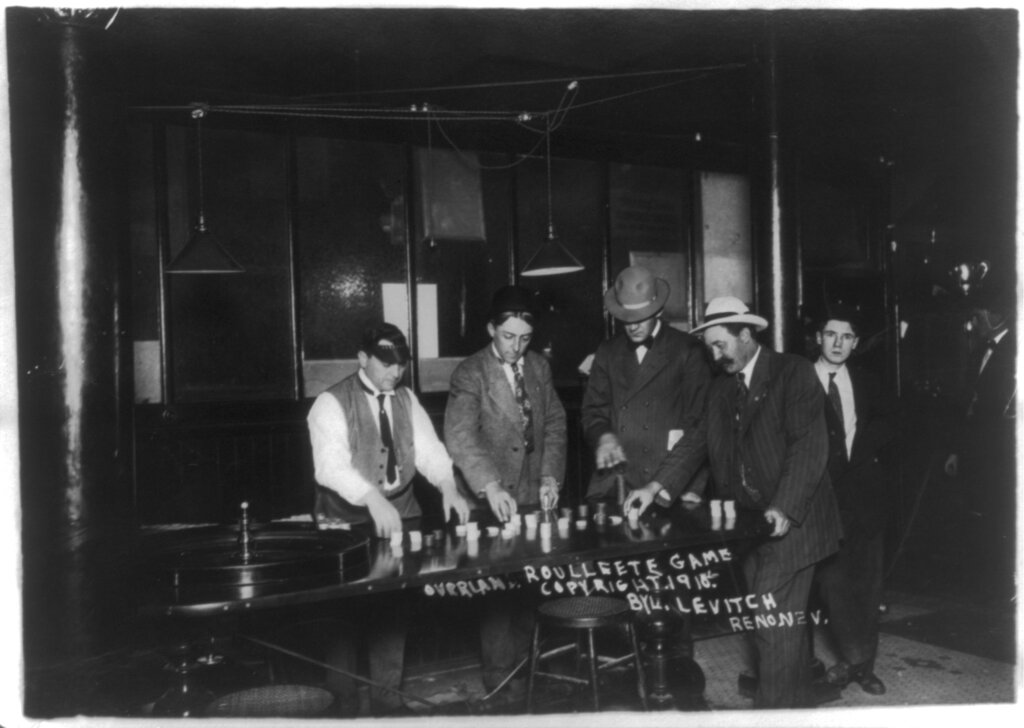
Imagine a roulette wheel. The ball has landed on red five times in a row. Many people would feel a strong urge to bet on black, thinking it's "due." But the roulette wheel has no memory. The chance of landing on black is the same on every single spin, completely independent of what happened before. Each spin is a fresh event. This fallacy tricks us into seeing patterns in random noise.
A roulette ball can't remember landing on red, and a coin doesn't know it just came up heads. Each event is independent.
Another powerful psychological hook is the near-miss effect. This is the frustratingly close feeling of almost winning, like getting two out of three cherries on a slot machine or having all but one number on a lottery ticket.
From a logical standpoint, a near miss is just a loss. But your brain doesn't see it that way. Neurologically, a near miss activates the same reward pathways as an actual win, just to a lesser degree. This sliver of excitement is often enough to convince a person to try again, keeping them engaged in the game much longer than they otherwise would be.
Understanding these biological and psychological forces is the first step in seeing why gambling can be so captivating. The combination of a dopamine-driven reward system and cognitive biases that distort our perception of risk creates a potent mix that can influence anyone's decision-making.