The Psychology of Gambling and Addiction Prevention
Introduction to Gambling Psychology
The Brain on a Bet
Have you ever wondered why gambling can be so compelling? The answer lies deep within the brain, in a network of structures called the reward system. This system is designed to encourage behaviors essential for survival, like eating and socializing, by releasing a chemical called dopamine that makes us feel good.
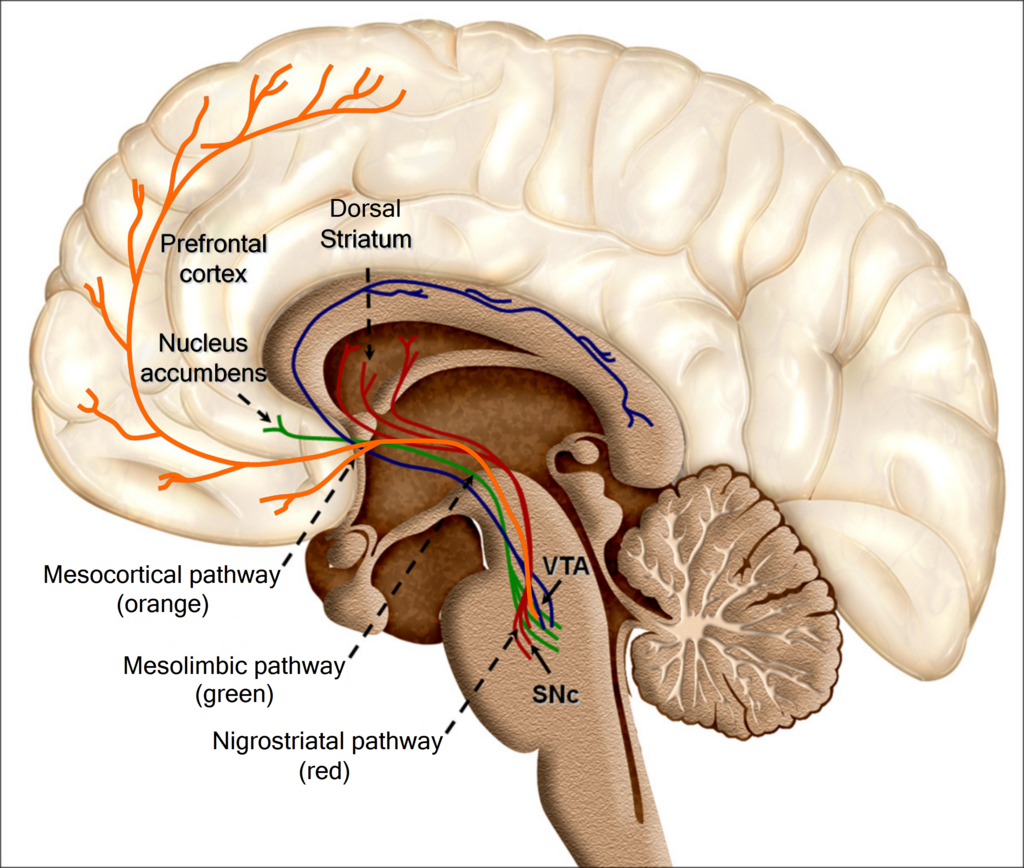
When you place a bet, your brain anticipates a potential reward, and the reward system kicks into gear. The possibility of winning causes a surge of dopamine. If you do win, the actual reward triggers an even bigger release, creating a powerful sense of pleasure and excitement. This chemical rush reinforces the action, making your brain want to experience it again. It's the brain's way of saying, "That was good. Do it again."
Some research shows that compulsive gambling may be linked to dopamine release in the brain, similar to addiction to a substance.
Over time, the brain can become accustomed to these dopamine spikes. The anticipation of a win can become more powerful than the win itself, driving the urge to keep playing even when you're losing.
The Power of Almost
One of the most powerful psychological hooks in gambling is the near-miss effect. This is the feeling you get when you come incredibly close to winning but fall just short. Think of a slot machine where two cherries line up, but the third just misses. Or a lottery ticket that's one number off from the jackpot.
Logically, a near miss is just another loss. But to your brain, it feels like something else entirely.
Brain imaging studies show that a near miss activates the same reward pathways as an actual win. Your brain releases a jolt of dopamine, tricking you into feeling that you're on the verge of success. This frustratingly encouraging experience doesn't deter you; it often does the opposite. It fuels a desire to keep playing, making you think a win is just around the corner.
Thinking Traps
Our brains are pattern-seeking machines, but this tendency can lead us astray in games of chance. Gamblers are often susceptible to cognitive distortions, which are irrational ways of thinking that warp our perception of reality.
The Gambler's Fallacy is the mistaken belief that if a particular outcome happens more frequently than normal, it is less likely to happen in the future.
Imagine a roulette wheel. The ball has landed on red five times in a row. Many people would feel a strong urge to bet on black, believing it's "due." But the wheel has no memory. Each spin is an independent event, and the odds of landing on red or black remain the same every single time. The past outcomes have no influence on the future.
Another common trap is the illusion of control. This is the belief that you can influence random events through personal skill or special rituals. Examples include blowing on dice for good luck, pressing a slot machine button a certain way, or choosing "lucky" numbers for the lottery.
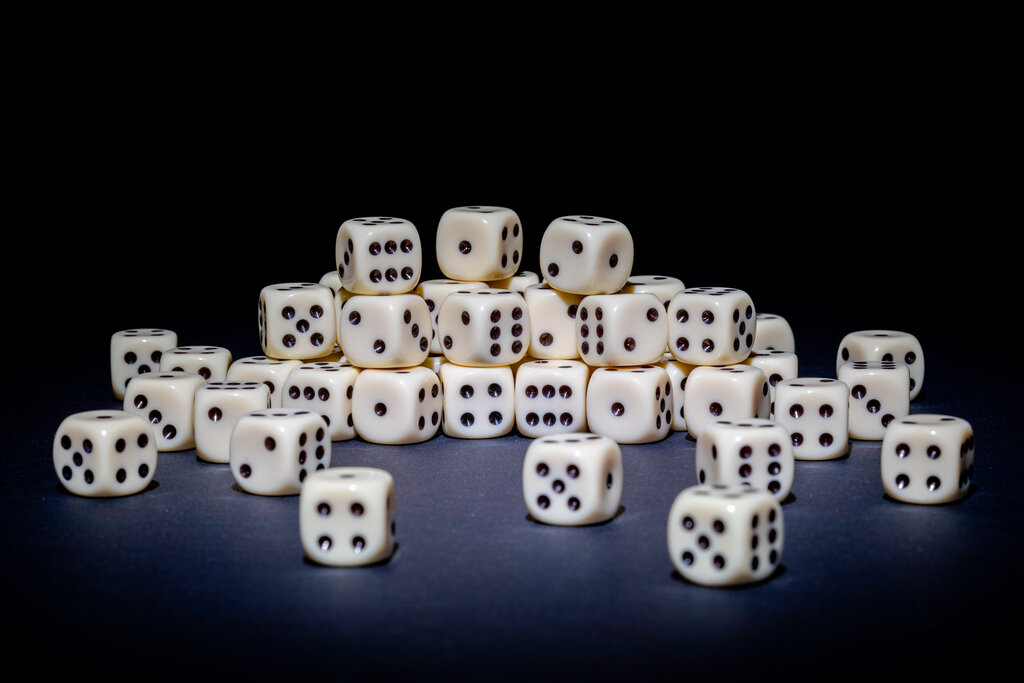
These actions provide a sense of agency in a situation that is purely up to chance. While harmless on their own, they reinforce a false belief that you have some power over the outcome, which can lead to poor decision-making and encourage more betting.
The gambler’s fallacy and illusion of control are compelling biases that can often lead to a strong urge to place ‘just one more bet’.
Understanding these psychological principles is the first step in recognizing how gambling influences behavior. The brain's wiring for reward, combined with common thinking traps, creates a powerful pull that can be difficult to resist.
What is the primary role of the chemical dopamine in the brain's response to gambling?
Brain imaging studies show that a 'near miss' (e.g., getting two out of three cherries on a slot machine) activates the same reward pathways as an actual win.