The Psychology of Gambling and Addiction Prevention
Introduction to Gambling Psychology
The Mind at the Table
Why do people gamble? It's easy to say it's all about luck, but that's only part of the story. The real drivers are often found inside our own minds. Gambling taps into the core of how we make decisions, assess risks, and perceive patterns, often in ways we don't even notice.
Our brains are wired with mental shortcuts, known as cognitive biases, that help us navigate the world. Usually, they're helpful. But in the uncertain environment of a casino or a betting app, these same shortcuts can lead us astray, distorting our perception of risk and reward.
When Mental Shortcuts Fail
One of the most common biases in gambling is the Gambler's Fallacy. This is the mistaken belief that past events can influence the outcome of a future, independent event. If a coin lands on heads five times in a row, you might feel like tails is "due" to come up next. But the coin has no memory. The probability remains 50/50 on every single flip.
Each roll of the dice, spin of the wheel, or draw of the card is a fresh start, completely independent of what came before.
Then there's the Illusion of Control. This is our tendency to believe we can influence outcomes that are actually random. Have you ever seen someone blow on dice before a roll or press a slot machine button in a certain way? These are attempts to exert control over chance. While these rituals are harmless, they reinforce the false belief that our actions can sway random results, which can encourage more betting.
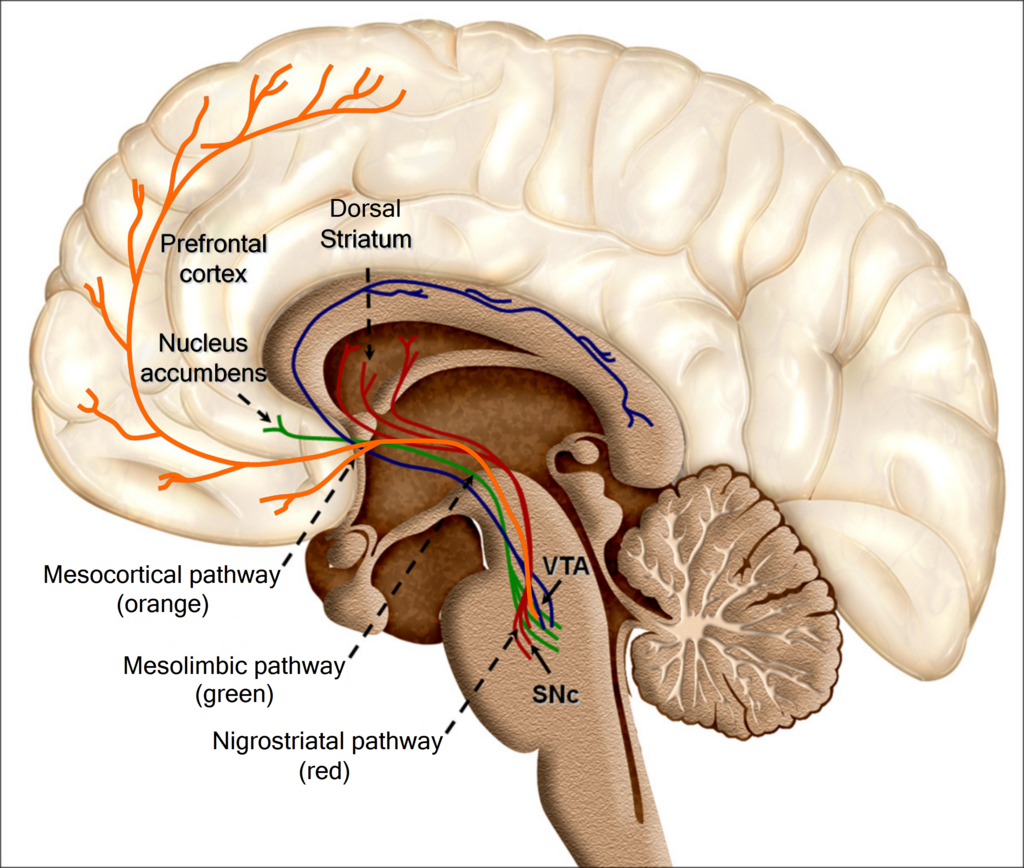
Perhaps the most powerful psychological hook is the Near-Miss Effect. Think about a slot machine where the winning symbols almost line up. You didn't win, but for a moment, it felt like you did. Your brain responds to a near miss much like it responds to an actual win, releasing a small amount of dopamine, the chemical associated with pleasure and reward. This creates a powerful urge to try again, chasing the feeling of an impending victory.
The Decision to Bet
Beyond biases, our decision-making process is also shaped by reinforcement. The gambling world operates on what's called a variable-ratio reinforcement schedule. This means rewards (wins) are unpredictable. You don't know when the next win will come. This uncertainty is highly engaging and makes the behavior—in this case, gambling—very resistant to extinction. You keep playing because the next bet could be the big one.
| Reinforcement Type | Description | Gambling Example |
|---|---|---|
| Fixed-Ratio | Reward after a set number of responses. | (Rare in gambling) |
| Variable-Ratio | Reward after an unpredictable number of responses. | Slot machines |
Social factors also play a significant role. Gambling is often a group activity, and the excitement of friends can be contagious. Seeing others win can create a sense of possibility and social proof, suggesting that winning is achievable. This social environment can lower inhibitions and encourage individuals to take risks they might not take on their own.
Simply learning to recognise these biases in your own gambling can help you make better decisions about whether to play on or walk away.
Understanding these psychological principles doesn't take the fun out of a game of chance. Instead, it provides a clearer picture of what's happening in our minds when we decide to place a bet. It shows that the most complex game isn't happening on the table, but inside our heads.