The Psychology of Gambling and Addiction
Introduction to Gambling Psychology
The Brain on a Bet
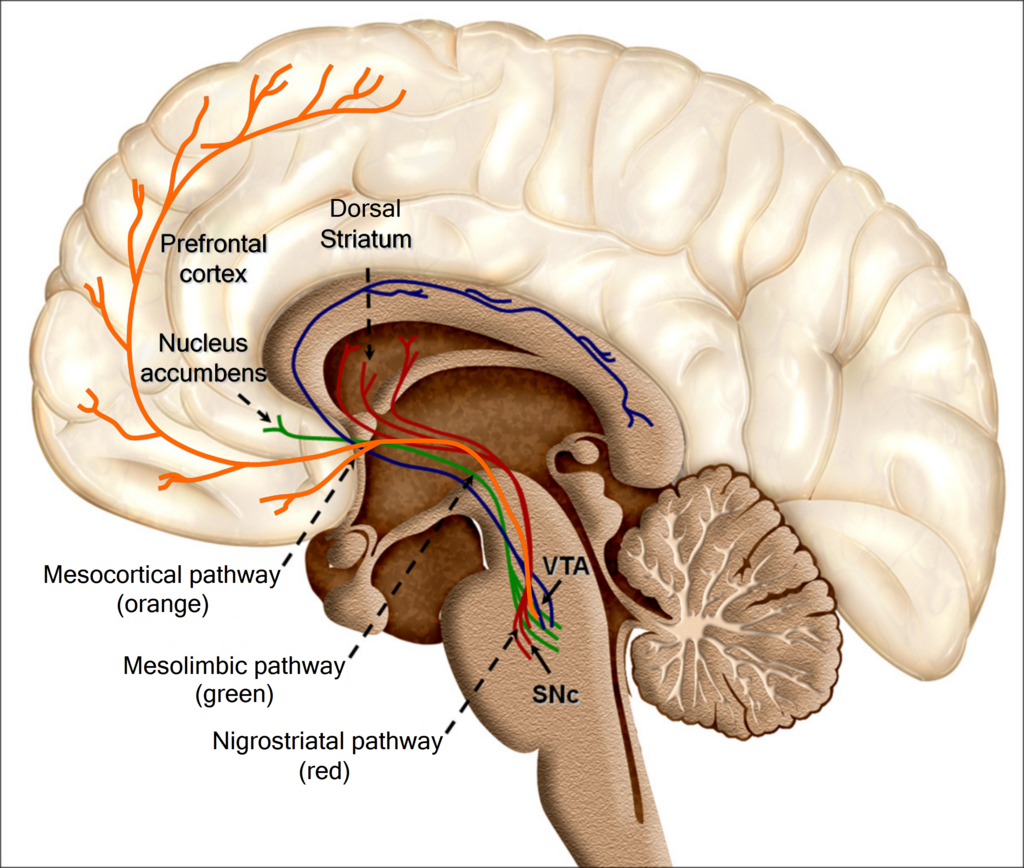
Every time you take a risk and win, your brain gives you a little reward. This reward comes in the form of a chemical called dopamine. It’s the same chemical that’s released when you eat delicious food, listen to a great song, or achieve a goal. It feels good, and it teaches your brain to repeat the behavior that led to the reward.
Gambling hijacks this system. The uncertainty of the outcome—the possibility of a big win—makes the dopamine release even more powerful. It’s not just winning that triggers it; the anticipation of a potential win is enough to get the chemical flowing. This creates a compelling loop. The brain learns that gambling is a source of pleasure and begins to crave it, which can be the first step toward an addictive pattern.
When Thinking Goes Sideways
Our brains are wired to find patterns, but sometimes this tendency leads us astray. In gambling, these mental shortcuts are called cognitive distortions. They are flawed ways of thinking that can convince a person that they have more control over an outcome than they actually do, or that a win is just around the corner.
Gambler's Fallacy
noun
The mistaken belief that if a particular event has occurred more frequently than normal in the past, it is less likely to happen in the future (or vice versa).
The gambler's fallacy is one of the most common distortions. Imagine flipping a coin. If it lands on heads five times in a row, you might feel that tails is “due” on the next flip. But the odds are still 50/50. The coin has no memory of the past flips. Each event is independent.
In a casino, this might look like a gambler betting on black at the roulette table because the ball has landed on red the last ten spins. They believe the odds have shifted in their favor, but in reality, the probability for each spin remains the same.
Another powerful distortion is the near-miss effect. This happens when you almost win, like getting two out of three cherries on a slot machine. Your brain interprets this as being close to a win, not as a loss. This triggers a dopamine response similar to an actual win, encouraging you to keep playing with the feeling that you're getting closer.
The Emotional Toll
Beyond the chemical reactions and thinking errors, gambling has a significant impact on mental health. The constant cycle of wins and losses creates a rollercoaster of emotions. The highs of winning are thrilling, but the lows of losing can lead to stress, anxiety, and even depression.
For some, gambling becomes a way to escape from these negative feelings. A person might gamble to forget about stress at work or problems at home. This creates a dangerous cycle: they gamble to feel better, but the financial and emotional consequences of losing often make the original problems worse, leading to more stress and a stronger urge to gamble again.
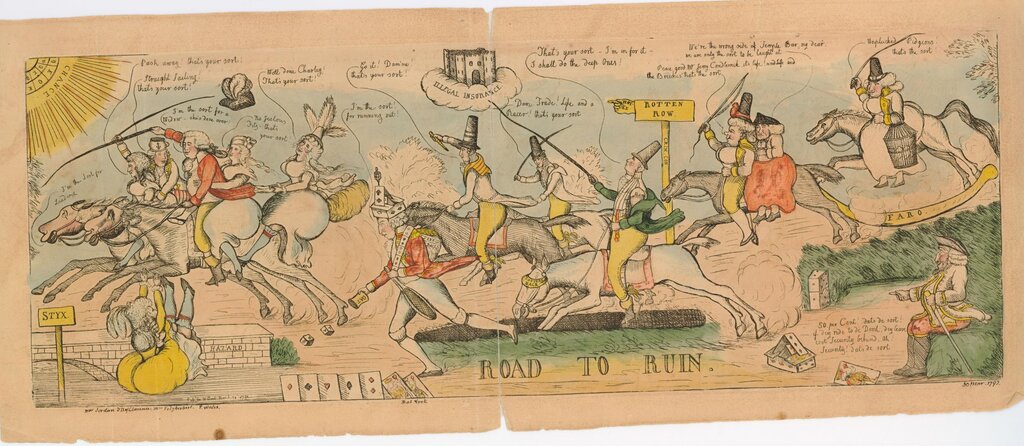
The pressure to chase losses can be immense, leading to increased anxiety as debts grow. The secrecy that often surrounds a gambling problem can also lead to feelings of isolation and shame, further straining a person's mental well-being.
Ready to check your understanding?
What is the primary reason gambling can feel so compelling, according to the brain's reward system?
A roulette player sees the ball land on a red number ten times in a row. Believing the next spin is much more likely to be black, they place a large bet on black. This is a classic example of:
Understanding these psychological drivers is the first step in recognizing how gambling can take hold. It's not about willpower, but about how our brains are wired for risk and reward.