The Psychology of Gambling and Addiction
Introduction to Gambling Psychology
The Mind at the Table
Why do people gamble, even when the odds are stacked against them? The answer isn't just about money or luck. It's deeply rooted in the quirks of human psychology. Our brains are wired with mental shortcuts and emotional responses that can make the highs of a potential win feel irresistible and the lows of a loss feel temporary.
Understanding these psychological drivers reveals that gambling is less about the game itself and more about the internal experience it creates. Certain cognitive biases and emotional triggers can make us misjudge our chances and keep us playing longer than we should.
Cognitive Biases in Action
Cognitive biases are systematic patterns of deviation from norm or rationality in judgment. They're essentially mental shortcuts that help us make sense of the world quickly, but they can often lead to errors. In gambling, these biases can create powerful illusions about control and probability.
Gambler's Fallacy
noun
The mistaken belief that if a particular event occurs more frequently than normal during the past, it is less likely to happen in the future, or vice versa.
Imagine a coin toss. If it lands on heads 10 times in a row, what are the chances of it being tails on the next flip? Many people feel strongly that tails is "due." But the odds are, and always will be, 50/50. The coin has no memory. Each flip is an independent event, completely unrelated to the ones that came before it. This fallacy convinces players that they can predict future random outcomes based on past events, a costly mistake in games of chance.
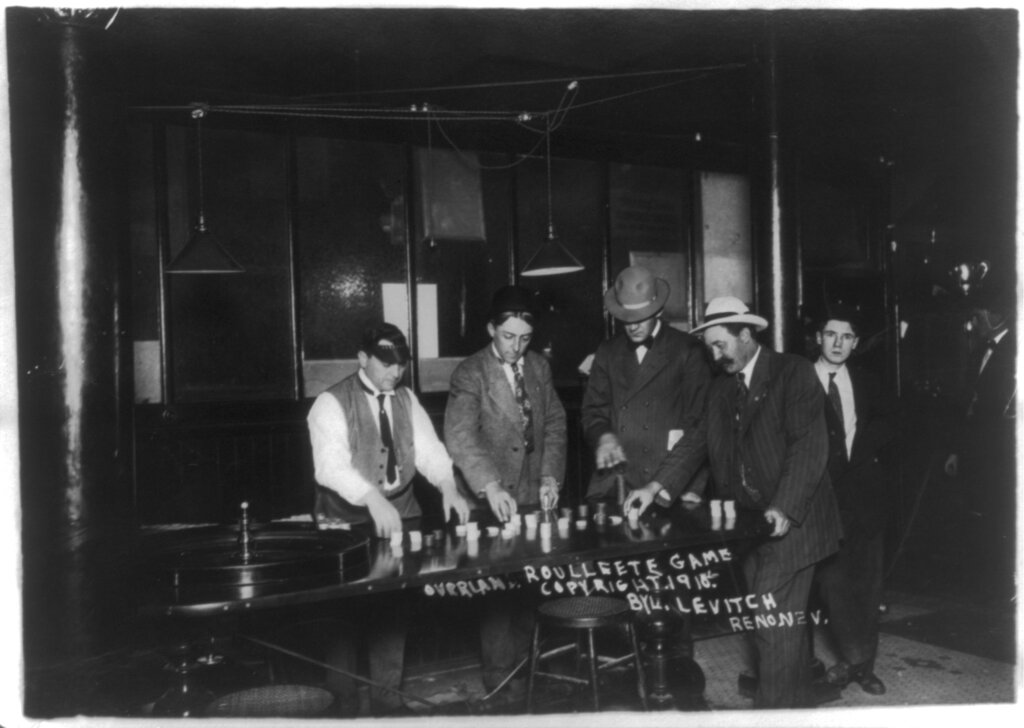
Another powerful mental trap is the near-miss effect. This is the frustrating feeling of being incredibly close to a big win, like getting two out of three cherries on a slot machine or having almost all the numbers for a lottery jackpot.
That feeling of being "so close" doesn't feel like a loss. To the brain, it feels like practice for a future win.
Neuroscience shows that a near miss activates the same reward pathways in the brain that a genuine win does. This chemical response encourages you to keep playing, creating a compelling loop of “almosts” that feels like progress. It blurs the line between losing and winning, making it harder to walk away.
Emotional Triggers
Beyond these cognitive illusions, our emotions play a huge role in the decision to gamble. People often turn to gambling not just for excitement, but as a way to cope with or escape from other feelings.
Stress is a major trigger. For someone dealing with pressure from work, finances, or relationships, gambling can seem like a mental escape. The intense focus required can temporarily silence worries and anxieties. Similarly, feelings of boredom or emptiness can lead people to seek the stimulation and thrill that gambling provides.
The desire to chase losses is another powerful emotional driver. After a loss, the sting of regret and frustration can be overwhelming. Instead of stopping, a person might feel a desperate need to win back what they've lost. This isn't a logical decision; it's an emotional reaction aimed at undoing the pain of the loss. This cycle can quickly lead to bigger and riskier bets.
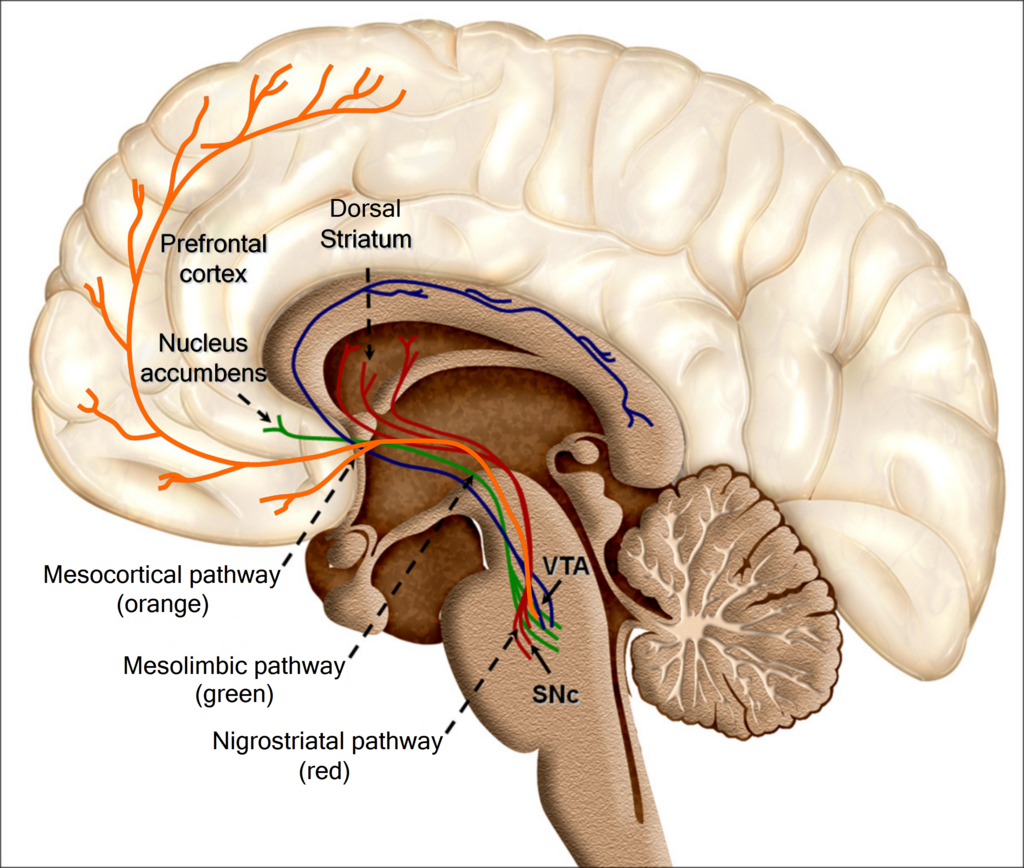
At a biological level, gambling hijacks the brain's reward system. When you place a bet, your brain releases a rush of dopamine, a neurotransmitter associated with pleasure and anticipation. This happens before the outcome is even known; the thrill is in the possibility. A win creates a significant dopamine surge, reinforcing the behavior and training your brain to crave that feeling again. This is the same mechanism that underlies other addictions.
While there is no known singular cause of gambling addiction, there are several factors that may play a role, says Lin Sternlicht, a licensed mental health counselor, addiction specialist and co-founder of Family Addiction Specialist in New York City.
This repeated exposure to dopamine spikes can alter the brain over time. The brain's receptors may become less sensitive, meaning a person needs to take bigger risks to get the same level of excitement. This process, known as tolerance, is a key psychological mechanism that can transform recreational gambling into a compulsion.
Being aware of these cognitive and emotional pulls is the first step in understanding the complex nature of gambling. It's a powerful combination of flawed thinking, emotional escape, and brain chemistry that makes it so compelling for so many.