The Psychology of Gambling and Addiction
Introduction to Gambling Psychology
The Brain on the Brink
Why is gambling so compelling? The answer lies deep within our brain's wiring. We all have a reward system, a network of brain areas that creates feelings of pleasure and motivation. It’s designed to encourage behaviors essential for survival, like eating and socializing. When we do something rewarding, a part of this system called the Ventral Tegmental Area (VTA) releases a chemical messenger called dopamine into another area, the nucleus accumbens.
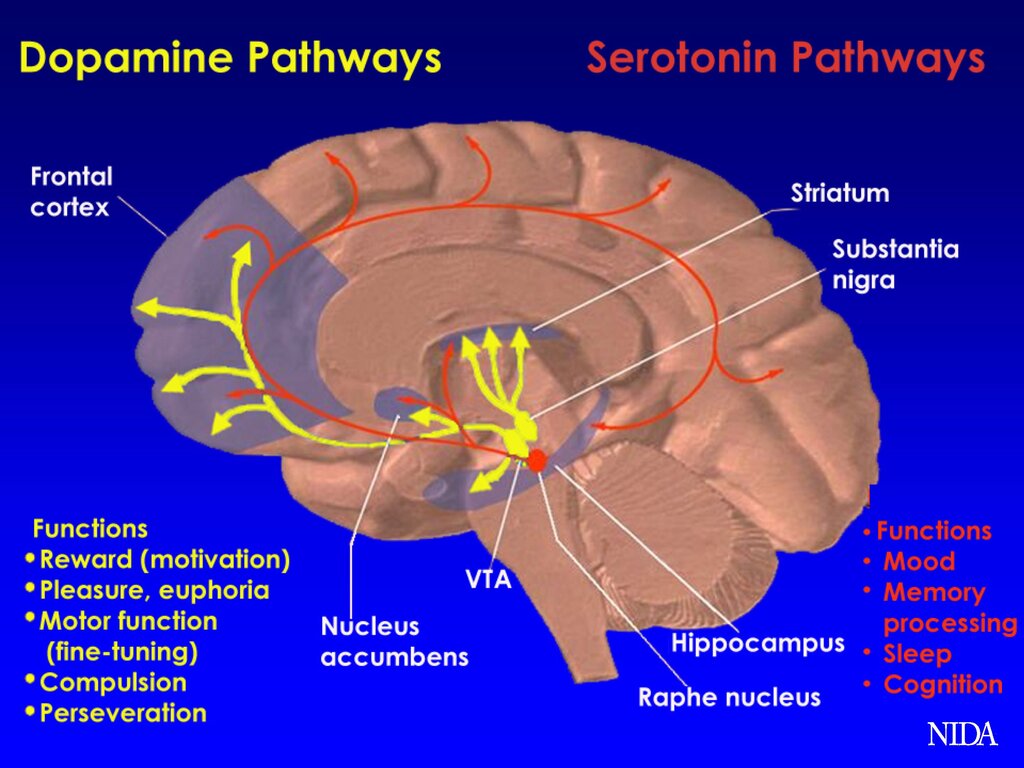
Dopamine is often called the “pleasure chemical,” but that’s not quite right. It’s more about anticipation and motivation. Dopamine surges when we expect a reward, driving us to seek it out. Gambling hijacks this system perfectly. The uncertainty of a potential win—the roll of the dice, the spin of the wheel—is incredibly effective at triggering a dopamine release. It's the thrill of what might happen that keeps us hooked, much more than the win itself.
Some research shows that compulsive gambling may be linked to dopamine release in the brain, similar to addiction to a substance.
Thinking Traps
Our brains are pattern-finding machines, but this tendency can lead us astray when dealing with random chance. Gamblers are particularly susceptible to certain cognitive distortions, or faulty ways of thinking, that make them believe they have more control than they do.
Gambler's Fallacy
noun
The mistaken belief that if a particular event has occurred more frequently than normal in the past, it is less likely to happen in the future (or vice versa).
Imagine you're flipping a coin. It lands on heads five times in a row. What do you bet on the next flip? Many people would feel a strong pull toward tails, thinking it’s “due.” But the coin has no memory. The odds for the sixth flip are exactly the same as they were for the first: 50/50. Each flip is an independent event, completely unaffected by what came before.
Another powerful mental trap is the near-miss effect. Think of a slot machine where the first two reels land on cherries, but the third stops just one position away. You didn't win, but it feels like you almost did. That feeling is surprisingly powerful.
Neurologically, the brain reacts to a near miss in a similar way it reacts to an actual win, releasing a small amount of dopamine. This makes a near miss more frustrating than a clear loss, but also far more motivating. It creates a powerful urge to try again, reinforcing the idea that a win is just around the corner.
A near miss doesn't feel like a failure. It feels like a sign that you should keep playing.
Feeling Lucky?
Our emotional state plays a huge role in the decision to gamble. It's not always a cold, calculated choice. Often, gambling is a way to change how we feel.
When we're happy or celebrating, gambling can seem like a fun way to heighten the excitement. The thrill of risk amplifies the good mood. On the other hand, people also gamble to escape negative feelings. Stress from work, boredom, or sadness can create a desire to check out, and the intense focus of gambling provides a temporary distraction.
This use of gambling to manage emotions is called coping. While it might offer short-term relief, relying on it can create a cycle where any strong emotion—good or bad—becomes a trigger to place a bet.
What is the primary role of dopamine in making gambling so compelling?
A roulette wheel has landed on black six times in a row. According to the Gambler's Fallacy, what is a gambler likely to believe about the next spin?
Understanding these psychological drivers is the first step in recognizing how gambling can take hold. It's not about being weak or foolish; it's about how our brains are wired to respond to risk, reward, and chance.