The Psychology of Gambling and Addiction
Introduction to Gambling Behavior
What is Gambling?
At its core, gambling is simple: you risk something of value on an event with an uncertain outcome, hoping to win something of greater value. This can take many forms, from buying a lottery ticket at the corner store to playing a high-stakes poker game in a casino. Other common examples include betting on sports, playing slot machines, or even making a friendly wager with a friend on the flip of a coin.
The key ingredients are always the same: a wager (the stake), an unpredictable event (the chance), and a potential reward (the prize). Whether it's a state-run lottery, an online betting app, or a casino floor, the fundamental principle remains.
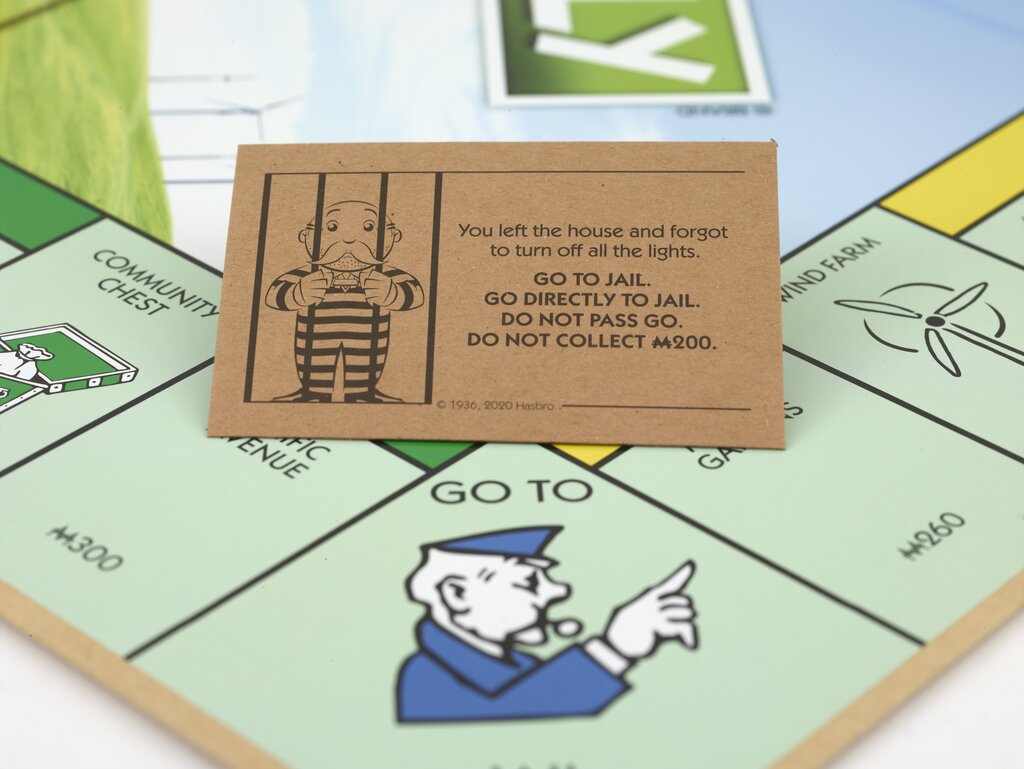
A Common Pastime
Gambling is woven into the fabric of many societies. It’s often presented as a form of entertainment, a leisurely activity, or even a way to support good causes through state lotteries. This widespread acceptance means millions of people gamble without any negative effects. They might buy a lottery ticket when the jackpot is high or enjoy a weekend trip to a casino with friends.
For these individuals, gambling is just another entertainment expense, similar to going to a movie or a concert. It's a fun diversion with clear limits. The social aspect is often a big part of the appeal—playing bingo with a community group or joining a fantasy sports league with coworkers.
Drawing the Line
So, when does a harmless pastime become a serious problem? The line between recreational gambling and problem gambling is defined by control and consequences. Recreational gamblers are in control of their behavior, while problem gamblers have lost that control.
| Recreational Gambler | Problem Gambler |
|---|---|
| Gambles for fun and entertainment. | Feels compelled to gamble. |
| Sets and sticks to money/time limits. | Gambles more than intended. |
| Expects to lose and accepts it. | Chases losses to win money back. |
| Balances gambling with other activities. | Neglects responsibilities for gambling. |
| Doesn't borrow money to gamble. | Borrows money or sells things to gamble. |
Problem gambling, also known as gambling disorder, isn't about being weak or irresponsible. It's a recognized behavioral addiction. The key difference isn't how much money someone loses or how often they gamble, but the negative impact that gambling has on their life and their inability to stop despite those consequences.
Because gambling has been fairly normalized both socially and commercially, it’s hard for people to identify when it has crossed the line of an addiction,
Recognizing these distinctions is the first step in understanding the behavior. For most, it's a recreational activity with built-in limits. For others, it becomes a compulsion that disrupts their life, finances, and relationships.
What are the three essential components that define a gambling activity?
The primary factor that distinguishes problem gambling from recreational gambling is the amount of money lost.