The Psychology of Gambling and Addiction
Introduction to Gambling Behavior
What is Gambling?
At its core, gambling is risking something of value—usually money—on an event with an uncertain outcome, hoping to win something of greater value. This simple act takes many forms, from the flashing lights of a casino slot machine to a casual lottery ticket purchase at a corner store.
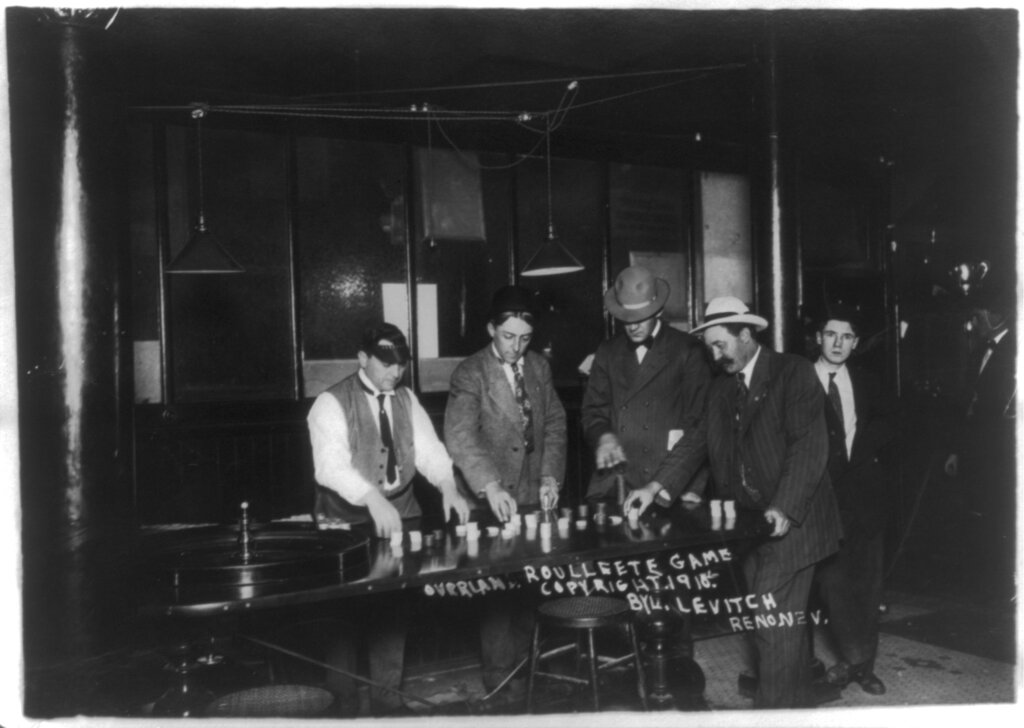
Gambling can be broadly categorized. Casino games like poker, blackjack, and roulette are popular. Lotteries and scratch cards offer a chance at large jackpots for a small price. Sports betting involves placing wagers on the outcomes of athletic events. More recently, online platforms have made all these forms accessible from anywhere with an internet connection.
A Timeless Bet
Gambling is not a modern invention. Evidence suggests that games of chance were played in ancient civilizations across the globe. Dice-like objects made from animal bones have been found in sites dating back thousands of years. From ancient Rome to imperial China, gambling has been a part of human society, serving as entertainment, a social activity, and sometimes, a controversial pastime.

Cultural attitudes toward gambling vary widely. In some societies, it's a heavily regulated and accepted part of the entertainment industry, like in Las Vegas or Monaco. In others, it is restricted or even forbidden due to moral, religious, or social concerns. These different perspectives shape how gambling is practiced and perceived around the world.
Just for Fun, or Something More?
For most people, gambling is a recreational activity—a fun way to spend a bit of money with no expectation of winning big. It's done for entertainment, with clear limits on time and money. This is known as recreational or social gambling.
The key to recreational gambling is treating it like any other entertainment expense. You might spend 💲20 on a movie ticket; a social gambler might spend 💲20 on lottery tickets for the week.
However, for a minority of individuals, gambling can become a serious issue. Problem gambling occurs when the activity disrupts a person's life. It's no longer about fun but about a compulsion that can harm finances, relationships, and well-being.
Problem Gambling
noun
Behavior characterized by difficulties in limiting money and/or time spent on gambling, which leads to adverse consequences for the gambler, others, or the community.
Understanding the difference is crucial. Here’s a simple breakdown:
| Feature | Recreational Gambling | Problem Gambling |
|---|---|---|
| Motive | Fun, entertainment, socializing | To escape problems, chase losses |
| Spending | Predetermined, affordable budget | Spends more than intended, borrows money |
| Control | Can stop at any time | Uncontrollable urge to continue |
| Outcome | Accepts losses as cost of fun | Becomes distressed or desperate after losing |
This distinction leads to the idea of responsible gambling. Responsible practices involve setting limits, gambling only with disposable income, understanding the odds, and knowing when to walk away. It’s about keeping the activity safe and enjoyable, preventing it from crossing the line into a problem.
Who Gambles?
Gambling is a widespread activity. Surveys in various countries show that a large percentage of the adult population has gambled at least once. The prevalence varies by type; lotteries are often the most common form, while casino gambling and sports betting are less frequent but still popular.
Because gambling has been fairly normalized both socially and commercially, it’s hard for people to identify when it has crossed the line of an addiction,
Demographics can play a role. Factors like age, gender, socioeconomic status, and cultural background can influence who gambles and how they do it. For instance, young adults may be more drawn to online betting and poker, while older adults might prefer lotteries or bingo. Recognizing these patterns helps in understanding the broader landscape of gambling behavior.
Now, let's test your understanding of these foundational concepts.
What is the fundamental definition of gambling?
According to the text, which of these is the most common form of gambling among the general adult population?
Grasping these basics—what gambling is, its history, and the crucial line between recreation and risk—provides a solid foundation for exploring the deeper psychology behind why people gamble.