The Psychology of Gambling
Introduction to Gambling Behavior
What is Gambling?
At its core, gambling is straightforward. It's the act of risking something of value—usually money—on an event with an uncertain outcome. The hope is to win something of greater value. This simple idea takes on countless forms.
Think of it as a transaction with chance. You pay for the possibility of a larger return, knowing you might get nothing back.
Gambling isn't limited to fancy casinos or horse tracks. It includes buying a lottery ticket at the corner store, placing a bet on a football game with a friend, playing bingo, or even participating in online fantasy sports leagues for cash prizes. It can be a formal, regulated activity or an informal wager between people.
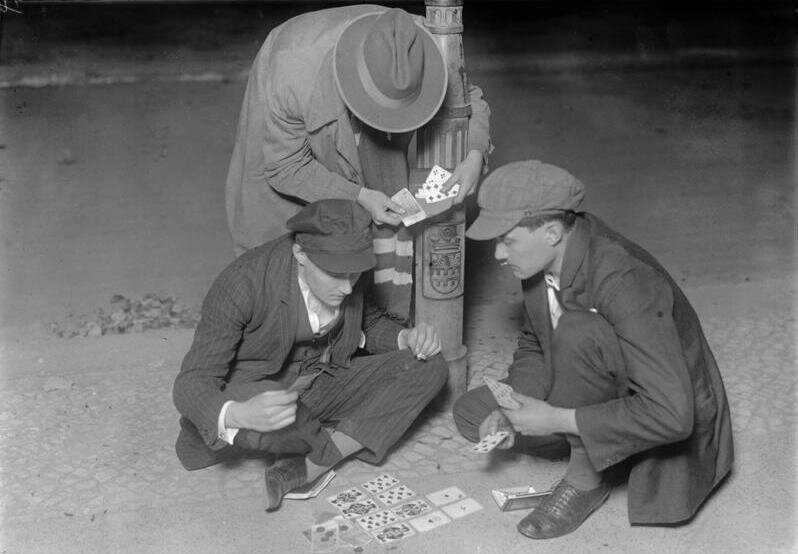
Why People Gamble
The reasons people gamble are as varied as the games they play. For many, it’s about the thrill. The suspense of the dice roll, the flip of a card, or the final seconds of a game creates a rush of excitement that's hard to replicate. It's a powerful feeling of anticipation and possibility.
Gambling is also a social activity. A regular poker night can be a way to bond with friends. A trip to a casino can be a fun group outing. In these settings, the game itself is secondary to the social connection and shared experience.

Of course, a primary motivation is the chance to win money. The dream of a life-changing jackpot or a big win is a powerful draw. This desire for financial gain can be a fun fantasy, but it’s also the motivation that can lead to trouble when expectations become unrealistic.
A Hobby or a Problem?
For the vast majority of people, gambling is a recreational activity, similar to spending money on a movie, a concert, or a nice dinner. It's a form of entertainment with a known cost. This is recreational gambling.
However, for some, the activity can cross a line and become problem gambling. This happens when gambling is no longer just a game but a compulsion that causes negative consequences. The key difference isn't how much money you spend or how often you play; it's the effect that gambling has on your life.
| Recreational Gambling | Problem Gambling |
|---|---|
| Done for fun and entertainment. | Done out of compulsion or to escape problems. |
| Set and stick to a money and time limit. | Lose track of time and money spent. |
| Accept losses as the cost of entertainment. | Chase losses, hoping to win back money. |
| Gambling doesn't interfere with life. | Gambling causes issues with work, school, or relationships. |
| Can stop playing when they want to. | Feel unable to control or stop gambling. |
Recognizing this distinction is crucial. When gambling stops being a choice and starts feeling like a need, it has shifted from a harmless pastime to a potential problem.
Time to check what you've learned.
What is the fundamental principle of gambling?
According to the text, which of the following is NOT a primary motivation for people to gamble?
Understanding the basics of gambling behavior is the first step toward making informed and healthy choices.