The Psychology of Die-Cast Car Collecting
Introduction to Collecting Psychology
The Collecting Impulse
At its heart, collecting is the act of gathering a series of related objects. It’s a purposeful activity, not just random hoarding. A pile of rocks isn't a collection, but a curated set of volcanic rocks from different continents is. This behavior is as old as civilization itself. Ancient rulers collected art and artifacts, while Renaissance scholars assembled “cabinets of curiosities” filled with natural wonders and man-made objects. These early collections were the seeds of modern museums.

Collecting is more than just accumulating things. It's about imposing order, creating meaning, and building a world that you control. Each new piece adds another layer to a story you are writing for yourself.
The Psychology Behind the Hobby
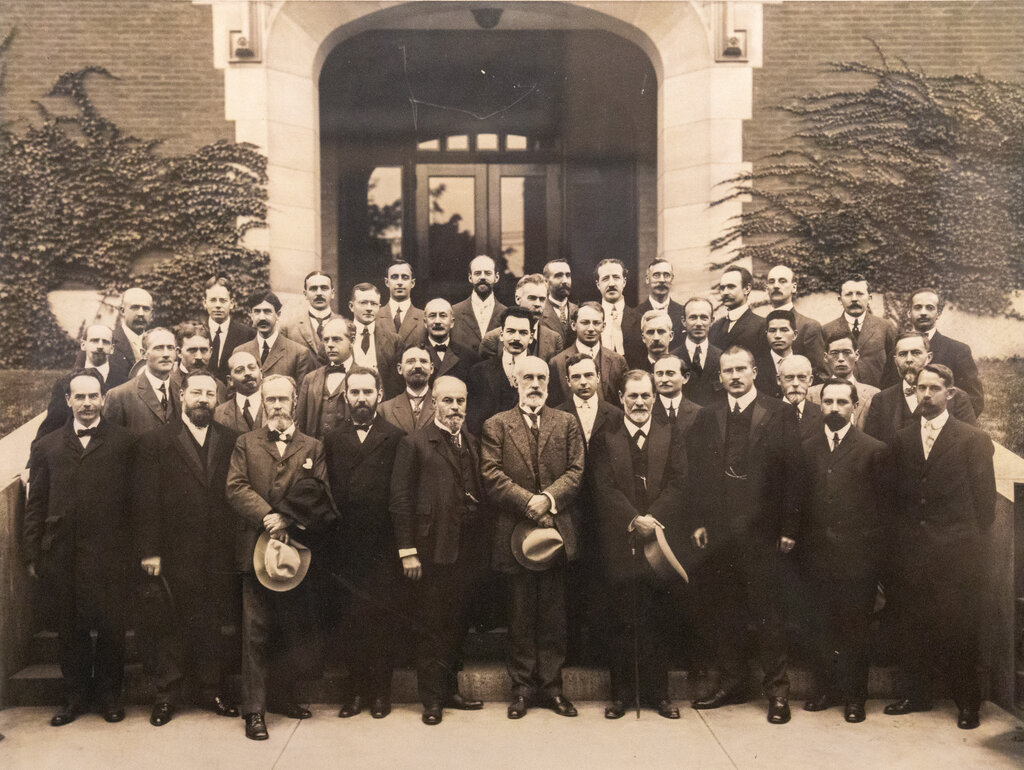
Why do people dedicate so much time, money, and space to their collections? The motivations are deeply psychological and vary from person to person. Early psychoanalytic theories, like those from Sigmund Freud, linked collecting to childhood development stages, suggesting it stemmed from unresolved issues. While that view is now largely outdated, it opened the door to exploring the deeper reasons for this common human behavior.
Modern psychology offers a broader perspective. For many, collecting satisfies cognitive needs. There's the thrill of the hunt—the search for a rare or missing item. There's also the satisfaction of completing a set, which brings a sense of closure and accomplishment. Learning about the history, variations, and details of the collected items provides an intellectual challenge and a sense of mastery over a specific domain.
A collection can be a tangible representation of knowledge, a physical library of one's expertise.
Emotionally, collecting can provide a sense of security and control in an unpredictable world. The collection is a stable, organized space that the collector curates and understands completely. It also plays a significant role in shaping our identity. What we choose to collect says something about who we are, our interests, and what we value. It connects us with a community of like-minded people, offering a sense of belonging.
The Pull of the Past
One of the most powerful drivers of collecting is nostalgia. Objects from our past can act as powerful anchors to memory, connecting us to cherished times, places, and people. A toy car might not just be a piece of metal and plastic; it can be a direct link to the feeling of a childhood birthday or a lazy afternoon spent on the living room floor.
Nostalgia
noun
A sentimental longing or wistful affection for a period in the past.
This connection isn't just a vague feeling. Psychologically, objects can trigger vivid autobiographical memories. For a collector, acquiring an item from their youth is a way of reclaiming a piece of their personal history. It’s a way to hold on to the past and the identity associated with it. This emotional resonance often transforms an ordinary object into a priceless treasure.
Let's review the key ideas we've covered.
Now, test your understanding of why people collect.
What is the primary factor that distinguishes a collection from a random pile of objects?
From a modern psychological perspective, collecting can satisfy cognitive needs such as the intellectual challenge of learning about items and the sense of accomplishment from completing a set.
Understanding these psychological drivers provides a foundation for exploring the specific world of any type of collecting.