The Psychology of Desire and Want
Introduction to Desire
What is Desire?
Desire is a powerful feeling of wanting something. It's a longing, a craving, or a strong wish for a particular outcome, person, or object. More than just a simple preference, desire is the engine that drives much of human behavior. It's the force that pushes us to pursue goals, form relationships, and shape our lives.
From the ambition that fuels a career to the simple yearning for a cup of coffee in the morning, desires are constantly at play. They motivate us to act, to change our circumstances, and to seek out experiences that bring us satisfaction or pleasure. Understanding desire is key to understanding why we do the things we do.
Two Sides of Desire
Desires aren't all the same. They can be broadly split into two categories: biological and psychological. Biological desires are rooted in our physical needs for survival. Think of the basics: hunger, thirst, and the need for sleep. These are hardwired into us.
Psychological desires, on the other hand, are shaped by our minds, experiences, and social environments. These are our wants rather than our needs. They include the desire for love, respect, achievement, or a new smartphone. While not essential for survival, these desires are central to our sense of well-being and identity.
| Type | Description | Examples |
|---|---|---|
| Biological | Rooted in physical survival needs. | Hunger, thirst, sleep, shelter |
| Psychological | Based on mental and emotional wants. | Love, success, recognition, travel |
How We Think About Desire
Psychologists have long been fascinated by what drives us. Early theories, like Sigmund Freud's, suggested that deep, unconscious desires, often stemming from primal urges, were the primary motivators of our actions.
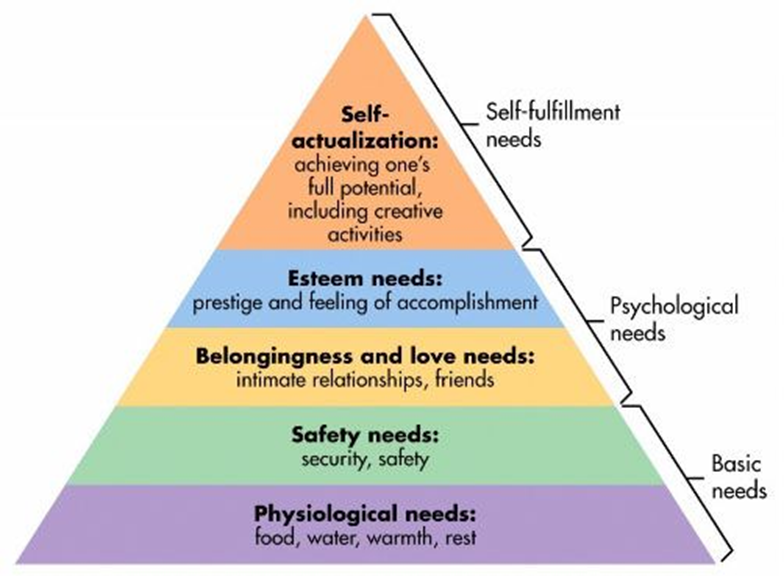
A more structured view comes from Abraham Maslow's Hierarchy of Needs. This model suggests that our desires are layered. We must first satisfy fundamental biological and safety needs before we can pursue higher-level psychological desires like belonging, esteem, and self-fulfillment. It's hard to worry about your creative potential when you're hungry.
But where do our specific desires come from? Why do you want a particular brand of shoes and not another? The philosopher René Girard offered a compelling idea called mimetic desire.
Girard argues that human desires are not autonomous but are copied from others, leading to triangular desire: the subject desires an object because another person (mediator) desires it (Yde, p. 89).
In simple terms, we learn to want things by watching others. We see a friend enjoying a new hobby, an influencer promoting a product, or a rival succeeding at a goal, and suddenly we desire it too. Our desires are often a reflection of the people around us. This social element is a powerful force in shaping what we want out of life, from our career choices to our consumer habits.
Desire is the starting point of all achievement, not a hope, not a wish, but a keen pulsating desire which transcends everything.
Ready to check your understanding?
What is the primary function of desire as described in the provided text?
According to the text, a desire for a specific brand of smartphone is best classified as which type of desire?
Ultimately, desire is the internal compass that guides our actions, pushing us toward what we value and believe will bring us happiness and fulfillment.