The Psychology of Design
Introduction to Design Psychology
What is Design Psychology?
Have you ever used a website that was so easy to navigate you didn’t even have to think about it? Or tried to use an app so confusing it made you want to throw your phone? The difference between these two experiences often comes down to design psychology.
Design psychology is the study of how our minds and behaviors are influenced by the designs around us. It's a field that blends psychology with design to understand why we react to certain colors, shapes, and layouts in particular ways. The goal is to create products, services, and spaces that aren't just functional, but also intuitive, enjoyable, and helpful for the people using them.
Think of it as the invisible logic behind good design. It helps designers answer questions like: Where should this button go so people will see it? What color will make this message feel more urgent? How can we present information so it doesn't overwhelm the user? By understanding the psychology of their audience, designers can create experiences that feel natural and work with the grain of human nature, not against it.
The Thinking User
A huge part of design psychology comes from cognitive psychology, which is the study of our mental processes—how we think, perceive, remember, and solve problems. When you interact with a design, your brain is doing a lot of work, and good design makes that work easier.
One key concept is cognitive load. This refers to the total amount of mental effort being used in your working memory. If a website is cluttered with too much text, confusing icons, and flashing ads, your cognitive load is high. You have to work hard just to figure out what's going on. A clean, simple design reduces cognitive load, allowing you to focus on your task without getting mentally tired.
Good design doesn't make users think unnecessarily. It anticipates their needs and presents information in a clear, digestible way.
Designers also use psychological principles to guide your attention. Our brains are wired to notice things that stand out. Designers create a visual hierarchy using tools like size, color, and placement to direct your eyes to the most important elements on a page. A large, brightly colored "Sign Up" button is no accident; it's designed to grab your focus.
Finally, designers must consider the limits of human memory. We are much better at recognizing things we've seen before than recalling them from scratch. This is why a menu with clear options (recognition) is far easier to use than a command-line interface where you have to remember specific commands (recall).
Designing for Feelings
We're not just thinking machines; we are emotional beings. How a design makes us feel can be just as important as how well it works. A banking app that feels secure and trustworthy will be more successful than one that looks sloppy, even if they both perform the same functions. This is where emotional design comes in.
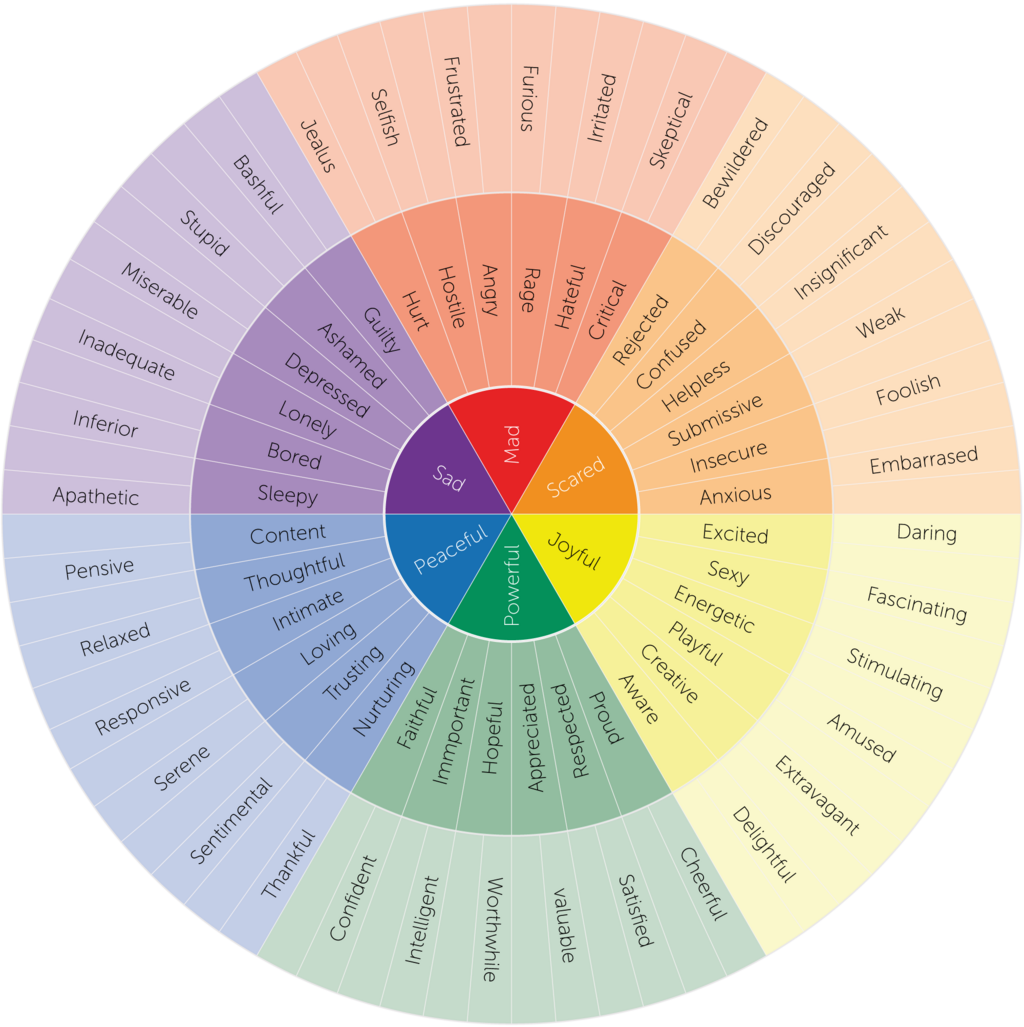
Emotional responses to design happen on a few levels:
-
Visceral: This is your gut reaction. It's the immediate, unconscious feeling you get from a product's appearance. A sleek, modern coffee maker might appeal to you on a visceral level before you even know what it does.
-
Behavioral: This is about how a product feels to use. Is it easy and effective? A design that works seamlessly and gives you a sense of control creates positive behavioral emotions.
-
Reflective: This is the conscious, high-level feeling about a product. It's about how it fits into your life story and self-image. Owning a beautifully designed, eco-friendly water bottle might make you feel good about yourself and your values.
By considering all three levels, designers can create a more holistic and satisfying user experience.
Putting the User First
Ultimately, the insights from psychology all point to one core idea: user-centered design. This is an approach that places the user's needs, wants, and limitations at the center of the entire design process. Instead of building a product and hoping people will like it, designers start by deeply understanding their audience.
Start with user-centered design—understand who you’re designing for and what problems you’re solving.
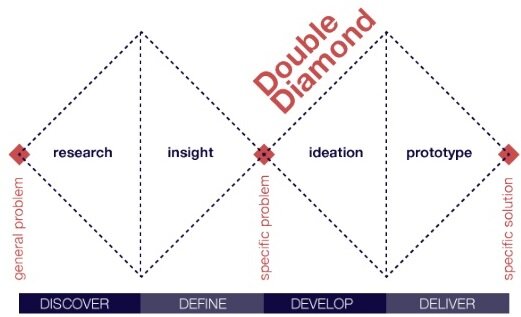
User-centered design involves a cycle of research, brainstorming, prototyping, and testing. Designers might conduct interviews, create user personas (fictional characters representing their target audience), and build simple models to get feedback early and often. The goal is to create a final product that is not just aesthetically pleasing or technologically advanced, but truly useful and usable for real people.
This focus on empathy is what makes design psychology so powerful. It's about seeing the world through other people's eyes to create things that genuinely improve their lives, one interaction at a time.
What is the primary goal of applying design psychology?
A website's homepage has a single, large, brightly colored 'Sign Up' button in the center of the page, while all other links are smaller and gray. This is an example of using design principles to manage the user's...