The Psychology of Carl Jung
Introduction to Analytical Psychology
A Different Map of the Mind
When we talk about the great explorers of the human mind, Sigmund Freud often comes first. But one of his most brilliant students, Carl Jung, charted his own course. Jung developed a new school of thought called analytical psychology. Instead of focusing primarily on repressed desires and early childhood experiences, Jung was interested in the whole person. He believed our main goal in life is to find balance between our conscious and unconscious selves.
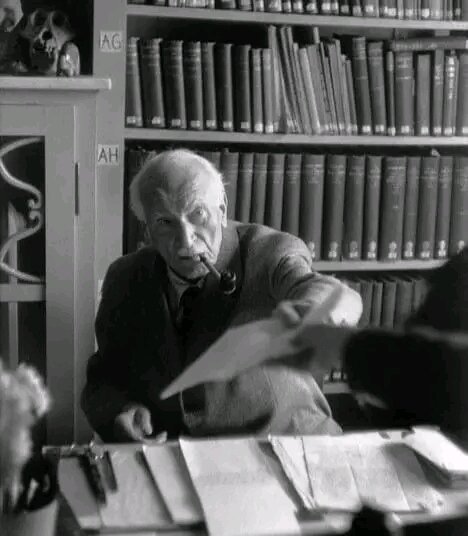
Jung saw the psyche, or the total mind, as a self-regulating system, much like the body. His approach was less about curing a sickness and more about helping a person become more whole and complete.
The Known and Unknown
Jung divided the psyche into two main parts: the conscious and the unconscious. The conscious mind is everything you are aware of right now. It's your sense of identity, your memories you can easily recall, and the thoughts you actively think. Jung called the center of this conscious world the Ego. The Ego is like the captain of your ship. It helps you navigate daily life, make decisions, and establish a stable sense of self.
The Ego is the center of our consciousness. It’s the part of us that says “I am” and organizes our thoughts and feelings.
But beneath the surface lies the vast unconscious. Jung split this into two layers. The first is the personal unconscious. Think of it as a storage locker for your own life. It holds everything you've forgotten, things you've repressed because they were unpleasant, and perceptions that weren't strong enough to make it into your conscious awareness. It's unique to you, built from your own experiences.
For example, you might have a vague dislike for a certain song without knowing why. Your personal unconscious might hold the memory of hearing that song during a difficult childhood moment. The memory isn't conscious, but the feeling attached to it still bubbles up.
Breaking with Freud
Jung and Freud were once close colleagues, but their views on the unconscious drove them apart. Their disagreement wasn't just a small academic squabble; it represented a fundamental split in how to view the human mind.
| Feature | Sigmund Freud's View | Carl Jung's View |
|---|---|---|
| The Unconscious | Primarily a storehouse of repressed sexual desires and aggressive urges. A source of conflict. | A source of creativity, wisdom, and potential. Holds more than just repressed material. |
| Libido | Defined narrowly as sexual energy, the primary driver of personality. | A broader concept of general life energy that could be directed toward many kinds of activities, not just sex. |
| Therapy's Goal | To uncover repressed conflicts from the past to resolve neurosis. | To create a dialogue between the conscious and unconscious parts of the mind to achieve wholeness. |
Freud saw the unconscious as a cellar where we lock away our monstrous thoughts and unacceptable impulses. The goal was to keep the door shut and manage the chaos. Jung, however, saw the unconscious as a wellspring of potential. He believed it contained not only our personal forgotten bits but also the keys to our growth and creativity. For Jung, the goal wasn't to tame the unconscious, but to listen to it and integrate its wisdom into our conscious lives.
Theories of mentality like Freud and Jung help explain how unconscious processes influence behavior and mental life.
This difference in perspective is the foundation of analytical psychology. It frames the psyche not as a battlefield of warring instincts, but as a dynamic landscape striving for balance.