The Psychology of Buying
Introduction to Consumer Behavior
Why People Buy
Every day, we make choices. Coffee or tea? A new pair of sneakers or save the money? These decisions, big and small, are the subject of consumer behavior. It’s the study of how individuals, groups, and organizations select, buy, use, and dispose of goods, services, ideas, or experiences to satisfy their needs and wants.
Think of it as the story behind every purchase, from a pack of gum to a new car.
It explores not just what people buy, but why, when, where, and how often they buy it. Understanding this story is crucial for any business that wants to connect with its customers.
The Business of Understanding
Why do companies spend so much time and money trying to figure out what makes us tick? Because understanding consumer behavior is the foundation of effective marketing. When a business knows its audience, it can create products that people actually want and craft messages that resonate on a personal level.
Instead of shouting into the void, marketers can have a meaningful conversation with potential customers. This knowledge helps them answer key questions: Who are our most valuable customers? What do they need? Where can we reach them? How do we earn their loyalty?
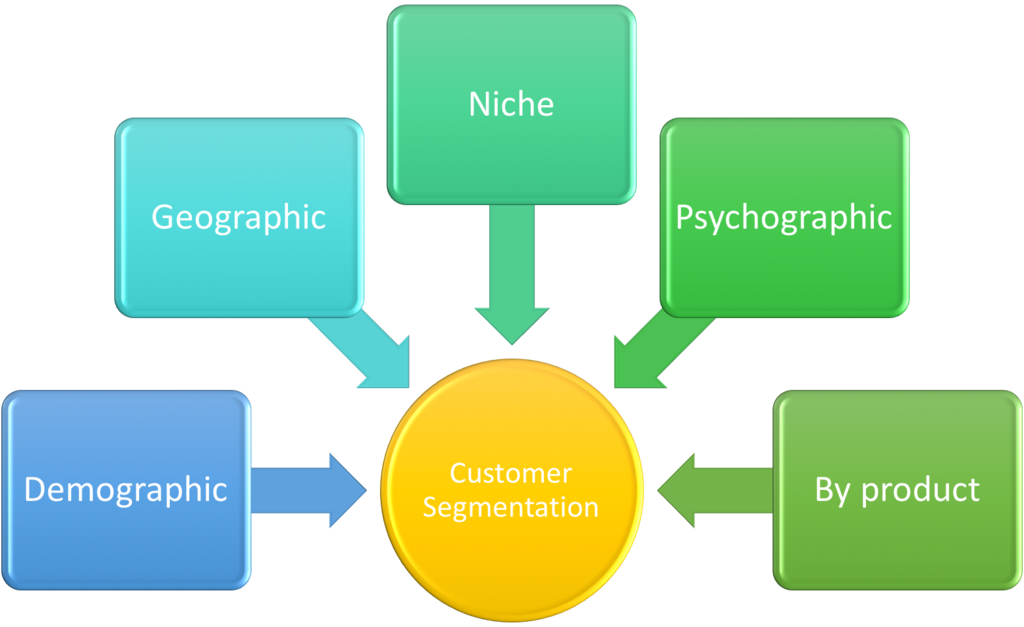
By analyzing how consumers act, companies can segment their market, targeting specific groups with tailored strategies. This leads to more successful product launches, better customer service, and marketing that feels helpful rather than intrusive.
The Influencers Behind Our Choices
Our buying decisions don't happen in a vacuum. They are shaped by a complex mix of internal and external factors. We can group these influences into four main categories.
Meanwhile, psychological factors, such as motivation, perception and affect also run through consumer decisions.
Psychological Factors: These are the internal drivers of our behavior. They include our motivations (why we need something), our perceptions (how we interpret the world around us), our beliefs, and our attitudes.
Social Factors: We are social creatures, and our decisions are often influenced by the people around us. This includes family, friends, colleagues, and social groups. The desire to fit in or stand out plays a big role.
Cultural Factors: This is the broadest influence. Culture is the set of basic values, perceptions, wants, and behaviors learned from family and other important institutions. It includes everything from national customs to the norms of a smaller subculture, like fans of a specific music genre.
Economic Factors: Our financial situation directly impacts our purchasing power and behavior. Key economic factors include personal income, savings, credit availability, and general economic conditions like a recession or a boom.
| Factor | Description | Example |
|---|---|---|
| Psychological | Internal influences on the mind. | Buying a gym membership to feel healthier (motivation). |
| Social | Influence from groups and people. | Choosing a phone brand because your friends have it. |
| Cultural | Shared values and beliefs of a society. | Eating turkey for Thanksgiving in the United States. |
| Economic | A person's financial situation. | Opting for a store brand over a premium brand to save money. |
These factors all interact, creating the unique tapestry of each consumer's decision-making process. Now, let's test what you've learned.
Consumer behavior is the study of how individuals, groups, and organizations select, buy, use, and dispose of goods and services to satisfy their needs and wants.
A marketing team that segments its audience based on shared values and national customs is primarily focusing on which type of influential factor?
By grasping these fundamentals, you can begin to see the hidden forces that guide choices in the marketplace.