The Progressive Era Reforms
Introduction to the Progressive Era
A Nation in Flux
The late 19th century was a time of breathtaking change in the United States. Factories churned out steel, railroads crisscrossed the continent, and cities swelled with new arrivals from rural America and countries around the world. This period, often called the Gilded Age, looked shiny on the surface. But underneath the glitter, deep-seated problems were festering.
Rapid industrialization created immense wealth, but it was concentrated in the hands of a few powerful industrialists. Giant corporations, known as trusts, dominated entire industries, crushing competition and keeping wages low. For the millions of workers fueling this growth, life was often bleak. They worked long hours in dangerous factories for meager pay.
Cities grew faster than they could be managed. Families were crammed into squalid tenement buildings with poor sanitation, leading to the rapid spread of disease. To make ends meet, many children were forced to work in hazardous conditions instead of attending school.
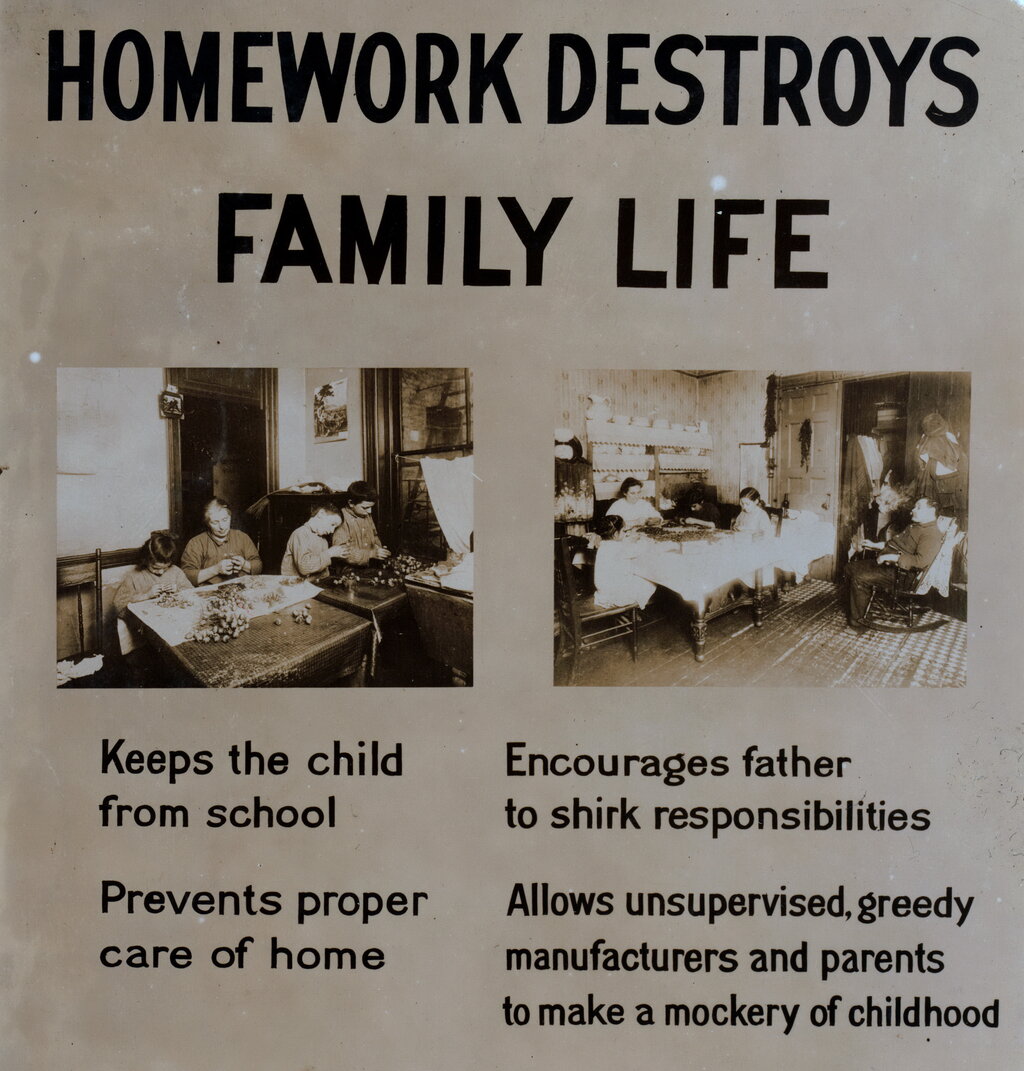
Meanwhile, politics was often controlled by corrupt political "machines." These organizations used bribery and patronage to stay in power, serving the interests of corporations rather than the public. It seemed to many that the promise of American democracy was slipping away.
The Progressive Response
In response to these crises, a powerful reform movement emerged. Known as the Progressive Era, this period from the 1890s to the 1920s was defined by a shared belief that society's problems could be solved through collective action and government intervention. The movement was incredibly diverse, including journalists, activists, politicians, and everyday citizens from all walks of life.
Progressivism
noun
A political philosophy and social reform movement advocating for improvement in society through government action.
Progressives didn't have a single, unified plan, but they were united by several core goals aimed at fixing the flaws of the Gilded Age.
The central belief of the Progressive movement was that the government had a responsibility to protect its citizens and promote the public good, a direct challenge to the hands-off approach that had dominated the previous era.
Three Key Goals
The movement’s objectives can be broken down into three broad categories.
| Goal | Focus | Examples of Problems Addressed |
|---|---|---|
| Limit Corporate Power | Economic Reform | Trusts and monopolies stifling competition, unfair labor practices, consumer exploitation. |
| Improve Social Welfare | Social Justice | Unsafe working conditions, child labor, urban poverty, poor public health. |
| Expand Democracy | Political Reform | Corruption in city and state governments, political bosses, lack of citizen voice. |
To achieve these goals, Progressives used a variety of tactics. Investigative journalists, nicknamed "muckrakers," published shocking articles and books that exposed corruption and social ills. Activists organized boycotts and protests to demand change. And reform-minded politicians worked to pass new laws at the local, state, and federal levels.
This era marked a fundamental shift in how Americans viewed the role of government. Progressives argued that an unregulated, industrialized society created too many victims. They believed that a more active government was needed to ensure safety, fairness, and opportunity for all. Their efforts laid the groundwork for many of the protections and services Americans expect from their government today.
Which term was used for investigative journalists who exposed corruption and social problems during the Progressive Era?
The Gilded Age was characterized by a massive concentration of wealth in the hands of a few industrialists, while many workers lived in poverty.