The Power of Your Vote
Foundations of Democracy
What is Democracy?
At its heart, democracy is a simple idea: the people rule. The word itself comes from two Greek words: demos, meaning “people,” and kratos, meaning “power” or “rule.” In a democracy, the ultimate authority belongs to the citizens, not to a king, a dictator, or a small group of elites.
Democracy
noun
A system of government by the whole population or all the eligible members of a state, typically through elected representatives.
Of course, it’s not practical for millions of people to vote on every single law. That’s why most modern democracies are representative. We elect officials—mayors, governors, presidents, and legislators—to represent our interests and make decisions on our behalf. Think of it like a very large club. Instead of everyone shouting out ideas at once, you elect a committee to handle the day-to-day business. But crucially, you can vote that committee out if they do a poor job.
The alternative is direct democracy, where citizens vote on policies directly. This is rarer today but still exists in some places, like Switzerland, and for specific issues through ballot initiatives or referendums.
The Citizen's Role
In a democracy, citizenship is an active role. The system relies on people participating. This participation is how the “will of the people” gets translated into government action. It's not just about casting a ballot every few years; it's about being an engaged and informed member of society.
Participation takes many forms. It can mean reading the news to stay informed about important issues, discussing politics with friends and neighbors, or volunteering for a cause you believe in. It can also be more direct, like attending a town hall meeting to voice your opinion, contacting your elected representative, or even running for office yourself. Each of these actions is a way of contributing to the democratic process.
Voting is the most fundamental act of citizen participation. It is the primary way we choose our leaders and hold them accountable for their actions.
Rights and Freedoms
A true democracy is more than just majority rule. If 51% of the population could vote to take away the rights of the other 49%, that wouldn’t be a free society—it would be a tyranny of the majority. To prevent this, democracies are built on a foundation of individual rights and freedoms that protect everyone, regardless of who is in power.
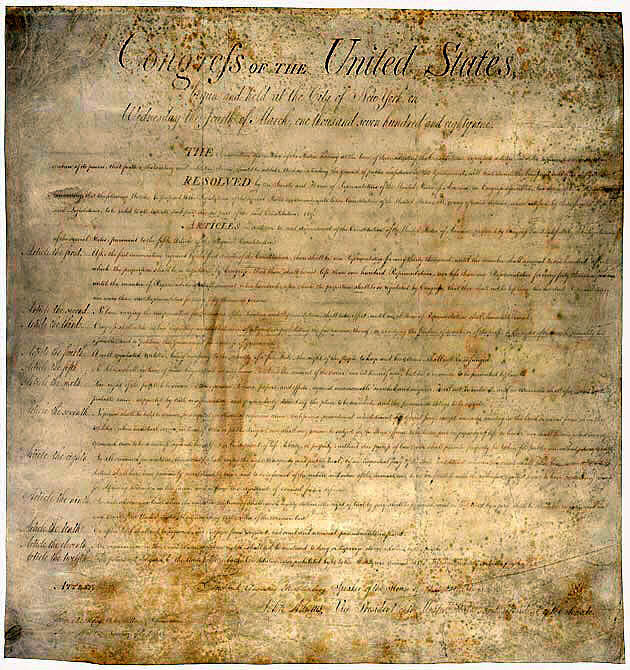
These rights are often enshrined in a constitution or a bill of rights. They typically include:
- Freedom of Speech: The right to express your opinions without fear of government censorship or punishment.
- Freedom of the Press: The right for journalists and media organizations to report on events and criticize the government.
- Freedom of Assembly: The right to gather in peaceful groups and protests.
- Equality before the Law: The principle that all citizens are subject to the same laws and treated equally by the legal system.
These freedoms create a marketplace of ideas where different viewpoints can be debated openly. They ensure that citizens can criticize their government and advocate for change, which is essential for keeping leaders accountable.
Making Your Voice Heard
So how do all these pieces fit together? The principles of democracy, citizen participation, and individual rights combine to create several channels for you to influence your government. These are the mechanisms that make democracy work.
| Mechanism | How It Works | Primary Purpose |
|---|---|---|
| Elections | Citizens vote to choose their representatives. | Sets the broad direction of government and ensures accountability. |
| Petitions & Initiatives | Citizens collect signatures to propose laws or express support for a cause. | Raises awareness and can force a public vote on a specific issue. |
| Public Forums | Government bodies hold meetings open to the public for comment. | Allows direct feedback on proposed regulations or local projects. |
| Contacting Officials | Citizens write, call, or meet with their elected representatives. | Expresses personal views and influences how an official votes on laws. |
| Peaceful Protests | Groups gather publicly to support or oppose an issue. | Demonstrates widespread public opinion and puts pressure on leaders. |
Each of these mechanisms provides a different way to participate in governance. By using them, citizens ensure that the government remains responsive to the people it serves. This ongoing conversation between the public and its leaders is the lifeblood of a healthy democracy.
What is the fundamental principle of a democracy?
In a large country, it is impractical for every citizen to vote on every single law. What system do most modern democracies use to solve this problem?